Climbing demands a blend of technique, strength, mental focus, and structured training. The books below are widely recommended for climbers seeking a clearer path to improvement, whether you’re a seasoned sport climber or a dedicated boulderer. This article highlights five authoritative titles that cover methodical training plans, practical exercises, and performance-enhancing strategies. Use them to tailor workouts, refine skills, and track progress over time.
| Title | Author / Authors | Amazon Link |
|---|---|---|
| Training for Climbing (How To Climb Series) | Eric Horst (Author) | View |
| Training for Climbing: The Definitive Guide To Improving Your Performance (How To Climb Series) | Eric Horst (Author) | View |
| The Climbing Bible: Technical, physical and mental training for rock climbing | Martin Mobråten (Author), Stian Christophersen (Author), Bjørn Sætnan (Translator) | View |
| Beastmaking: A fingers-first approach to becoming a better climber | Ned Feehally (Author), Shauna Coxsey (Foreword) | View |
| The Climbing Bible: Practical Exercises: Technique and strength training for climbing | Martin Mobråten (Author), Stian Christophersen (Author), Bjørn Sætnan (Translator) | View |
Training For Climbing (How To Climb Series)

This title by Eric Horst presents a systematic approach to climbing training, focusing on building a balanced program that integrates strength, endurance, technique, and recovery. The book emphasizes setting realistic goals, planning periodized workouts, and tailoring workouts to climbing goals such as redpointing routes or completing projects. Readers benefit from practical workout templates, annotated training cycles, and guidance on injury prevention. The content is applicable to various climbing disciplines, including sport and traditional routes. The examples illustrate how to progress safely while maintaining consistency in training cycles.
Training for Climbing: The Definitive Guide To Improving Your Performance
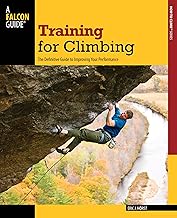
Eric Horst’s expanded edition is designed to help climbers optimize performance through evidence-based training, technique drills, and performance testing. It covers periodization, power endurance, cadence, and mobility strategies with clear progression plans. The book also includes assessment tools to benchmark strength, endurance, and skill levels, enabling climbers to tailor routines to individual needs. This resource is valued for its practical checklists, real-world examples, and emphasis on sustainable training habits for long-term gains.
The Climbing Bible: Technical, physical and mental training for rock climbing

This comprehensive guide covers the full spectrum of climbing training, including technique refinement, physical conditioning, and mental strategies. The authors present a holistic framework that blends movement efficiency with strength and mobility work, supported by practical drills. Readers can apply the concepts to bouldering and sport routes alike, with a focus on building consistency and reducing the risk of injury through structured practice and deliberate progression.
Beastmaking: A fingers-first approach to becoming a better climber

Beastmaking focuses on a fingers-first training philosophy to maximize grip strength and climbing performance. The book emphasizes thoughtful loading of finger strength, joint hygiene, and progressive challenge to prevent overuse injuries. Foreword by Shauna Coxsey adds credibility within the climbing community. Practical sections guide readers through specific finger strengthening routines, hangboard protocols, and calculation of training stress. This resource is particularly valuable for climbers aiming to improve hold-specific power and contact strength for hard routes.
The Climbing Bible: Practical Exercises: Technique and strength training for climbing

This edition focuses on technique-driven physical training and targeted strength work for climbers. It outlines practical drills that address body positioning, footwork, core stability, and antagonist conditioning. The book translates coaching principles into accessible workouts suitable for gym sessions and outdoor climbing alike. It also includes progress tracking tips, helping climbers quantify improvements in strength, endurance, and efficiency on the wall.
Buying Guide: Key Considerations for Climbing Training Books
- Focus and scope: Determine whether you need a general training framework, technique-heavy drills, or finger-strength specific guidance. Some books balance all aspects, others target niche areas like finger strength or mental training.
- Experience level: Check whether the book’s advice matches your climbing experience, such as beginner-friendly progressions or advanced periodization for seasoned climbers.
- Training philosophy: Some authors emphasize periodization and scientific approaches; others offer practical, hands-on drills. Choose a style that aligns with your goals and preferences.
- Injury prevention: Look for sections on warm-ups, mobility, and injury avoidance to sustain long-term climbing activity.
- Progress tracking: Books with assessment tools, checklists, or workout templates help monitor progress and adjust plans.
- Supplementary materials: Consider whether the book provides digital resources, exercise diagrams, or video references that enhance understanding.
- Author credibility: Established climber-coaches or well-known athletes can lend reliability, but vetted, peer-reviewed content remains important.
- Format and accessibility: Some titles present dense text, others use concise bullet drills. Choose a format you’ll consistently reference during workouts.
- Portability: For climbers who travel or gym-train, compact editions or durable formats can be advantageous.
- Language and clarity: Clear explanations with practical examples support effective implementation in training plans.