Starting a Swahili learning journey is easier with well-structured beginner books. This guide highlights five approachable titles that cover speaking, understanding, vocabulary building, and cultural context. Each pick is designed for beginners and offers clear explanations, practical phrases, and engaging reading material to build confidence fast. Explore options ranging from fast, beginner-friendly guides to bilingual resources and story-based learning favorites. Below is a quick overview of the selected titles to help you compare at a glance.
| Book Title | Author / Brand | Format | Why It Works For Beginners |
|---|---|---|---|
| Learn Swahili for Beginners: A Fast, Beginner-Friendly Guide to Speaking and Understanding Swahili | World Voice Bridge (Author), George Nganga (Contributor) | Guide | Concise, practical phrases; emphasis on speaking and comprehension for quick progress. |
| Swahili For Dummies | Seline Okeno (Author), Asmaha Heddi (Author) | Guide | Beginner-structured chapters; clear explanations and common usage examples. |
| Beginner Level Swahili Storybook (A1 & A2): Learn Swahili with 25 Fairytale Stories | Goma S. (Author) | Storybook | Story-based learning; reinforces basics through engaging narratives. |
| Learn Swahili for Beginners, My First 1000 Words: Bilingual Swahili – English Language Learning Book for Kids & Adults | Effie Delarosa (Author) | Bilingual | Vocabulary building with clear English equivalents for quick recall. |
| 69 Short Swahili Stories for Beginners: Dive Into Swahili Culture, Expand Your Vocabulary, and Master Basics the Fun Way! | Adrian Gee (Author) | Storybook | Cultural context and bite-sized stories to expand vocabulary in context. |
Learn Swahili for Beginners: A Fast Guide

This title targets new learners who want quick progress in speaking and understanding Swahili. The author team combines concise explanations with practical phrases suitable for daily conversations, travel, and basic reading. The structure prioritizes essential grammar, pronunciation, and real-world usage to build confidence in beginners. The book’s approachable tone makes it a strong first pick for people who want fast results without getting overwhelmed by complex rules.
Swahili For Dummies

Swahili For Dummies offers a structured approach tailored to beginners, with approachable sections on pronunciation, basic grammar, and practical phrases. The book emphasizes everyday situations—greetings, transport, shopping, and dining—helping readers build usable language skills quickly. It also supports learners who prefer a clear, step-by-step progression and a reference-style format for revisiting key concepts as needed.
Beginner Level Swahili Storybook (A1 & A2)

This storybook uses 25 fairytale stories to reinforce basic Swahili structures and vocabulary. The A1-A2 level makes it ideal for learners who prefer reading practice that blends storytelling with language acquisition. Short narratives help learners recognize common phrases, basic sentence patterns, and cultural references in a low-pressure format, supporting steady vocabulary growth and reading confidence.
Learn Swahili for Beginners, My First 1000 Words
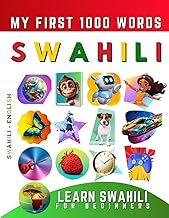
This bilingual title focuses on building a first 1000-word foundation with clear Swahili-English mappings. It’s suitable for kids and adults who prefer a bilingual approach, enabling quick word recognition and practical usage in everyday contexts. The visual cues and word lists support memory retention and gradual phrase construction for beginners.
69 Short Swahili Stories for Beginners

Designed for beginners who enjoy bite-sized reading, this collection combines cultural insights with vocabulary expansion. Each short story provides context for common words and phrases, helping learners see language in action. The steady progression from simple to slightly more complex sentences makes it a practical companion for daily practice and consistent study habits.
Buying Guide: Key Purchase Considerations For Swahili Beginners
- Learning style compatibility: Choose between quick-start guides, bilingual books, or story-based approaches based on whether you prefer direct instructions, comprehension through context, or vocabulary in meaningful narratives.
- Foundational coverage: Look for titles that emphasize pronunciation, common phrases, essential grammar, and real-life conversations to build practical speaking skills early on.
- Vocabulary focus: Bilingual or picture-enhanced books can accelerate word recognition and recall. Story-based books reinforce memory through context and repetition.
- Progression and pacing: Start with A1-A2 level materials or short stories to avoid overwhelm. Gradually increase complexity as confidence grows.
- Cultural context: Some titles include cultural notes and real-life scenarios, which support comprehension and conversational appropriateness in different settings.
- Supplemental resources: Consider pairing a primary workbook with a dictionary or mobile app to reinforce learning and provide additional practice outside the pages.
- Audience: Consider whether the book is suitable for kids, adults, or both. Some bilingual titles are especially helpful for adult beginners who favor direct translations.
- Format and readability: Visual aids, clear typography, and well-organized chapters help maintain focus and reduce cognitive load during study sessions.
Choosing the right Swahili beginner book depends on your goals, preferred learning style, and daily schedule. The titles listed above offer a spectrum of approaches—from rapid conversational guides to immersive storytelling—allowing you to assemble a learning strategy that fits your routine and keeps motivation high. Regardless of the route you pick, consistent practice and exposure are key to steady progress in the early stages of language learning.