Finding reliable sight word books for kindergarten helps young readers recognize common words quickly, supporting independent reading and confidence. The following selections focus on beginner-friendly stories, engaging phonics activities, and proven methods to reinforce high-frequency words. Each entry includes core features to help families choose titles that align with early reading goals and classroom practice.
| Product | Brand | What It Offers |
|---|---|---|
| Scholastic Sight Word Readers, Set of 25 | Scholastic (Author) | 25 leveled readers focused on high-frequency words; beginner-friendly stories; classroom-ready and home-use material. |
| Learn to Read: Sight Words Storybook | Kimberly Ann Kiedrowski (Author) | 25 simple stories with accompanying activities to reinforce sight-word recognition and reading practice. |
| First Little Readers Parent Pack: Guided Reading Level A | Liza Charlesworth (Author), Deborah Schecter (Author) | 25 beginner books with guided reading support to build confidence and routine reading at home. |
| Pete the Cat 12-Book Phonics Fun! | James Dean (Author, Illustrator), Kimberly Dean (Author) | Boxed mini-books emphasizing short and long vowel sounds within engaging stories. |
| Bob Books – Set 1: Beginning Readers Box Set | Bobby Lynn Maslen (Author), Amy Jindra (Illustrator), Karen Wall (Illustrator) | Stage 1 readers focusing on early phonics and sight words for kindergarten readiness. |
Scholastic Sight Word Readers, Set of 25

This set focuses on high-frequency sight words through 25 leveled readers designed for beginning readers. The books progress in difficulty to help students steadily build word recognition and fluency. Each title features simple sentences, predictable text, and supportive illustrations that reinforce meaning while emphasizing core sight words. Ideal for classroom centers or daily home practice, these readers help establish a reliable reading routine and early confidence.
Learn to Read: Sight Words Storybook

This book offers 25 simple stories paired with activities designed to reinforce sight-word recognition for beginner readers. The format blends reading with hands-on practice, helping kids connect words to meaning through engaging tasks. The targeted approach supports early literacy goals by combining decodable text with word-family patterns, making it a practical addition to phonics-focused instruction at home or in small-group settings.
First Little Readers Parent Pack: Guided Reading Level A

This parent pack includes 25 irresistible books matched to Guided Reading Level A, designed for beginning readers. The titles build foundational skills, including word recognition, sentence structure, and storytelling comprehension. Optional guidance for caregivers supports consistent reading routines, which enhances students’ familiarity with common sight words and overall fluency over time.
Pete the Cat 12-Book Phonics Fun!

Pete the Cat Phonics Fun collects 12 mini-books focusing on short and long vowel sounds, paired with playful stories. While emphasizing phonics, the titles also promote sight-word exposure through simple sentences and repetitive text. The box format makes it easy to organize practice sessions, enabling teachers and parents to allocate targeted phonics drills alongside sight-word activities for a balanced early-reading program.
Bob Books – Set 1: Beginning Readers Box Set
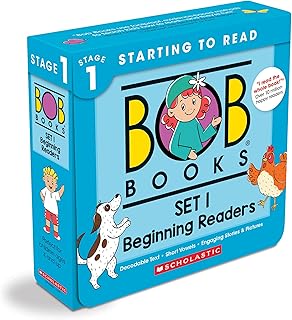
Bob Books Set 1 offers a Box Set of beginning readers focused on phonics and early word recognition. The short, controlled text helps new readers practice decoding and sight-word recognition in manageable chunks. With clear illustrations and simple sentence structures, these books promote a positive reading experience that reinforces progress with steady repetition and incremental challenges.
Buying Guide
When selecting sight word books for kindergarten, consider word-spotting goals, reading level alignment, and engagement factors. Look for titles with repetitive sentence structures, predictable patterns, and high-frequency words that recur across pages. Visual supports—such as illustrations, word banks, and highlighted sight words—aid memory and decoding. Box sets or packs can provide consistency across a learning week, enabling teachers and parents to create balanced routines that mix phonics, word recognition, and comprehension activities.
Accessibility matters. Choose books with printed text that is easy to read, ample spacing, and clear fonts suitable for beginner readers. Consider the pacing of the stories: shorter excerpts build confidence, while gradually longer passages introduce more complex sentence structures without overwhelming students. Finally, pairing these books with guided reading or small-group instruction can optimize outcomes by providing targeted feedback and ongoing modeling of sight words in context.
Platform considerations also influence choices. For homeschool settings or hands-on practice, a mix of tangible print books and digital activities can reinforce learning. Incorporating activities that reuse the same sight words across different contexts—storybooks, phonics games, and writing prompts—helps solidify recognition and recall. By combining structured practice with reading for pleasure, families can support lasting literacy growth in kindergarten learners.