Finding accessible, engaging science books for high school can boost understanding and curiosity. This guide highlights five standout titles that help students master biology, chemistry, physics, and general science with clear explanations and memorable visuals. Each pick is designed for late middle school to advanced high school learners, offering structured review, practical examples, and exam-ready knowledge. Explore options that fit different study styles—from illustrated guides to activity-rich workbooks—to support classroom learning and independent study.
| Product | Brand | Format Highlight |
|---|---|---|
| Everything You Need to Ace Biology in One Big Fat Notebook | Workman Publishing (Author), Matthew Brown (Author) | Big Fat Notebook style, biology essentials |
| Everything You Need to Ace Chemistry in One Big Fat Notebook | Workman Publishing (Author), Jennifer Swanson (Author) | Big Fat Notebook approach, chemistry basics |
| Chemistry Made Easy: An Illustrated Study Guide | Chemistry Made Easy (Author) | Illustrated, student-friendly study guide |
| The Cartoon Guide to Physics | Cartoon Guide Series | Humorous, visual explanations of physics concepts |
| 8th Grade Science: Daily Practice Workbook | 8th Grade Science Team | 20 weeks of practice across disciplines |
Everything You Need to Ace Biology in One Big Fat Notebook

This biology guide follows the Big Fat Notebook format, delivering core concepts, diagrams, and summaries in student-friendly language. Topics typically covered include cell biology, genetics, evolution, ecology, and physiology, with structured review sections designed for quick study sessions and exam preparation. The book emphasizes accessible explanations and memorable mnemonics to help high school learners build lasting understanding.
Everything You Need to Ace Chemistry in One Big Fat Notebook

Designed for chemistry learners, this volume distills essential concepts such as atomic structure, bonding, reactions, stoichiometry, and periodic trends into approachable, organized lessons. The “Big Fat Notebook” style uses headers, diagrams, and practical examples to facilitate retention and test readiness. It is well-suited for self-study, tutoring, or supplementing a high school chemistry course with concise, digestible chunks.
Chemistry Made Easy: Illustrated Study Guide

The illustrated guide focuses on making chemistry approachable through visuals and concise explanations. It covers essential topics and uses step-by-step explanations to support memory retention. This resource is useful as a supplementary text for high school chemistry courses, aiding students who benefit from visual learning and simplified summaries rather than dense text alone.
The Cartoon Guide To Physics
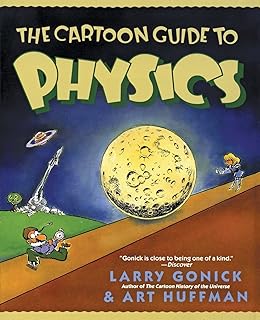
The Cartoon Guide to Physics uses humor and simple visuals to explain velocity, magnetism, circuits, and relativity. By pairing cartoon panels with brief textual explanations, this book aims to clarify complex ideas in a memorable way. It serves as a supplementary resource for students who benefit from a less formal, more visual approach to physics concepts alongside standard coursework.
8th Grade Science: Daily Practice Workbook

This workbook provides daily practice across physical, life, earth, and space science with engaging activities and explanations. It is designed to support ongoing review over a school term, reinforcing concepts through short exercises and explanations. The format suits students who benefit from consistent, bite-sized practice and visual prompts to track progress and identify gaps in understanding.
Buying Guide: Key Purchase Considerations
- Curriculum alignment: Evaluate how closely a book matches your course syllabus or state standards for biology, chemistry, physics, and general science.
- Learning style match: Choose formats that suit the student—visual guides, illustrated explanations, or activity-driven workbooks can improve engagement and retention.
- Depth vs. breadth: Some titles offer broad overviews, while others provide deeper dives into core topics. Pick based on the student’s current level and goals.
- Supplemental resources: Consider whether the book includes practice questions, summaries, diagrams, mnemonics, or review cards that support exam prep.
- Accessibility and readability: Look for clear language, well-organized layouts, and helpful visuals that reduce cognitive load for new topics.
- Durability and format: For frequent use, durable paperback or hardcover editions with readable fonts and quality images are beneficial; digital formats can support portability and searchability.
- Teacher and peer reviews: Check educator recommendations and student feedback to gauge effectiveness in real classrooms and study groups.