Cooking for one can be challenging without the right guidance. The best recipe books for a single household focus on scalable portions, minimal waste, and quick weeknight meals. The following selections cover a range of styles—from streamlined weeknight dinners to flexible menus you can tailor to taste—making it easy to eat well solo without leftovers or excessive prep.
| Book Title | Author / Editor | Key Benefit |
|---|---|---|
| Cooking for One: Scaled Recipes, No-Waste Solutions, and Time-Saving Tips | America’s Test Kitchen Editor | Proven techniques for scaling, waste reduction, and efficient cooking. |
| The Ultimate Cooking for One Cookbook: 175 Super Easy Recipes Made Just for You | Joanie Zisk | Extensive, easy-to-follow singles recipes with variety. |
| Healthy Cooking for One Cookbook: 75 Delicious Recipes Made Simple | Lauren O’Connor MS RDN | Nutritious, wellness-focused meals designed for solo portions. |
| Our Favorite Recipes for One or Two | Gooseberry Patch | Cozy, approachable dishes that scale for one or two servings. |
| The Cooking for One Cookbook: 100 Easy Recipes | Cindy Kerschner | Straightforward, budget-conscious single-serving options. |
Best Overall: Scaled, No-Waste One-Person Cooking
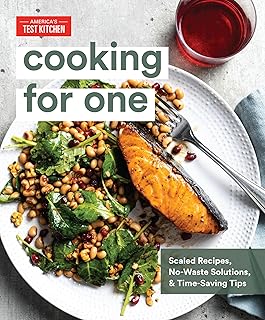
The book edited by America’s Test Kitchen provides a practical framework for cooking solo with an emphasis on reducing waste and saving time. It offers scaled recipes that preserve flavor while avoiding excess leftovers. Expect step-by-step guidance on batch cooking, pantry organization, and intelligent substitutions that work with common single-serving ingredients. The author team also highlights how to adapt techniques used for larger meals to a single plate, helping readers build confidence in improvisation while maintaining consistent results. This resource is ideal for someone seeking reliable methods, tested with America’s Test Kitchen standards of accuracy and clarity.
The Ultimate Cooking for One Cookbook

This collection emphasizes simplicity and variety with 175 recipes crafted specifically for a single appetite. The tone is approachable and friendly, making it easy to explore different cuisines without overhauling your pantry. Recipes are designed to be straightforward, with practical substitutions and quick prep times. For readers who want a broad library of reliable, one-portion meals—from weeknight staples to occasional indulgences—this book offers depth without complexity, encouraging consistent home cooking even on busy days.
Healthy Cooking for One Cookbook

Lauren O’Connor’s guide focuses on nutrition-first, single-serving meals. It features 75 recipes designed to be easy to prepare, with attention to balanced macronutrients and micronutrients for solo eaters. The book offers practical tips on portion control, grocery shopping for one, and meal planning to minimize waste. Readers who prioritize health without sacrificing flavor will appreciate the clear instructions and dietary-conscious options that adapt to different lifestyles and dietary preferences.
Our Favorite Recipes for One or Two

Gooseberry Patch delivers comforting, family-friendly dishes that scale well for one or two servings. The book emphasizes simple, homey meals that don’t require specialized equipment or hard-to-find ingredients. It’s particularly strong for cooks who value traditional flavors, practical measurements, and clear directions that minimize guesswork when adjusting recipes for a single person.
The Cooking for One Cookbook: 100 Easy Recipes

This title prioritizes easy execution with 100 straightforward recipes tailored for solo dining. The emphasis is on practical ingredients, minimal prep work, and efficient cleanup—ideal for singles who want quick meals without compromising on taste or nutrition. The recipes typically feature simple techniques, clear timing, and options to adapt portions to individual appetites or dietary needs.
Buying Guide
- Portion control and scalability: Look for books that explicitly address scaling recipes to a single serving, including how to adjust cooking times and temperatures when reducing quantities.
- Waste reduction: Choose titles that emphasize batch cooking, proper storage, and smart substitutions to minimize leftover ingredients.
- Nutrition balance: If health is a priority, favor books that pair protein, fiber, and healthy fats in each meal and offer dietary notes or substitutions.
- Recipe variety: A broad range of cuisines and meal types (breakfast to dinner, snacks, and one-pot meals) helps maintain interest and adherence.
- Ingredient accessibility: Prefer titles that rely on common pantry staples or easy-to-find ingredients to reduce shopping friction.
- Ease of use: Clear step-by-step instructions, prep cues, and timing help ensure consistent results for new solo cooks.
- Print vs digital: Print editions can be handy for quick reference in the kitchen, while digital formats often offer searchable indexes and adjustable servings.
- Dietary considerations: If you have specific needs (vegetarian, gluten-free, low-sodium), check for dedicated sections or adaptable recipes.
- Maintenance of flavor without waste: Books that teach flavor-building techniques—like proper seasoning, herb usage, and stock-based flavors—help meals feel satisfying with fewer ingredients.
- Budget awareness: Look for recipes that use inexpensive staples and provide cost-saving tips, aligning with a single-person grocery budget.