Whether you’re entirely new to programming or transitioning from another language, the right Python book can accelerate your learning, provide structured exercises, and offer real-world projects to reinforce concepts. This guide highlights five beginner-friendly titles that emphasize hands-on practice, clear explanations, and practical applications. Each entry includes a concise overview, core features, and how it helps new coders build confidence and competence in Python development.
Summary Table Of Chosen Products
| Book | Author / Brand | Key Focus | Amazon Link |
|---|---|---|---|
| Python Crash Course, 3rd Edition | Eric Matthes | Hands-on, project-based introduction to programming | Link |
| Python Programming for Beginners | codeprowess | Ultra-fast learning framework with interactive exercises & projects | Link |
| Python QuickStart Guide | Robert Oliver | Simplified beginner’s guide with hands-on projects | Link |
| Coding for Kids: Python | Adrienne B. Tacke | Games and activities to make learning engaging | Link |
| Python Programming for Young Coders | Anand Pandey | Hands-on, project-based intro for beginners, kids, and teens | Link |
Python Crash Course, 3rd Edition

Python Crash Course, 3rd Edition is designed for beginners who want a practical introduction to programming with Python. The book blends straightforward explanations with hands-on projects, helping readers apply what they learn as they progress. Core topics include Python fundamentals, data structures, and control flow, followed by two substantive projects: a video game and a simple web application. The approachable writing style, paired with concrete examples, makes it suitable for self-learning or a first programming course. The structure supports steady progress from basic syntax to more complex coding tasks, reinforcing skills through real-world applications.
Key Features:
– Project-based learning that reinforces concepts with tangible outcomes.
– Clear explanations of variables, data types, loops, functions, and classes.
– Hands-on projects that demonstrate practical uses of Python.
– Resources and exercises to practice and retain knowledge.
– Suitable for self-paced study and classroom curricula.
Python Programming for Beginners

This book targets readers who want a fast start with Python, emphasizing a streamlined learning path and practical exercises. It presents a structured framework that helps novices absorb programming concepts quickly, without overwhelming details. The book often includes step-by-step instructions, interactive activities, and a progression that builds from simple scripts to more complex programs. It is well-suited for those who prefer a brisk pace and tangible outcomes, making it a strong companion for short-term study goals or a first contact with Python programming.
Key Features:
– Ultra-fast learning framework designed for quick comprehension.
– Interactive exercises and practical projects that reinforce learning.
– Clear progression from basics to applied coding tasks.
– Emphasis on real-world applications to boost retention.
– Suitable for busy learners needing efficient skill acquisition.
Python QuickStart Guide

Python QuickStart Guide is a condensed, beginner-friendly resource focusing on practical coding skills. It emphasizes approachable language and concise explanations, making it accessible for readers who want to start coding fast. The book includes hands-on projects that illustrate how Python can be used for everyday tasks and small applications. It’s particularly useful for learners who prefer a straightforward path with immediate practice and clear milestones.
Key Features:
– Simplified explanations tailored for beginners.
– Hands-on projects to demonstrate practical Python usage.
– Real-world applications to illustrate relevant coding tasks.
– Clear, concise chapters that support steady momentum.
– Suitable for self-guided learning or introductory coursework.
Coding for Kids: Python

Coding for Kids: Python offers a child-friendly entry point into programming with engaging games and activities. While crafted for younger readers, the book also serves as a gentle introduction for beginners of any age who benefit from a visually stimulating, interactive learning approach. The content emphasizes fun projects that introduce core concepts such as loops, conditionals, and basic data handling through approachable challenges, making it a good fit for family learning or classroom use.
Key Features:
– Game-based activities to teach Python concepts.
– Age-appropriate explanations and visuals that aid retention.
– Hands-on projects that gradually increase in complexity.
– Encourages experimentation and creative problem solving.
– Suitable for beginner coders seeking an engaging learning path.
Python Programming for Young Coders
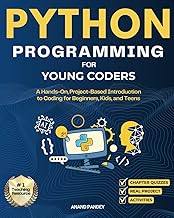
Python Programming for Young Coders focuses on a project-based approach that suits beginners, including kids and teens. The book emphasizes practical tasks that demonstrate Python concepts in action, such as building small programs and games. It balances approachable explanations with hands-on activities to foster confidence in readers who are new to coding. This title is particularly suitable for families, classrooms, or after-school programs seeking an entry point that remains engaging while teaching foundational skills.
Key Features:
– Project-based learning tailored to beginners and younger readers.
– Clear, step-by-step guidance for practical projects.
– Emphasis on foundational concepts through real coding tasks.
– Safe, approachable content designed for early learners.
– Supports family or classroom learning environments.
Buying Guide: Key Purchase Considerations And Comparisons
When selecting a Python book for beginners, consider the following factors to align with learning goals and preferred styles:
- Learning pace: Choose a book that matches your preferred speed—brisk overviews with quick exercises or a slower, more explanatory approach.
- Hands-on projects: Projects help move from theory to practice. Look for titles that include mini-programs, games, or real-world applications.
- Audience suitability: Some books are geared toward kids or teens, while others suit adult beginners. Pick one that matches the reader’s age and experience.
- Clarity and structure: A well-organized layout with clear examples, diagrams, and code snippets improves retention.
- Supplementary resources: Access to online resources, practice problems, and answer keys can reinforce learning outside of chapters.
- Project scope: Some books culminate in larger final projects; others provide a collection of smaller exercises. Decide which aligns with your goals.
- Author credibility: Books by established educators or experienced programmers often offer more reliable explanations and examples.
- Format and accessibility: Consider physical, e-book, or hybrid formats and whether the book includes code samples that are easy to copy and run.
Comparison At A Glance:
- Python Crash Course offers a strong balance of theory and two substantial hands-on projects, making it ideal for readers seeking a guided, project-centered path into programming.
- Python Programming for Beginners emphasizes a rapid, framework-based approach with interactive exercises, suitable for quick skill acquisition.
- Python QuickStart Guide provides concise, starter-friendly content perfect for those who want a fast start with practical applications.
- Coding for Kids: Python and Python Programming for Young Coders are designed for younger audiences, using games and projects to teach fundamentals in an engaging way.
Choosing the right title depends on the reader’s age, learning tempo, and preferred activity level. All five options offer practical, beginner-oriented paths to learn Python, with a mix of project-based learning, concise introductions, and engaging activities that help reinforce core programming concepts while building confidence in real-world coding.