Choosing the right study materials can streamline private pilot training and help you pass the FAA written exam. This guide highlights five essential books that cover test prep, step-by-step guidance, and core knowledge for aspiring pilots. Each section explains what the book offers, who it’s best for, and how it fits into a comprehensive training plan.
Summary of chosen products:
| Product | Author / Brand | Format | Purpose |
|---|---|---|---|
| Private Pilot Test Prep Made Simple | Dawson Merrick (Author) | Question bank, 6 real simulations | Written exam readiness |
| Become a Private Pilot | Brent Gaerlan (Author) | Step-by-step handbook | Flight training roadmap |
| Pilot’s Handbook of Aeronautical Knowledge: FAA-H-8083-25C | Federal Aviation Administration | FAA knowledge reference | Core aeronautical knowledge |
| Pilot’s Handbook of Aeronautical Knowledge (FAA-H-8083-25B) | Federal Aviation Administration | FAA knowledge reference | Updated core knowledge |
| Remote Pilot Test Prep | Atlas Masterguide | Practice questions & simulations | Drone operation knowledge |
Private Pilot Test Prep Made Simple

This comprehensive study aid focuses on FAA-style questions and practical simulations to accelerate exam readiness. The book includes 1000+ questions aligned with the written test format and six real simulations designed to mirror actual test conditions. It’s suitable for students who are short on time and need efficient, focused practice. The content emphasizes test-taking strategies, reasoning, and identifying knowledge gaps to maximize study efficiency.
Who benefits: aspiring pilots who want a rigorous, time-efficient prep resource; students who respond well to practice questions and simulated exams; and those seeking a concrete plan to build confidence before the written test. The book complements classroom or self-study by solidifying understanding through repeated practice and scenario-based learning.
Become a Private Pilot

This step-by-step handbook maps out the entire journey to earning a private pilot certificate. It covers flight training milestones, time management, and cost-saving tips that help students streamline the process without sacrificing safety or competency. The guide emphasizes practical planning, ground school alignment, and efficient practice routines to accelerate progress from intro flight to solo flights and beyond.
Who benefits: students new to aviation seeking a structured path; pilots planning to optimize training time and budgeting; and learners who prefer a narrative guide that ties theory to hands-on experience.
Pilot’s Handbook of Aeronautical Knowledge: FAA-H-8083-25C

The FAA-H-8083-25C is a foundational reference detailing aeronautical knowledge required for private pilots. It covers aviation fundamentals, airspace, weather, navigation, flight operations, and safety procedures. This edition aligns with current regulatory expectations and provides a solid theoretical base for exam prep and practical flying. Because it is official FAA material, it serves as a reliable, authoritative source for both students and instructors.
Who benefits: students seeking a long-term knowledge resource; flight instructors looking to supplement lessons; and learners who value official terminology, charts, and regulatory references to guide study and flight planning.
Pilot’s Handbook of Aeronautical Knowledge (FAA-H-8083-25B)
This handbook, another FAA-issued reference, complements the 25C edition with updated material and emphasis on core concepts. It covers essential topics such as flight theory, aircraft systems, weather theory, navigation, and regulations. The book is structured to support both initial training and ongoing reference throughout a pilot’s career. It is especially valuable for students who appreciate a thorough, regulatory-aligned resource to reinforce classroom lessons and hands-on practice.
Who benefits: students pursuing structured ground study; pilots refreshing knowledge before practical exams; and aviation professionals seeking a dependable reference guide to FAA standards.
Remote Pilot Test Prep
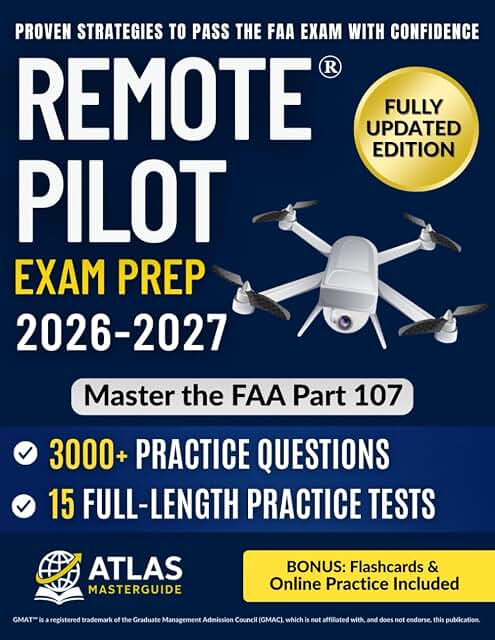
Although focused on drone operations under Part 107, this book provides a broad look at aviation regulations, weather interpretation, and safe flight planning. It can serve as supplementary material for readers who want to compare private pilot and remote pilot standards or to gain a broader understanding of how aviation knowledge is applied across different aircraft categories. The book includes more than 3000 practice questions and full simulations to build exam readiness in a drone context, which can be useful for cross-disciplinary learners.
Who benefits: private pilots who want a broader aviation knowledge base; drone operators seeking parallels with manned aviation; and learners who prefer extensive practice questions and scenario-based learning to reinforce test-taking skills.
Buying Guide
Key purchase considerations
- Certification alignment: Prioritize books that directly align with FAA knowledge areas for the private pilot certificate, especially aeronautical knowledge, navigation, and weather.
- Format and learning style: Some readers prefer structured handbooks, others benefit from practice questions and simulations. A hybrid approach often yields the best results.
- Regulatory updates: FAA handbooks are periodically updated. Check edition numbers or publication dates to ensure the material reflects current rules and procedures.
- Practice vs. theory balance: Use test-prep books to strengthen test-taking skills while supplementing with official handbooks for in-depth theory and terminology.
- Instructor and course compatibility: If you’re enrolled in ground school or flight training, choose resources that complement your curriculum to avoid redundancy.
- Scope and depth: The most effective kit often includes a core knowledge reference (FAA handbooks) plus targeted exam prep materials for efficient study sessions.
Comparative perspectives
- Comprehensive reference approach: The FAA handbooks provide authoritative coverage of core topics but may require additional practice materials for exam readiness.
- Exam-focused strategy: Test prep books with thousands of questions and simulations help build familiarity with the test format and timing.
- Learning pace considerations: For busy schedules, a concise study plan that alternates between theory and practice can maintain momentum without overwhelming the learner.
- Cost and accessibility: Consider which resources are most cost-effective for your situation. Bundles that combine practice questions with reference material can offer good value.
- Long-term value: Official FAA handbooks remain relevant across multiple training stages, whereas exam-focused guides are most valuable during the run-up to the test.