Finding the right picture books can help preschoolers explore friendship, empathy, and social skills in engaging, age-appropriate ways. The following selections emphasize kindness, cooperation, sharing, and emotional awareness through colorful stories and relatable characters. Each title offers gentle lessons suitable for early readers and listeners, helping little ones recognize how to be a good friend in everyday situations.
| Title | Author / Illustrator | Notes |
|---|---|---|
| How to Be a Friend: A Guide to Making Friends and Keeping Them | Laurie Krasny Brown; Marc Brown | Dino Tales life guide for families |
| How Do Dinosaurs Play with Their Friends? | Jane Yolen; Mark Teague | Playful dinosaurs model social skills |
| I Am Stronger Than Anger: Picture Book About Anger Management | Elizabeth Cole | Emotions and self-regulation for preschoolers |
| Let’s Be Friends: A Lift-the-Flap Book | Violet Lemay | Interactive exploration of friendship |
| Bad Apple: A Tale of Friendship | Edward Hemingway | Friendship through challenges |
How to Be a Friend: A Guide to Making Friends and Keeping Them

This title blends practical guidance with warm storytelling to help preschoolers understand core friendship skills. The narrative follows a child learning how to greet others, share, listen, and cooperate in group activities. The accompanying illustrations provide approachable cues for recognizing friendly behavior and responding with kindness. The book is suitable for read-aloud sessions and can be used to initiate conversations about social boundaries, empathy, and conflict resolution in early childhood settings.
Key features include a clear progression from noticing peers to initiating play, and advice that translates into everyday classroom or home scenarios. The tone remains reassuring and age-appropriate, encouraging children to practice small, manageable steps toward healthier friendships.
How Do Dinosaurs Play with Their Friends?

In this playful addition, dinosaur characters model positive social behavior through cooperative play and considerate communication. The repetitive, humorous text structure is easy for preschoolers to follow, while vibrant illustrations hold attention and reinforce social scripts such as sharing, taking turns, and resolving small disagreements. The book’s lighthearted approach helps children see that making friends is a fun, ongoing process and that good manners are a natural part of playtime.
Illustrations and rhyme-like phrasing invite participation, making it ideal for group read-alouds. This title pairs well with classroom activities that emphasize role-playing and peer interaction, supporting early social-emotional development.
I Am Stronger Than Anger: Picture Book About Anger Management
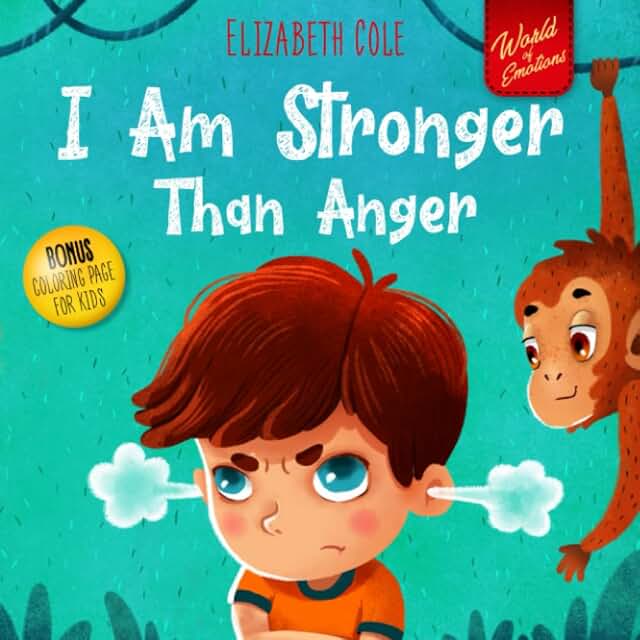
This title addresses emotional regulation in a child-friendly format, helping preschoolers identify feelings and develop coping strategies. The story follows a young protagonist as frustration arises and is then managed through calming techniques and problem-solving. It offers simple language that aligns with early literacy skills and provides a framework for caregivers to discuss triggers, responses, and healthy ways to ask for help.
Educational value lies in linking emotions to concrete actions—taking deep breaths, counting to ten, or seeking a friend’s support. The approachable design supports independent reading or guided sessions in preschool settings.
Let’s Be Friends: A Lift-the-Flap Book

This interactive picture book invites active participation through lift-the-flap features that reveal friendly surprises and opportunities to practice social skills. The storyline emphasizes inclusive play, encouraging children to notice opportunities to welcome others, share, and include peers who may feel left out. The tactile engagement supports memory and comprehension, making it particularly effective for early readers and emergent literacy.
Authors use concise sentences and cheerful illustrations to model positive peer interactions, turning a simple reading activity into a playful social learning moment that translates to classroom and neighborhood environments.
Bad Apple: A Tale of Friendship

In this narrative, friendship faces a test as character dynamics evolve, offering a gentle exploration of loyalty, trust, and forgiveness. The story uses a simple plot and expressive visuals to help preschoolers recognize how conflicts arise and how kindness can mend relationships. It supports conversations about empathy, inclusion, and resilience in the early years, making it a thoughtful addition to a shared reading shelf.
Readers are invited to compare perspectives, role-play solutions, and consider how different choices affect friendships over time. The accessible language and engaging illustrations make it suitable for read-alouds and independent exploration alike.
Buying Guide: Key Considerations for Preschool Friendship Books
- Age-appropriateness: Look for clear language, short sentences, and simple plots that align with preschool attention spans and comprehension.
- Social-emotional focus: Choose stories that model empathy, sharing, conflict resolution, and self-regulation rather than just entertainment.
- Interactive elements: Lift-the-flap, touch-and-feel, or questions that invite discussion can reinforce learning and engagement.
- Character diversity and inclusion: Select books that reflect a range of backgrounds and abilities to foster belonging and perspective-taking.
- Read-aloud suitability: Consider rhythm, repetition, and humor that support attentive listening and vocabulary growth for early readers.
- Support for caregivers: Books with questions or activity prompts help adults guide conversations about friendship and feelings.
- Format and durability: Board books or sturdy pages are ideal for little hands and frequent use in classrooms or libraries.
- Series potential: Titles connected to familiar characters or recurring themes can reinforce concepts across multiple read-alouds.
When selecting titles, balance entertaining stories with explicit social lessons. Pair reading with guided activities—role-play, co-play challenges, and emotion-check-ins—to maximize learning outcomes for preschoolers as they build foundational friendship skills.