Discover engaging books about planets that captivate young readers. This article highlights five top children’s planet books, each offering bright illustrations, age-appropriate explanations, and interactive elements to foster curiosity about space. Whether you’re guiding early readers or encouraging older children to explore science, these picks provide reliable, kid-friendly introductions to the solar system.
| Product | Author / Illustrator | Format / Audience | Notable Feature |
|---|---|---|---|
| 8 Little Planets: A Solar System Book for Kids with Unique Planet Cutouts | Chris Ferrie; Lizzy Doyle (Illustrator) | Picture/Interactive | Unique planet cutouts and kid-friendly explanations |
| My First Book of Planets: All About the Solar System for Kids | Dr. Bruce Betts (Author) | Picture/Beginning Reader | Concise facts tailored for early readers |
| Planets (National Geographic Kids Readers, Level 2) | Elizabeth Carney; National Geographic Kids | Early Readers Level 2 | Engaging facts and accessible language for developing readers |
| National Geographic Little Kids First Big Book of Space | Catherine D. Hughes; David A. Aguilar (Illustrator) | Pictorial/Introductory | Bright illustrations and approachable space basics |
| The Mysteries of the Universe: Discover the best-kept secrets of space | Will Gater (Author) | Anthology Overview | Curated space facts presented for curious readers |
This selection covers a range of reading levels and formats—from interactive cutouts to beginner-friendly texts and engaging photo-driven layouts. Each title is designed to make space science approachable, helping kids build foundational knowledge while staying engaged through vibrant visuals and clear explanations.
8 Little Planets: A Solar System Book for Kids with Unique Planet Cutouts

Author Chris Ferrie teams up with Lizzy Doyle to present a playful tour of the solar system. The book features unique planet cutouts, engaging text, and science-forward explanations that suit curious minds. Targeted toward early readers, it blends visuals with approachable facts to support foundational astronomy concepts. The content emphasizes simple, memorable descriptions of each planet, helping kids remember order, size, and distinctive features while fostering a sense of wonder about space.
Key features include interactive cutouts that encourage hands-on exploration, friendly character-driven explanations, and an approachable introduction to planetary science. The blend of artwork and concise text makes it suitable for read-aloud sessions or independent exploration, with each page inviting kids to anticipate what comes next in the solar system.
My First Book of Planets: All About the Solar System for Kids

Dr. Bruce Betts offers an approachable tour of the solar system designed for youngsters beginning their space journey. The book prioritizes clear explanations and age-appropriate facts, helping children build a solid understanding of each planet’s basics, from rocky terrestrials to gas giants. It serves as a friendly primer that can complement classroom learning or family reading time, with kid-friendly diagrams and accessible language that keeps readers engaged without overwhelming them with detail.
Notable elements include succinct summaries for each planet, simple mnemonics, and engaging illustrations that reinforce comprehension. The straightforward style supports independent reading while also offering valuable talking points for parents and teachers guiding early science exploration.
Planets (National Geographic Kids Readers, Level 2)

This Level 2 National Geographic title introduces planets to developing readers with accessible text and vivid photography. It balances factual content with compelling visuals to illustrate planetary features, distances, and characteristics. The structured format supports guided reading and independent practice, making it a strong choice for classrooms or home libraries looking to expand astronomy literacy at a steady pace.
Key strengths include a reader-friendly layout, concise explanations, and robust visuals that reinforce core concepts. The book helps young readers connect what they learn about planets to real images of the solar system, supporting memory retention and curiosity about space phenomena like orbits and planetary atmospheres.
National Geographic Little Kids First Big Book of Space

This guide is tailored for younger readers and their families. Rich with bright illustrations and short, engaging text, it introduces planets, stars, and space exploration in an approachable way. The book emphasizes curiosity, offering kid-friendly explanations about everyday space concepts and how scientists study the cosmos. It serves as a gentle stepping-stone from picture books to more detailed astronomy titles, with a focus on making space feel accessible and exciting.
Highlights include a colorful, magazine-like layout, bite-sized sections, and curiosities that prompt questions. It’s well suited for shared reading sessions and early science education, helping children build a foundation in astronomy while keeping the experience fun and interactive.
The Mysteries of the Universe: Discover the Best-Kept Secrets of Space
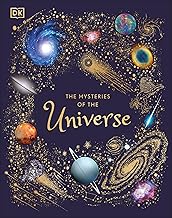
Will Gater guides readers through a curated collection of space facts and revelations. The anthology format offers a broad overview of astronomical topics, presenting intriguing mysteries and discoveries in an accessible, age-appropriate way. The content is designed to spark curiosity about space science, encouraging readers to ask questions and explore topics such as planets, galaxies, and the physics that govern the universe.
Notable strengths include a well-structured compilation of topics, engaging explanations, and visuals that complement the text. This format is ideal for curious kids who enjoy learning through short, fact-packed passages and illustrated examples that connect big ideas to everyday language.
Buying Guide: How to Choose the Right Planets Book for Kids
- Reading level and age suitability: Match the book’s content to the child’s reading skills, from picture books for early readers to Level 2 readers for developing readers.
- Format and interactivity: Consider whether your child benefits more from interactive features (like cutouts) or straightforward prose and vivid photography.
- Illustrations and visuals: Colorful images help memory retention and engagement; choose a style that keeps the child interested.
- Accuracy and scope: National Geographic titles often emphasize accuracy and depth; other books may balance fun with foundational concepts suitable for younger audiences.
- Support for learning goals: Look for books that align with science standards or classroom curricula, especially if used for school projects.
- Series progression: If a child enjoys a particular author or format, subsequent titles in the same series can offer a cohesive learning path.
Overall, the right planets book for kids should balance curiosity-driven storytelling with clear explanations of planetary science. The selections above provide varied approaches—from interactive experiences to structured readers—so families and educators can tailor space education to each child’s pace and interests.