Finding beginner-friendly piano books tailored for teens can boost motivation and accelerate progress. The following selection focuses on approachable lesson structures, clear explanations, and engaging repertoire to support early technique, rhythm reading, and musical expression. Each title below is well-suited for teenage learners stepping into piano with confidence, whether practicing at home or with a teacher. The list uses widely available, reputable method books that align with standard teaching methods in American studios.
| Product | Author/Brand | Type |
|---|---|---|
| Accelerated Piano Adventures: Lesson Book 1 | Nancy Faber, Randall Faber | Older Beginner Method Book |
| Piano for Teens | Jennifer Linn | Beginner Piano Sheet Music With Online Audio |
| Play by Color: Piano and Keyboard Songs for Beginners | Christina Levante | Color-Coded Notes for Early Learners |
| My First Piano Lessons | Emily Norris | Introductory Kids Piano Book |
| Beginner Piano Book for Kids | Alex Franklin | Intro to Piano Skills |
Readers should note that these titles span early to mid-teens, with emphasis on reading, rhythm, and finger technique. The collection includes both traditional method sequences and kid-friendly approaches, blending step-by-step lessons with accessible songs to keep practice engaging. The following sections spotlight five standout choices most relevant to the teenage beginner, each with a direct link to Amazon for quick access.
Accelerated Piano Adventures: Lesson Book 1

This lesson book from the renowned Faber piano method introduces the grand staff, notes, rhythms, and foundational technique in a structured sequence suitable for teens starting piano. It emphasizes pacing, musical phrasing, and hands-on practice through progressive pieces and exercises, helping learners build reading fluency while developing touch and coordination. The authors, Nancy and Randall Faber, bring decades of classroom and studio experience to create approachable, kid-friendly material that remains rigorous enough for teenagers advancing toward more complex repertoire.
Piano for Teens by Jennifer Linn
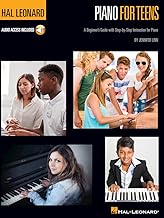
This beginner-friendly guide is tailored for teenage players, blending step-by-step lessons with popular songs to keep motivation high. The accompanying online audio helps with rhythm and phrasing, enabling practice outside the piano bench. The Hal Leonard method emphasizes accessible explanations and practical exercises that merge theory with engaging repertoire, making it suitable for learners transitioning from simple melodies to more expressive playing.
Play by Color: Piano and Keyboard Songs for Beginners

Play by Color uses color-coded notes to simplify reading for new players. This approach can be especially helpful for teens who benefit from visual cues while learning to coordinate hands and rhythms. The included Christmas songs and a variety of familiar tunes offer timely practice material that balances educational content with enjoyable melodies, supporting gradual skill-building without overwhelming the learner.
My First Piano Lessons

Designed for younger beginners who may still be in early teens, this book provides approachable, easy-to-follow instructions that emphasize playful engagement with music. It combines simple tasks with clear visuals and stepwise progression to reinforce concepts such as rhythm, note recognition, and hand coordination. The clear structure helps learners establish a strong foundation while maintaining motivation through friendly, accessible content.
Beginner Piano Book for Kids

This introductory book focuses on essential piano skills with approachable lessons designed for early learners, including teen beginners who may be returning to music after a break or starting anew. The material covers basic technique, reading, and simple repertoire, offering a gentle but steady pathway toward more complex musical tasks. It’s suitable for guided study with a teacher or structured self-practice.
Buying Guide: Key Purchase Considerations
When selecting piano books for a teenage beginner, consider a mix of structure, repertoire, and support features. The following points help compare options and choose a program that fits the learner’s pace and interests.
- Teaching Approach: Determine whether the teen benefits from color-coding, traditional note reading, or a song-first approach. Some learners respond well to visual aids, while others thrive on classic method sequences.
- Progression and Pacing: Look for books with clear progression—from basic rhythms and finger numbers to more complex chords and melodies. A well-graded sequence helps maintain motivation and measurable growth.
- Supplemental Audio: Optional online audio or video can reinforce rhythm, tempo, and articulation. This is especially helpful for self-practice and mastering tricky passages.
- Repertoire Relevance: Choose tunes and pieces that align with teen interests, including contemporary songs or easy classical melodies. Familiar material can boost engagement.
- Teacher Compatibility: Some books are designed with private lessons in mind, featuring teacher notes or teacher-friendly exercises. If possible, consult with a piano teacher to confirm alignment with the teen’s curriculum.
- Learning Aids: Consider color-coding, lyric prompts, or large print formats that support readability and focus during practice sessions.
- Durability and Format: Spiral-bound editions or sturdy hardcovers support frequent practice. Digital sound options can offer flexible practice environments.
- Longevity and Adaptability: A book that scales with the student’s growth—offering a pathway from beginner to intermediate level—reduces the need for frequent changes in materials.
Across these selections, teens can build essential skills in note reading, rhythm coordination, and expressive touch. While one title may emphasize visual cues or a modern repertoire, another may provide a traditional, theory-driven path. The best choice depends on the learner’s motivation, preferred learning style, and whether they benefit more from guided instruction or independent practice.