Parents and young readers alike can explore the world through compelling nonfiction that informs, inspires, and entertains. The following five titles offer a mix of science, space, inventions, and animal facts designed for children who love learning. Each book is well-suited for classroom use or family reading time, with engaging visuals and kid-friendly explanations that spark curiosity.
| Product | Author / Brand | Format |
|---|---|---|
| The Fascinating Science Book for Kids: 500 Amazing Facts! | Kevin Kurtz MA (Author) | Paperback |
| National Geographic Kids Why?: Over 1,111 Answers to Everything | Crispin Boyer (Author) | Paperback |
| Mistakes That Worked: 40 Familiar Inventions & How They Came to Be | Charlotte Foltz Jones (Author), John O’Brien (Illustrator) | Paperback |
| The Mysteries of the Universe: Discover the best-kept secrets of space | Will Gater (Author) | Paperback |
| The Fascinating Animal Book for Kids: 500 Wild Facts! | Ginjer Clarke (Author) | Paperback |
The Fascinating Science Book for Kids: 500 Amazing Facts!

This kid-friendly science book delivers 500 approachable facts designed to stimulate curiosity and science literacy. It emphasizes clear explanations, colorful illustrations, and quick read segments that fit into study breaks or family reading times. Topics span natural phenomena, tech innovations, and everyday science, making complex ideas accessible for younger audiences while supporting classroom basics in science and inquiry-based learning.
National Geographic Kids Why?: Over 1,111 Answers to Everything

This comprehensive reference-style book answers thousands of questions children often wonder about, from science and nature to technology and culture. It uses approachable language, vivid photos, and quick fact snippets to encourage independent reading while supporting curiosity-driven exploration and curiosity-led projects at home or in the classroom.
Mistakes That Worked: 40 Familiar Inventions & How They Came to Be

Exploring the inventive process, this book reveals how trial and error, missteps, and unexpected results can lead to breakthrough ideas. It brings to life famous inventions through engaging stories, practical examples, and accessible language, illustrating the role of creativity and resilience in innovation for young readers.
The Mysteries of the Universe: Discover the best-kept secrets of space
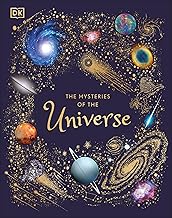
Explore cosmic questions and the vastness of space with kid-friendly explanations and striking visuals. The book covers astronomical phenomena, space travel, and scientific discoveries, helping readers build a foundational understanding of astronomy, physics, and the scientific method.
The Fascinating Animal Book for Kids: 500 Wild Facts!

Filled with 500 animal facts, this title blends vivid illustrations with bite-sized information about habitats, behaviors, and species diversity. It’s designed to engage readers through quick-read sections, infographics, and kid-friendly explanations that reinforce natural history concepts and environmental awareness.
Buying Guide
- Age and reading level: Choose books aligned to the child’s grade and reading comfort to maximize comprehension and engagement.
- Topic balance: A mix of science, space, inventions, and animals supports broad curiosity and cross-disciplinary learning.
- Visuals and layout: Strong illustrations, photos, and infographic-style pages help maintain interest and aid memory.
- Curriculum alignment: Look for titles that reinforce core science concepts, critical thinking, and inquiry skills used in schools.
- Durability and format: Consider paperback for affordable reading or hardcover for long-term use in classrooms; size and binding affect portability.
- Supplemental features: Sidebars, glossaries, and quick fact sections can be valuable for younger readers and independent study.
- Budget and availability: These popular titles are often useful across multiple ages; check for library availability or bundles when possible.
Across science, space, inventions, and animal knowledge, these nonfiction books provide reliable entry points for curious kids. They combine engaging text with clear visuals to support reading development and scientific curiosity, making them suitable for home libraries and classroom libraries alike.