Parents seeking timeless nursery favorites will find a collection of enduring classics and delightful modern takes in these mother goose board books. Each pick below is designed for tiny hands and curious minds, featuring sturdy pages, gentle rhymes, and vibrant illustrations that capture the imagination. The following selections are among the most popular choices for first libraries, helping preschoolers grow familiar with rhythm, rhyme, and early literacy skills.
Summary at a glance: the five highlighted books span traditional rhymes and artistically rich reinterpretations, offering durable formats perfect for toddlers and preschoolers. This table helps compare what each title emphasizes—from classic verse collections to vivid artwork and padded formats for safe handling by young readers.
| Product | Author / Illustrator | Format |
|---|---|---|
| My First Mother Goose Nursery Rhymes | Editors of Studio Fun International; Lisa McCue (Illustrator) | Board book |
| Mary Engelbreit’s Mother Goose: One Hundred Best-Loved Verses | Mary Engelbreit (Author, Illustrator) | Hardcover/board style |
| Tomie’s Little Mother Goose | Iona Opie (Author); Tomie dePaola (Illustrator) | Board book |
| My First Book of Nursery Rhymes – Children’s Padded Board Book – Classics | Little Hippo Books (Author) | Padded board book |
| The Pudgy Book of Mother Goose (Pudgy Board Books) | Richard Walz (Illustrator) | Board book |
My First Mother Goose Nursery Rhymes

The Editors of Studio Fun International deliver a vibrant collection designed for early readers. This title blends familiar nursery rhymes with approachable illustrations by Lisa McCue, offering sturdy pages that can withstand repeated page-turning by curious toddlers. The board book format ensures durability, while the rhymes introduce rhythm, phonemic awareness, and memory recall. Ideal for shared reading sessions, these rhymes support pre-reading skills through repetition and predictability, helping children connect sounds to words as they grow comfortable with storytelling patterns.
Mary Engelbreit’s Mother Goose: One Hundred Best-Loved Verses

This edition showcases Mary Engelbreit’s distinctive artwork, bringing classic nursery rhymes to life with bold colors and whimsical characters. The blend of text and illustrations creates a storytelling experience that can captivate preschoolers and keep parents returning to favorite verses. The visual richness supports vocabulary development, while the familiar rhymes help children anticipate language patterns. While the format leans toward a larger board or padded style, the content remains approachable for early readers and those who enjoy a visually immersive reading experience.
Tomie’s Little Mother Goose

Tomie dePaola’s signature style shines in this reinterpretation presented by Iona Opie. The text remains approachable for young readers, while the illustrator’s warm, inviting drawings help children connect with familiar rhymes on a more intimate level. The board book format is particularly well-suited for toddlers who are still exploring book handling, and the approachable length of each rhyme makes it a great choice for short daily reading sessions. Parents can enjoy smooth storytelling rhythms that promote early literacy through repetition and memorable phrasing.
My First Book of Nursery Rhymes – Classics
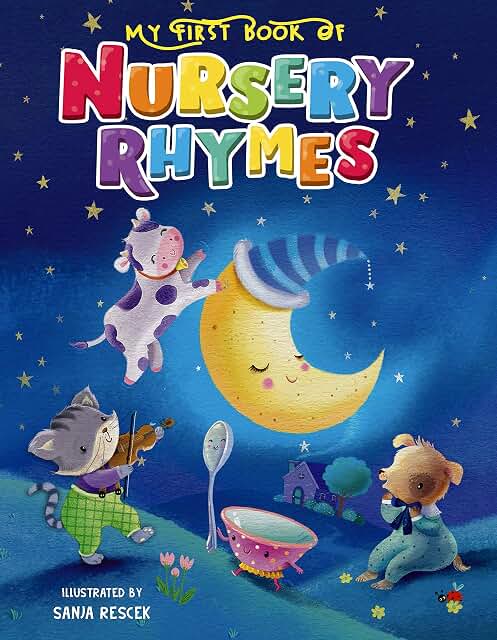
This padded board book by Little Hippo Books offers a gentle introduction to timeless rhymes with a tactile, durable cover. The padded format adds a soft, kid-friendly feel that makes pages easier to turn for small hands. The selection emphasizes traditional verse, which can help toddlers recognize common linguistic patterns early on. The blend of classic rhymes and a friendly presentation supports early reading readiness, including memory, sequencing, and auditory discrimination as children listen and follow along.
The Pudgy Book of Mother Goose (Pudgy Board Books)
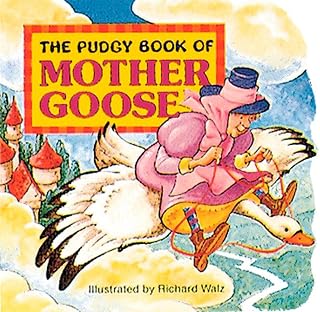
Richard Walz’s Pudgy Board Books present a compact, chunky format designed for little fingers. The art pairs with classic Mother Goose verses in a way that keeps children engaged during read-aloud sessions. The sturdy board construction supports frequent handling, and the shorter page lengths align well with short attention spans common in toddlers. This option bridges traditional rhymes with a kid-friendly, durable design, offering a reliable starter library for early literacy development.
Buying Guide: Key Purchase Considerations
- Age appropriateness: Board books are ideal for ages 0–4 due to their sturdy pages and simple, repetitive text. Consider the child’s handling skills and reading goals when choosing between padded pages and standard board formats.
- Durability: Look for thick board pages, rounded corners, and a robust spine. Padded or glossy finishes can influence the book’s longevity with little hands and drool-friendly surfaces.
- Illustration style: Artwork helps sustain engagement. Some children respond to bold, colorful art, while others enjoy softer, more whimsical drawings. Matching the art style to a child’s preferences can enhance reading sessions.
- Rhyme density and vocabulary: Classic mother goose rhymes typically feature simple, repetitive text that reinforces phonemic awareness. Some editions add short explanatory notes or kid-friendly commentary to expand understanding.
- Format and size: Larger formats may be easier for shared reading, while compact boards are convenient for travel and on-the-go moments. Padding can add tactile appeal for toddlers.
- Educational value: Beyond entertainment, these titles support early literacy—sound recognition, rhyme memory, and vocabulary growth. Consider how each book aligns with a child’s current learning milestones.
- Illustrator and author familiarity: Familiar names such as Mary Engelbreit or Tomie dePaola can add appeal for families who appreciate established artistic voices alongside traditional verses.
- Care and safety: Ensure the book uses non-toxic inks and sturdy bindings. Board books are easier to clean and safer for mouthing hazards common in toddlers.
Choosing a mother goose board book collection involves balancing literary familiarity with visual engagement and physical durability. The five selections above provide a range of styles—from classic rhymes to artistically rich reinterpretations—each suitable for developing early literacy in a home reading routine. When building a starter library, consider a mix of timeless verses and art-forward editions to keep little readers returning to the pages again and again.