Model ship building blends history, craftsmanship, and precise technique. This article highlights five essential books and guides that span comprehensive everything-from-plans to detailing, plus engaging puzzle and kit options for hands-on learners. Whether you are a beginner seeking a solid foundation or an experienced modeller aiming to refine rigging, hull accuracy, or fittings, these titles provide step-by-step guidance, reference diagrams, and practical tips. Explore the featured titles, their strengths, and how they can complement your labors at the bench or in the workshop.
Summary table of selected products
| Product | Brand | Highlights |
|---|---|---|
| Historic Ship Models | Sterling | 2,500 drawings, multilingual glossary, extensive plans, budgeting and tool guidance |
| Basics of Ship Modeling: The Illustrated Guide | Foundational illustrated guide for beginners and enthusiasts | |
| Building and Detailing Model Aircraft (FineScale Modeler Books) | Kalmbach Books | Detailing techniques, broad model-building guidance |
| CubicFun 3D Ship Puzzles: USS Constitution | CubicFun | 193-piece puzzle, easy assembly, no glue |
| Rolife 3D Wooden Puzzles: Sailing Ship | Rolife | 118-piece wooden model, no tools needed, craft gift |
Historic Ship Models — A Comprehensive Guide

Historic Ship Models is a thorough reference for serious hobbyists. It features more than 2,500 drawings, diagrams, and photos, accompanied by working instructions for a wide range of construction techniques. The book includes charts, tables, and a 15-page nautical glossary in five languages, plus a curated list of ship model museums in the United States and Europe. Sections cover project selection, plan evaluation, budgeting, and essential tools, making it suitable for readers planning their first large-scale build or expanding a catalog of techniques. The detailed sections on hulls, fittings, exposed machinery, masts, rigging, sails, and flag design offer a solid foundation for accurate, authentic models.
Key features to note: multilingual glossary, practical guidance on budgeting and materials, and an emphasis on maintaining accuracy through every stage of construction. This title is particularly valuable for modelers who want a turnkey reference with broad coverage of classical ship types and the decision points that shape a successful project. It serves well as a desk reference alongside a dedicated modeling project.
Basics of Ship Modeling: The Illustrated Guide

Basics of Ship Modeling offers a concise, illustrated approach ideal for newcomers. While compact, it provides clear visuals to accompany fundamental techniques, from selecting plans to assembling hulls, fittings, and basic rigging. The illustrated format helps readers translate concepts into hands-on steps, supporting those who benefit from visual cues and practical checklists. This book is a strong companion for building confidence before tackling more complex projects or high-detail work.
Core strengths include approachable explanations, step-by-step sequences, and a focus on practical execution. It can serve as a practical primer for hobbyists who want a structured entry point or a quick refresher on essential methods between larger, more technical volumes.
Building and Detailing Model Aircraft (FineScale Modeler Books)

Although focused on aircraft, this Kalmbach volume provides valuable modeling techniques that cross over into ship modeling, especially detailing and finishing. The book covers a range of finishing techniques, weathering, and precise detailing that can enhance hull planking, deck fittings, and rigging on ships. Readers can adapt the fine-scale approaches to achieve realistic textures and nuanced appearances on maritime models, adding depth to surfaces, engines, and accessories. The guide emphasizes careful preparation, inspection, and refinement, which are universal to high-quality modeling.
Readers should consider this title for its advanced detailing methods and the transferability of techniques across different modeling genres. It complements ship-specific texts by offering a broader toolkit for achieving professional-looking results.
CubicFun 3D Ship Puzzles: USS Constitution

CubicFun offers an engaging 3D ship puzzle that translates maritime history into a hands-on assembly experience. This set focuses on the USS Constitution, providing a detailed, 193-piece puzzle that is designed to be assembled without glue, scissors, or tape. The kit emphasizes correct proportions and spatial reasoning, making it suitable for adults and teens seeking a challenging, educational activity. The product is well-suited for display once completed, serving as a decorative piece that reflects naval heritage.
While not a traditional model-building guide, the CubicFun puzzle supports spatial skills, patience, and problem-solving. It can complement smoother, more traditional projects by offering a rewarding, low-muss, high-satisfaction alternative that still centers on ship design and historical representation.
Rolife 3D Wooden Puzzles: Sailing Ship
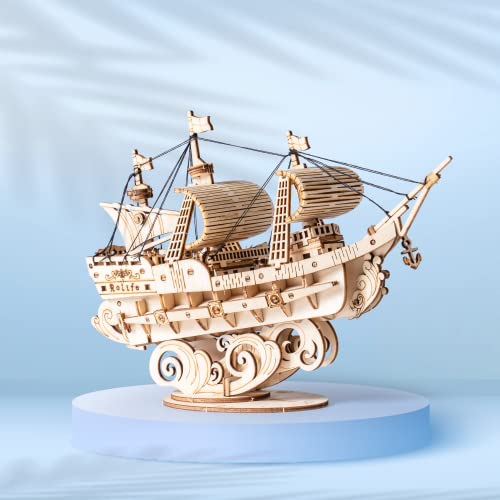
The Rolife Sailing Ship model kit combines a wooden construction with a compact, elegant build. It involves 118 pieces and takes about three hours to complete, requiring no glue, tools, or special equipment for assembly. The kit is positioned as a thoughtful craft project or a decorative piece for shelves and desks. Its simple, self-contained assembly process makes it a family-friendly option that can be enjoyed by beginners while still offering a satisfying result for experienced builders who value a clean, finished aesthetic.
Key considerations include the pace of assembly, the wooden finish, and the suitability for gifting or display. Rolife emphasizes a simple, approachable build that still delivers a presentable maritime model suitable for homes, classrooms, or offices.
Buying Guide: Model Ship Building Tools, Kits, And References
- Project scope and complexity: Match your skill level with the book’s detail, from beginner guides to advanced rigging and engine considerations.
- Plan availability: Some titles provide plans, diagrams, and step-by-step instructions; others focus on puzzle-based or kit-based experiences. Ensure the format aligns with your preferred workflow.
- Materials and tools: Consider whether you need specialized tools for hull construction, planking, or rigging, and whether a book covers tool recommendations and budgeting.
- Historical accuracy vs. practicality: Find a balance between authentic historical representation and achievable craftsmanship for your environment and budget.
- Multilingual and glossary support: If you value cross-cultural terminology, a glossary in multiple languages can be a helpful reference for period-specific terms.
- Display quality: Some models and puzzles are designed for decorative display; others prioritize performance and structural realism. Define your display goals.
- Cross-genre learning: Books that cover general modeling techniques can bolster ship-specific projects with additional detailing, weathering, and finishing strategies.
- Budget and scale: Larger, more detailed volumes may cover extensive techniques; compact guides can be excellent companions for quick references or on-site consultations.
This collection provides a spectrum from dense reference manuals to approachable, enjoyable puzzles. When selecting, consider how you learn best—through visual diagrams, hands-on practice, or a combination of both—and how each title complements your existing library and ongoing projects. Practically, readers may benefit from pairing a foundational guide with a detailed technique book, then rotating toward a decorative puzzle or kit for enjoyable, low-stress practice intervals.