Whether you’re an aspiring martial artist or an experienced practitioner, the right training books can extend your discipline beyond the dojo. This guide highlights five highly regarded titles that cover home training, weapon work, mixed disciplines, and anatomy—helping you refine technique, strategy, and conditioning from anywhere. The selections emphasize practical instruction, clear illustrations, and comprehensive methods suitable for American readers seeking structured study.
| Product | Author(s) | Format |
|---|---|---|
| Solo Training: The Martial Artist’s Home Training Guide | Loren W. Christensen | Book |
| The Art and Science of Staff Fighting: A Complete Instructional Guide (Martial Science) | Varady | Book |
| Mix Martial Arts: A Comprehensive Guide to Boxing, Brazilian Jiu-Jitsu, Muay Thai, Wrestling, Karate, Taekwondo, Kung Fu, Judo, Sambo, and Capoeira for MMA Mastery | Clint Sharp | Book |
| Championship Fighting: Explosive Punching and Aggressive Defense | Jack Dempsey | Book |
| The Anatomy of Martial Arts: An Illustrated Guide to the Muscles Used for Each Strike, Kick, and Throw | Lily Chou; Norman G. Link Ph.D. | Book |
Solo Training: The Martial Artist’s Home Training Guide

Author Loren W. Christensen frames a practical approach to training at home, emphasizing discipline, routine design, and progressive conditioning. The guide covers core drills, minimal equipment setups, and safe practice strategies for developing speed, endurance, and technique without a gym membership. Readers can translate home workouts into scalable plans aligned with their belt level or curriculum, facilitating steady skill growth and daily consistency.
The Art and Science of Staff Fighting: A Complete Instructional Guide (Martial Science)

This instructional guide explores staff-based combat with attention to grip, stance, footwork, and weapon mechanics. It integrates historical context with practical drills to enhance control, reach, and timing. The book serves as a reference for both solo practice and paired drills, offering progression from basic to advanced techniques and emphasizing safety and spatial awareness.
Mix Martial Arts: A Comprehensive Guide to MMA Mastery
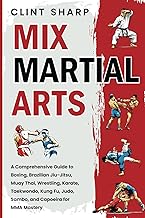
Clint Sharp compiles a broad spectrum of disciplines—boxing, Brazilian Jiu-Jitsu, Muay Thai, wrestling, karate, taekwondo, kung fu, judo, sambo, and capoeira—for MMA mastery. The book outlines hybrid training concepts, defensive and offensive strategies, conditioning specifics, and practical guerra-inspired combinations. It is a resource for readers seeking cross-training insights and integrated game plans suitable for mixed-discipline competition or self-improvement.
Championship Fighting: Explosive Punching and Aggressive Defense

Jack Dempsey’s classic work focuses on punch mechanics, speed, power development, and defensive tactics. The text emphasizes aggressive offensive strategies, footwork, and timing, offering practical drills and progressive conditioning. It provides historical insight into championship-level training methods and presents guidance that remains relevant for athletes pursuing competitive excellence or comprehensive striking education.
The Anatomy of Martial Arts: An Illustrated Guide to the Muscles Used for Each Strike, Kick, and Throw

This illustrated volume maps the muscular engagement behind each strike, kick, and throw. It combines anatomical diagrams with practical coaching cues, helping practitioners optimize efficiency, reduce injury risk, and tailor conditioning to their martial arts focus. The book benefits readers who appreciate science-based approaches to movement and technique refinement across disciplines.
Buying Guide
- Purpose and scope: Choose titles that align with your goals, whether you want home training routines, weapon study, cross-disciplinary MMA skills, or anatomy-based technique optimization.
- Skill level: Look for books with progressive drills and clear illustrations that suit beginners through advanced practitioners. Some works emphasize foundational drills, while others target seasoned athletes.
- Practicality and safety: Prioritize manuals offering safe practice guidelines, space-aware drills, and equipment recommendations suitable for home environments.
- Technique focus: Identify whether you prefer a pure striking emphasis, grappling and submission insights, or a holistic approach that blends multiple disciplines.
- Evidence and pedagogy: Favor books that present step-by-step progressions, visual aids, and explanations of mechanics to facilitate reproducible training cycles.
- Supplemental resources: Consider whether the book provides accompanying videos, diagrams, or printable workout plans to enhance learning and routine planning.
- Longevity and relevance: Historical texts offer timeless principles, while newer titles may reflect current training science and contemporary combat sports trends.
- Comparative assessment: If you train with a coach or in a gym, ensure the book complements your current curriculum without conflicting techniques.
When selecting martial arts training books, a balanced combination of technique, conditioning, and practical guidance can support consistent progress. For home practice, prioritize clear instructions, safety notes, and scalable plans. For cross-training, seek materials that emphasize integration rather than siloed drills. For anatomy-focused study, look for accurate illustrations and actionable coaching cues that translate into measurable gains in form and efficiency.