Choosing the right early reading materials helps kindergartners develop phonemic awareness, fluency, and a love of stories. This guide highlights five trusted beginner-friendly books and sets designed for young readers beginning their literacy journey. Each selection offers approachable text, engaging illustrations, and practical activities to reinforce foundational reading skills. Use the summaries below to compare formats, phonics focus, and story variety for home practice or classroom use.
| Product | Author/Brand |
|---|---|
| First Little Readers Parent Pack: Guided Reading Level A | Liza Charlesworth, Deborah Schecter |
| Bob Books Set 1: Beginning Readers Box Set | Bobby Lynn Maslen, Amy Jindra, Karen Wall |
| Pete the Cat 12-Book Phonics Fun! | James Dean, Kimberly Dean |
| Learn to Read: Sight Words Storybook | Kimberly Ann Kiedrowski |
| Pinkalicious 12-Book Phonics Fun! | Victoria Kann |
First Little Readers Parent Pack: Guided Reading Level A

The First Little Readers Parent Pack combines gentle stories with guided reading level A, making it ideal for beginners. The collection supports sentence structure, initial sound recognition, and predictable text patterns that build confidence in early readers. Each book offers short, engaging narratives and vibrant illustrations to sustain attention and reinforce decoding skills. The accompanying guidance can help parents and teachers implement quick, effective reading routines at home or in the classroom.
Bob Books Set 1: Beginning Readers Box Set
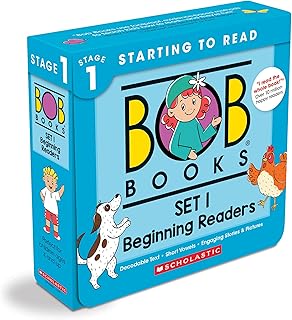
Bob Books Set 1 is a classic starter kit focusing on phonics and gradual decoding. The compact format and controlled vocabulary help new readers practice sounding out short vowels and simple consonant blends. The box set provides a clear progression from single-sound words to basic sentences, making it a reliable foundation for kindergarten literacy. Its approachable layout supports independent reading, with short chapters that students can finish in one sitting.
Pete the Cat 12-Book Phonics Fun!

Pete the Cat 12-Book Phonics Fun! blends short and long vowel sounds with engaging, humorous stories that keep early readers motivated. Each mini-book emphasizes phonics patterns in accessible text, supporting blending and word recognition. The familiar Pete the Cat character adds continuity across titles, which can help young readers predict text and reinforce decoding through repeated word families. A friendly, low-pressure entry point for kids beginning to read independently.
Learn to Read: Sight Words Storybook

Learn to Read: Sight Words Storybook introduces beginner readers to common sight words through short, simple stories and activities. This format supports word recognition beyond phonics and helps students read with greater fluency. The book’s direct approach to sight words complements phonics-focused materials, offering a balanced path to early literacy and boosting confidence during guided reading sessions at home or school.
Pinkalicious 12-Book Phonics Fun!

Pinkalicious 12-Book Phonics Fun! offers a whimsical collection focused on phonics patterns and short- and long-vowel sounds. The stories maintain a light, playful tone that resonates with young readers, while the reader-friendly layouts emphasize decoding practice and sight word exposure. This set is well-suited for daily reading routines, classroom centers, or parent-led reading sessions that aim to build early literacy skills in an encouraging context.
Buying Guide: Key Considerations For Kindergarten Reading Sets
When selecting reading materials for kindergarten, consider the following factors to align with developmental readiness and learning goals:
- Phonics Versus Sight Words: A balanced mix helps children decode unfamiliar words while recognizing common words on sight. Look for sets that blend decodable text with sight-word practice.
- Reading Level Progression: Materials labeled by level (e.g., Level A) provide a clear progression path, supporting gradual skill-building from letter-sound correspondence to simple sentences.
- Text Structure And Predictability: Repetitive sentence patterns, short paragraphs, and predictable endings support confidence and fluency as children learn to read independently.
- Illustrations And Engagement: Bright, relevant illustrations reinforce comprehension and maintain interest without overwhelming the text.
- Home And Classroom Use: Choose resources that come with guidance for parents or teachers, plus activities that extend learning beyond the page.
- Durability And Format: Consider paperback versus boxed sets; boxed sets can offer a curated progression that travels well in backpacks and classrooms.
- Character Continuity: A familiar character across books can improve motivation and help children anticipate text through prior exposure to storyworlds.
Multiple Perspectives On Early Reading Materials
Educators may favor phonics-first approaches for explicit decoding practice, while parents often appreciate the confidence boost from easily readable stories with meaningful context. Encountering a variety of formats—couplets, short stories, and picture-led text—supports diverse learning styles. Some sets emphasize sound-letter correspondences heavily, while others lean into story-driven practice that builds vocabulary and comprehension. A diversified selection can help address differences in attention span, retention, and pronunciation across kindergartners.
Practical Tips For Using These Books
To maximize outcomes, pair reading sessions with light, focused activities. For example, after a decodable page, ask the child to point to words that share the same sound, or to identify which picture hints at the next word. Use repetition to build familiarity, and incorporate quick writing or drawing tasks to reinforce letter-Sound connections. Short, consistent daily practice beats longer, sporadic sessions and helps establish a durable reading habit early in school.