For readers interested in index funds and the philosophy behind low-cost, long-term investing, John C. Bogle’s writings remain foundational. This article highlights five essential books, rooted in Bogle’s principles, that explain index fund strategies, mutual fund dynamics, and practical portfolio construction. Each entry includes why the book matters, key takeaways, and how it fits into a modern investment approach.
| Book | Author / Foreword | Focus |
|---|---|---|
| The Little Book of Common Sense Investing | John C. Bogle | Foundational index investing and the case for low costs |
| Bogle On Mutual Funds | John C. Bogle | Mutual fund structure, fees, and investor guidance |
| Common Sense on Mutual Funds | John C. Bogle, with Foreword by David F. Swensen | Deep dive into indexing, diversification, and fund selection |
| The Bogleheads’ Guide to the Three-Fund Portfolio | Taylor Larimore, with Foreword by John C. Bogle | Simple portfolio built from three broad index funds |
| Stay the Course: The Story of Vanguard and the Index Revolution | John C. Bogle | Historical perspective on the rise of index investing and Vanguard |
Selected Books And Why They Matter
The five selections below are aligned with Bogle’s core beliefs: keep costs low, diversify broadly, and stay patient with a simple, rules-based plan. Each book provides a distinct angle—from practical fund selection to portfolio construction and the broader story of the index revolution. The summaries focus on how readers can apply the ideas to modern personal finance, retirement planning, and long-term wealth strategies.
The Little Book Of Common Sense Investing
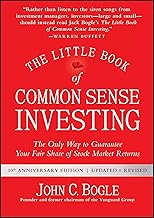
This concise guide presents a clear argument for indexing as the core strategy for individual investors. It emphasizes the importance of low costs, tax efficiency, and broad market exposure through simple, diversified index funds. The book’s practical approach helps readers implement a straightforward plan that aims to “guarantee your fair share of stock market returns” by minimizing fees and turnover. It also discusses the dangers of market timing and the folly of chasing performance, encouraging a patient, long-run mindset aligned with Bogle’s philosophy.
Bogle On Mutual Funds

This work delves into the mechanics of mutual funds, including structure, management, and the impact of fees on long-term results. It provides guidance on evaluating funds, understanding expense ratios, and recognizing the value of index-based options within the broader fund landscape. Readers gain insights into avoiding hidden costs and misaligned incentives, which is essential for constructing an efficient, low-cost investment plan that mirrors Bogle’s recommended approach.
Common Sense On Mutual Funds

Updated for a modern investor audience, this book expands on practical investing decisions while reinforcing the core tenets of indexing and diversification. It discusses fee awareness, the role of index funds in reducing risk through broad exposure, and strategies to balance risk and reward over market cycles. The Foreword by David Swensen adds credibility and ties the mutual fund discussion to enduring wealth-building principles.
The Bogleheads’ Guide To The Three-Fund Portfolio

A practical manual for building a three-fund portfolio using broad market index funds. The approach is intentionally simple: a total stock market fund, a total international stock fund, and a bond fund. The book emphasizes rebalancing discipline, tax efficiency, and avoiding overcomplication, making it a popular choice for both novice and experienced investors seeking a resilient, low-cost strategy that remains faithful to Bogle’s index-centric philosophy.
Stay The Course: The Story Of Vanguard And The Index Revolution

Stay the Course offers a narrative look at Vanguard’s rise and the broader shift toward index-based investing. It provides historical context for why low-cost, passively managed funds gained prominence and how this model transformed the asset management industry. Readers can extract lessons about long-term strategy, the importance of governance, and the impact of investor behavior on outcomes, all grounded in Bogle’s lasting influence on the index revolution.
Buying Guide: Key Purchase Considerations And Comparisons
- Goal alignment: Choose titles that match your experience level and investment goals, whether you seek practical steps (three-fund approach) or deeper understanding of fund mechanics.
- Cost awareness: Prioritize books that emphasize low costs, fee impact, and tax efficiency as central themes.
- Accessibility vs. depth: If you’re new to investing, start with concise guides like The Little Book Of Common Sense Investing. For more detail, explore Common Sense On Mutual Funds or Bogle On Mutual Funds.
- Portfolio implications: The three-fund framework offers a tangible path to apply indexing concepts, while Stay the Course provides historical context for long-term investing decisions.
- Author credibility: John C. Bogle’s authorship across multiple titles provides a cohesive thread on the benefits of index funds and disciplined investing.
- Reader mindset: Look for books that encourage a long-term horizon, discourage market timing, and stress consistency in portfolio rebalancing.
Overall, these works collectively reinforce a core message: sustainable investing success comes from simplicity, cost control, and patience. By adopting a disciplined approach to index funds, investors can align with John Bogle’s enduring guidance and navigate markets with greater confidence.