Exploring how Islam and Christianity intersect, diverge, and converse can clarify beliefs for readers, scholars, and curious minds. This article highlights five influential books that address foundational teachings, historical contexts, and personal journeys between the two faiths. Each section offers key themes, notable perspectives, and practical takeaways for readers seeking a balanced, informative overview.
| Book Title | Author(s) / Editor | Key Focus |
|---|---|---|
| Islam and Christianity: The Choice | Ahmed Deedat | Christian and Islamic perspectives, polemics, dialogue |
| Seeking Allah, Finding Jesus: A Devout Muslim Encounters Christianity | Nabeel Qureshi; Foreword by Lee Strobel | Personal journey from Islam to Christian faith, apologetics |
| Islam and Christianity: Compare Basic Teachings and Beliefs | Rose Publishing | Practical overview of core doctrines side-by-side |
| No God but One: Allah or Jesus?: A Former Muslim Investigates the Evidence for Islam and Christianity | Nabeel Qureshi | Evidence-based comparison, historical context |
| Understanding Islam and Christianity: Beliefs That Separate Us and How to Talk About Them | Josh McDowell; Jim Walker | Dialogues, respectful conversation strategies, core differences |
Islam And Christianity: The Choice

The book by Ahmed Deedat presents a bold, debate-oriented examination of core claims in Islam and Christianity. It foregrounds comparative analysis, highlights similar moral ideas, and challenges readers to consider which worldview aligns more coherently with historical and theological narratives. The author’s approach is confrontational at times, aiming to illustrate how each tradition presents its case to believers and skeptics alike. Readers seeking a polemical perspective may find this volume thought-provoking and provocative.
Key themes include the nature of God, prophethood, the role of Jesus, and the status of scripture. Deedat argues that logical consistency and historical continuity favor certain positions while inviting readers to compare scriptural interpretations. The book functions as a catalyst for dialogue, offering questions to spur further study and discussion. It is useful for those exploring apologetics and cross-faith reflections within a traditional framework.
Seeking Allah, Finding Jesus: A Devout Muslim Encounters Christianity

Nabeel Qureshi shares his personal journey from Islam to Christian faith, offering an inside look at how a devout Muslim navigates questions about Jesus and salvation. The book blends biography with apologetics, presenting conversations, scriptural analysis, and historical context. A foreword by Lee Strobel adds a perspective on evidence-based inquiry and investigative reasoning. The narrative aims to bridge gaps between communities by presenting questions often raised in interfaith dialogue in a thoughtful, accessible way.
Prominent topics include attachment to religious identity, the inroads of Christian claims about Jesus’ divinity, and the way personal experiences influence belief. The author discusses how sources, traditions, and spiritual encounters shape decisions. Readers will find a careful examination of differences and common ground, with emphasis on respectful dialogue and persuasive argumentation. The book is frequently cited in apologetics circles for its balanced, narrative-driven approach.
Islam and Christianity: Compare Basic Teachings and Beliefs
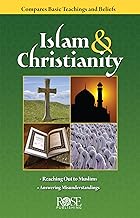
This concise, visually oriented guide from Rose Publishing offers a side-by-side comparison of essential doctrines. It covers God, nature of Jesus, salvation, afterlife, scripture, and religious practice. The format is designed for quick reference and classroom use, making it a practical resource for students, educators, and readers seeking a straightforward, non-confrontational overview. The emphasis is on clarity, with bullet-point contrasts and simple summaries to help readers grasp key distinctions fast.
Readers can expect accessible language, clear diagrams, and a focus on what each faith claims about core topics. The book is well-suited for study groups and for anyone starting to explore interfaith questions in a structured way. It supports readers who value compact, direct information without lengthy debate, while still providing solid context for further exploration.
No God but One: Allah or Jesus?: A Former Muslim Investigates the Evidence for Islam and Christianity

Nabeel Qureshi presents a rigorous examination of Islam and Christianity from the perspective of a former Muslim. The book emphasizes historical evidences, theological claims, and the personal journey of grappling with truth claims. Readers encounter careful argumentation about the nature of God, prophecy, grace, and salvation. The work aims to equip skeptics and believers alike with a thoughtful framework for evaluating religious truth claims, backed by scriptural analysis and historical context.
Key discussions focus on the evidence for Muhammad’s prophethood, the status of the Qur’an, and how Christian claims about Jesus intersect with Jewish and prophetic expectations. The author’s approach blends apologetics with accessible storytelling, making complex topics more approachable for general readers while preserving analytical depth for more serious study.
Understanding Islam and Christianity: Beliefs That Separate Us and How to Talk About Them

Josh McDowell and Jim Walker offer a comprehensive guide to the different beliefs that divide Islam and Christianity, alongside strategies for respectful dialogue. The text presents core doctrinal differences and explores how conversations can be constructive without compromising sensitivity or accuracy. The emphasis on communication techniques helps readers engage in conversations with credibility, empathy, and clarity.
The book covers topics such as the nature of God, Jesus, salvation, scripture authority, and religious practice. It encourages readers to understand the other side’s beliefs before presenting opposing arguments, promoting a balanced approach to interfaith dialogue. The authors draw on historical context and modern examples to illustrate how to navigate conversations about faith in a diverse society.
Buying Guide: Key Purchase Considerations And Comparisons
When selecting books about Islam and Christianity, readers may weigh several factors to match their goals. The following considerations help compare titles across apologetics, personal journeys, and approachable overviews.
- Intent and tone: Do you want a polemical debate, a personal conversion story, or a straightforward comparative handbook? Choose accordingly.
- Depth of analysis: Some books provide dense theological argumentation; others offer concise summaries with visual aids. Consider your preferred reading pace and background.
- Author perspective: Look for authors with clear viewpoints and scholarly rigor. Note any potential biases and how they frame evidence.
- Audience fit: Some titles are geared toward general readers, students, or church groups. Select a book whose level matches your needs.
- Supplemental features: Visual aids, charts, and study guides can enhance comprehension, especially for quick-reference learners.
- Historical context: Works that place claims within their historical settings help readers evaluate the evolution of doctrines and practices over time.
- Interfaith practicality: If the goal is dialogue, prioritize books that emphasize respectful communication and constructive exchange.
In sum, readers should align their selection with desired outcomes—whether building apologetic skills, understanding personal faith journeys, or gaining a balanced overview of core beliefs. The five books highlighted here offer varied routes to explore Islam and Christianity, from historical and doctrinal comparisons to transformative personal narratives. They provide a spectrum of viewpoints designed to support informed, respectful discussion in diverse American communities.