Discover a curated selection of beginner-friendly insect books designed for kindergarteners. These titles blend playful storytelling with science-friendly facts, helping young readers explore creepy-crawlies safely and with curiosity. Each book listed below supports early literacy and early science skills, from identifying common bugs to understanding life cycles and habitats.
| Book | Author/Brand | Amazon Link | Illustration/Format |
|---|---|---|---|
| The Backyard Bug Book for Kids: Storybook, Insect Facts, and Activities | Lauren Davidson (Author) | Link | Text with activities; kid-friendly layout |
| Worm Weather | Jean Taft (Author), Matt Hunt (Illustrator) | Link | Bright illustrations; weather and worm life themes |
| On Beyond Bugs! All About Insects | Tish Rabe (Author), Aristides Ruiz (Illustrator) | Link | Story from Cat in the Hat’s Learning Library |
| I Like Bugs | Margaret Wise Brown (Author), G. Brian Karas (Illustrator) | Link | Simple text with friendly bug drawings |
| Insects | Robin Bernard (Author) | Link | Bright facts for young readers |
The Backyard Bug Book for Kids: Storybook, Insect Facts, and Activities
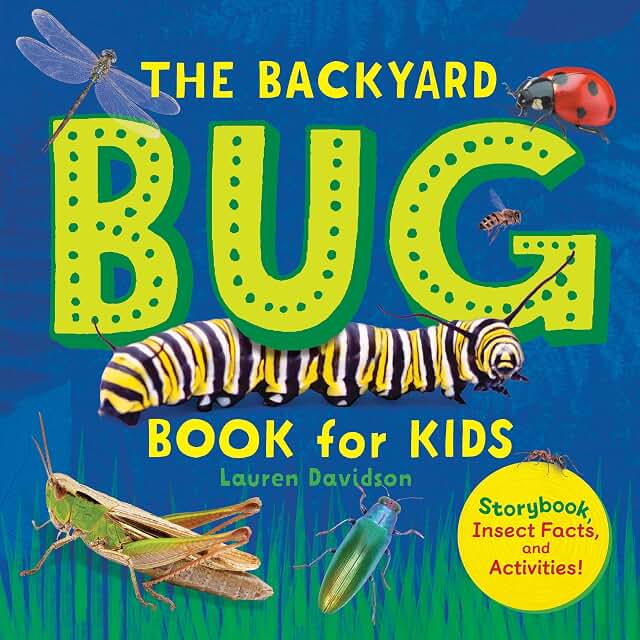
The Backyard Bug Book for Kids combines a narrative format with bug facts and hands-on activities. It introduces common garden insects and presents simple experiments, crafts, and observation prompts suitable for kindergartners. The text is designed to build early reading skills while fostering curiosity about the natural world. Visuals are colorful and approachable, with photos and illustrations that clearly depict each insect’s size and habitat.
Key features include concise bug descriptions, age-appropriate science concepts, and activity ideas that families can do at home or in the classroom. The book encourages observation, questions, and safe exploration of outdoor spaces, making it a strong foundation for early science literacy.
Worm Weather

Worm Weather blends science with playful storytelling to introduce earthworms and weather patterns. The author covers topics like soil health, worm behavior, and the role of decomposers in ecosystems. The narrative is straightforward for early readers, while the accompanying illustrations help kids visualize processes such as rain altering soil moisture and worm movement.
This book supports early literacy through repetitive phrasing and accessible vocabulary. It also offers discussion prompts about daily weather observations and garden chores, encouraging kids to connect reading with real-world observation and a sense of responsibility toward the environment.
On Beyond Bugs! All About Insects

On Beyond Bugs! offers an engaging entry into insect life with a focus on diverse species and ecological roles. The Cat in the Hat’s Learning Library format provides a friendly, rhyming or rhythmic approach that helps emergent readers memorize key facts about insects, their habitats, and how they contribute to the environment. Illustrations are lively, with simple diagrams that reinforce learning without overwhelming early readers.
Readers can practice listening comprehension and early science vocabulary while exploring insect diversity. The book balances narrative elements with factual snippets, making it suitable for small-group reading sessions or independent reading time in kindergarten classrooms.
I Like Bugs

I Like Bugs uses simple sentences and bold illustrations to introduce a variety of insects in a friendly, non-threatening way. The text emphasizes curiosity, observation, and basic insect characteristics, which helps kindergartners begin to categorize bugs by traits such as number of legs, wings, and body segments. The approachable tone supports early readers who are new to science vocabulary.
The book’s format favors short, repeatable phrases ideal for shared reading or teacher-led reading sessions. Its art style is warm and inviting, reducing fear of unfamiliar creatures while sparking enthusiasm for exploration of the outdoors.
Insects

Insects presents a concise, illustrated overview of common bugs and their roles in ecosystems. The text is designed for early readers, with simple explanations of life cycles, habitats, and basic insect anatomy. Illustrations emphasize color, shape, and distinctive features to help kindergarteners recognize and differentiate between species.
As a foundational science book, Insects supports language development through labeling and descriptive language. It’s well-suited for guided reading with a teacher or parent who can model scientific thinking and vocabulary acquisition during read-aloud sessions.
Buying Guide
- Reading level and format: Choose titles with simple sentences, large print, and clear illustrations to support beginner readers and visual learners. Series that pair fiction with fact can reinforce literacy and science concepts simultaneously.
- Content focus: Look for books that emphasize observation, curiosity, and basic ecological ideas such as habitats, life cycles, and the role of insects in ecosystems. Balanced text and visuals help sustain engagement.
- Illustration style: Bright, friendly art with approachable insect representations reduces fear and invites exploration. Consider a mix of photographs and illustrations for variety and realism.
- Interactive elements: Activities, prompts, or simple experiments enhance hands-on learning and retention. Some titles offer at-home activities that align with classroom curricula.
- Durability and page quality: Kindergarten reading may involve rough handling and repeated use. Look for sturdy pages or board pages for longer-lasting use.
- Series and sequencing: If a child enjoys one book, related titles in the same series can reinforce concepts and vocabulary, supporting progressive learning.
- Accessibility: Consider books that use inclusive language and provide context for diverse readers, including bilingual or multilingual households where applicable.
- Educator resources: Teachers may benefit from companion activities or classroom guides that align with early science standards and literacy goals.
These selections provide a balanced approach to early insect literacy, combining narrative storytelling with factual content. The highlighted titles can support at-home learning, classroom read-alouds, and structured science exploration for kindergarten students.