Exploring the human body through comprehensive guides can illuminate how organs, systems, and processes connect. The following five books offer visual explanations, detailed diagrams, and accessible write-ups about the body’s systems—from the nervous and circulatory systems to muscle biology and beyond. Each entry includes key features to help readers choose the best fit for students, educators, or curious readers alike.
| Book | Author/Contributor | Format |
|---|---|---|
| Knowledge Encyclopedia Human Body! | DK (Author), Smithsonian Institution (Contributor) | Hardcover / Reference |
| Human Body: An Illustrated Guide to Every Part of the Human Body and How It Works | Martyn Page (Author) | Illustrated Guide |
| Nervous System Regulation Workbook | Casey J. Bennett (Author) | Workbook / Practical Tool |
| Human Body Theater: A Non-Fiction Revue | Maris Wicks (Author) | Graphic Non-Fiction |
| The Human Body Coloring Book: The Ultimate Anatomy Study Guide | DK (Author) | Coloring / Study Guide |
Knowledge Encyclopedia Human Body!
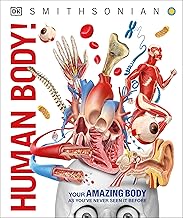
The Knowledge Encyclopedia Human Body! presents a broad survey of anatomy and physiology with vivid visuals, diagrams, and fact-filled spreads. It combines scientific explanations with accessible language appropriate for students and general readers who want a solid grounding in how the body functions. The collaboration with the Smithsonian Institution adds credibility and depth, including sections on systems, health, growth, and medical advances. Readers can expect clear captions, cross-system comparisons, and quick-reference sidebars that make complex topics more approachable.
Human Body: An Illustrated Guide to Every Part of the Human Body and How It Works

This illustrated guide focuses on the anatomy of every body part and explains their functions in a straightforward, visual format. It emphasizes clarity and simplicity without sacrificing accuracy, making it suitable for beginners and intermediate readers. Diagrams, labeled structures, and concise explanations help readers build a mental map of how muscles, bones, organs, and nerves fit together. The book is a practical reference for classrooms, home study, or personal enrichment.
Nervous System Regulation Workbook

This workbook targets the nervous system with practical tools drawn from polyvagal theory, somatic practices, and evidence-based techniques for stress regulation. It’s designed for readers seeking actionable strategies to understand and modulate arousal, anxiety, and resilience. It combines theoretical context with exercises, checklists, and reflection prompts to support ongoing self-management and educational use in health or psychology settings.
Human Body Theater: A Non-Fiction Revue

Human Body Theater uses a graphic-novel style to present real, science-based information about the human body. Its engaging, narrative-driven approach can help readers retain concepts by following personified body parts through a playful, yet educational journey. Suitable for middle-school readers and adults who enjoy comics-style learning, the book blends humor with accurate science and colorful illustrations to explain anatomy, physiology, and common health topics.
The Human Body Coloring Book

The Human Body Coloring Book combines visual learning with active engagement by allowing readers to color anatomical diagrams while absorbing key facts about organ systems, tissues, and physiological processes. It’s a study aid that supports memory through repetitive, hands-on interaction, making it a good choice for visual learners, younger students, or anyone who benefits from a tactile approach to anatomy study.
Buying Guide
Key purchase considerations:
- Visual approach: Choose between richly illustrated guides, graphic novels, or interactive workbooks based on learning style. Illustrated guides are strong for quick reference, while coloring books and workbooks aid retention through active engagement.
- Depth of content: For beginners, entry-level guides with clear diagrams work best. For advanced readers or students, look for books with detailed system-level explanations, terminology, and cross-referencing.
- Audience alignment: Some titles are designed for younger readers or general audiences, while others target students, educators, or health professionals. Match the book’s tone and complexity to the user’s needs.
- Credibility and sources: Books with institutional contributors or respected publishers tend to provide robust factual content and updated medical knowledge, useful for study or classroom use.
- Format and usability: Hardcover or large-format guides are ideal for desk reference and display, whereas compact coloring books or workbooks offer portable study options.
- Supplemental features: Sidebars, glossaries, and quick-reference diagrams can enhance learning, especially for multi-system exploration.
When evaluating these titles, consider whether the reader benefits from a narrative, step-by-step explanations, or an emphasis on hands-on activities. The selected books together cover a spectrum—from factual encyclopedic content and broad overviews to practical tools for learning and stress regulation. This variety helps accommodate different learning goals, whether for academic study, personal curiosity, or classroom use.