Finding engaging gymnastics-themed books helps young readers explore balance, teamwork, and perseverance while fueling a love of physical activity. The selections below highlight stories that celebrate practice, resilience, and kid-friendly athletic skill-building. Each title offers illustrations and simple lessons suitable for early readers and young gymnasts alike. This guide focuses on five accessible options that pair enjoyable narratives with positive messages about trying again, encouraging effort, and celebrating small wins.
Summary of chosen products:
| Book Title | Author/Illustrator | Format | Amazon Link |
|---|---|---|---|
| I’m a Gymnast! (Little Golden Book) | Sue Fliess | Hardcover | View |
| She’s Got This: An Encouraging Story About Trying, Falling, and Getting Back Up for Children (Ages 4–8) | Laurie Hernandez, Niña Mata | Picture Book | View |
| Gymnastics (National Geographic Kids Readers, Level 2) | Sarah Wassner Flynn, National Geographic Kids | Reader | View |
| I’ve Got This! (Perfect Balance Gymnastics Series Book 1) | Melisa Torres, Daniel Ramos | Picture Book | View |
| Gymnastics Jump (Sports Illustrated Kids: Starting Line Readers 1) | CC Joven | Reader | View |
I’m a Gymnast! Little Golden Book

I’m a Gymnast! Little Golden Book introduces early readers to basic gymnastics concepts through friendly, approachable language and bright illustrations. The book focuses on simple movements, balance, and the joy of trying new things, making it a suitable pick for preschoolers and kindergartners beginning their fitness journeys. The concise text supports early reading skills while reinforcing positive attitudes toward practice and perseverance.
Key strengths include age-appropriate vocabulary, familiar character experiences, and gentle encouragement to practice safely. This title aligns well with classroom read-alouds or family reading time, offering a quick, engaging entry point into the world of gymnastics for young children.
She’s Got This: Encouraging Story For Kids

This title follows a relatable journey of trying, falling, and getting back up, ideal for children ages 4–8. The collaborative authorship by Laurie Hernandez and Niña Mata creates a motivational narrative that centers resilience, perseverance, and the importance of support from friends and family. The story uses gymnastics-themed scenarios to illustrate how effort and a positive mindset can lead to improvement, making it a meaningful choice for readers curious about athletic challenges.
The book balances encouragement with realistic moments of challenge, supporting children in understanding that mistakes are part of learning. Readers can draw parallels to their own practices, whether in sports, arts, or school activities, reinforcing a growth mindset.
Gymnastics (National Geographic Kids Readers, Level 2)
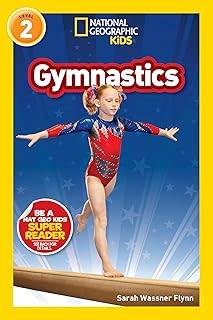
National Geographic Kids Readers Level 2 presents a child-friendly exploration of gymnastics through engaging facts and accessible text. This level-appropriate book supports early readers with a gentle emphasis on safety, basic terminology, and the roles of different apparatus. The inclusion of vivid imagery helps kids visualize movements and apparatus while absorbing foundational knowledge about the sport.
As a non-fiction option, it complements story-based titles with factual content, ideal for reluctant readers or kids who want clear, practical information alongside narrative. The book can assist families in planning related activities or discussions about gym routines and teamwork in the gym environment.
I’ve Got This! Perfect Balance Gymnastics Series

I’ve Got This! is the first entry in the Perfect Balance Gymnastics series, offering a kid-friendly story that centers on balance, focus, and practice. The narrative emphasizes gradual skill-building and celebrating small achievements, which can help children set personal goals in a non-pressured way. The combination of illustrations and accessible text supports emerging readers while reinforcing the value of consistent effort.
Illustrations accompany simple coaching concepts, making it a practical pick for families seeking a motivational tale alongside visual cues for practicing at home or in a gym setting. The book’s tone remains encouraging without becoming overwhelming, suitable for younger readers who are developing confidence in their abilities.
Gymnastics Jump (Starting Line Readers)

Gymnastics Jump adapts the Sports Illustrated Kids Starting Line Readers format to offer a quick, engaging overview of gymnastic movements and terminology for early readers. The clear, concise text pairs with action-filled imagery to capture attention and convey foundational concepts such as jumping, landing, and balance. This title is well-suited for new readers who enjoy sports-centered content with a focus on skill progression.
The narrative encourages curiosity about gymnastics while providing context for how practice translates to better performance, which can help motivate kids to try new skills and maintain a steady practice routine at home or in class.
Buying Guide
Age and Reading Level
Choose books aligned with the child’s reading ability and interest. Picture books suit younger kids, while National Geographic Readers and Starting Line format can support early independent readers with straightforward facts and short chapters.
Content Type
Mix fiction and non-fiction to balance storytelling with factual information. Story-driven titles promote motivation and resilience, while factual guides reinforce vocabulary and gymnastic concepts.
Illustrations and Visual Cues
Bright, dynamic illustrations help kids visualize movements and apparatus. Guides with step-by-step diagrams complement narratives and support kinesthetic learning styles.
Message and Tone
Look for positive, age-appropriate messages about effort, practice, perseverance, and safety. Avoid books that may unintentionally discourage trying new things or that depict overly competitive pressure.
Intent and Use Case
Consider how you’ll use the book: bedtime reading, classroom read-alouds, or as a resource for gym class activities. Short reads work well for quick discussions, while longer texts can support extended conversations about goals and routines.
Durability and Format
For younger readers, sturdy formats like board books or hardcover editions with durable pages are advantageous. Look for print quality that holds up to repeated handling and potential classroom use.