Whether you’re a high school standout, college athlete, or recreational runner aiming for personal bests, the right cross country books can unlock better training, nutrition, and race-day planning. This guide highlights five highly regarded titles that cover technique, endurance, injury prevention, and event strategy. Each entry includes a quick overview and practical takeaways you can apply this season.
| Title | Author / Brand | Key Focus |
|---|---|---|
| Runner’s World How to Make Yourself Poop: And 999 Other Tips All Runners Should Know | Meghan Kita, Editors of Runner’s World | Practical tips for runners, everyday performance hacks |
| HowExpert Guide to Cross Country Running: 101 Tips | HowExpert, Elliot Redcay | Fundamentals of cross country, training routines, nutrition |
| Training Young Distance Runners | Larry Greene, Russell R. Pate | Youth development, progressive programming, safety |
| 101 Developmental Concepts & Workouts for Cross Country Runners | Jason R Karp | Structured workouts, periodization, race preparation |
| Cross-Country Running: The Best Training Plans for Peak Performance | Jeff Galloway | Structured plans for multiple race distances |
Note: The selections emphasize practical guidance, progressive training, and strategies suited for American runners seeking efficiency, injury prevention, and consistent improvement across cross country seasons.
Runner’s World How To Make Yourself Poop And 999 Other Tips

This book blends humor with practical runner-centric insights, offering a broad range of everyday tips that impact training consistency, digestion, and comfort during long runs. While the subject matter may seem light, the underlying aim is to support consistent mileage and recovery through accessible, evidence-informed guidance. Runners can scan chapters for quick wins, follow simple routines, and adapt findings to their own schedules. The text emphasizes sustainable habits that help athletes maintain weekly mileage without overcomplicating routines.
Key takeaways include practical tips for digestion and energy management, a focus on routine-building, and quick reference sections that fit into busy training weeks. The format makes it easy to pick up for a lucid, short read, or to dip into for targeted advice during peak training periods. It complements more technical training literature by addressing day-to-day resilience and comfort on long runs and recovery days.
HowExpert Guide To Cross Country Running

This guide consolidates foundational cross country principles into 101 actionable tips. It covers training structure, endurance-building, nutrition basics, injury prevention, and competitive strategy. Readers will find clear, stepwise advice suitable for beginners and intermediate runners who want a solid framework for weekly workouts and race preparation. The content emphasizes consistency, smart progression, and the importance of balancing hard sessions with recovery to sustain improvement through a cross country season.
Practical sections include pacing strategies, warm-up routines, and test milestones to gauge progress. It’s a compact reference that can be carried into practice, helping athletes stay focused on core fundamentals while gradually increasing volume and intensity. For coaches, it provides a concise repository of tips that can be shared with athletes new to the sport or returning after a layoff.
Training Young Distance Runners

This book targets development for younger athletes, detailing progressive programming, injury prevention, and age-appropriate workouts. It provides insight into coaching methods, evaluating readiness, and gradually increasing training stress to build endurance and speed without compromising safety. The authors emphasize listening to young athletes’ bodies, balancing volume with rest, and integrating sport science principles in an accessible format for coaches and parents.
Readers will find practical sample workouts, season planning tips, and guidance on how to structure adolescence into long-term athletic growth. The text aligns with best practices for youth sport development, including emphasis on technique, fueling strategies, and monitoring for signs of overtraining. It serves as a reliable resource for families and clubs seeking a thoughtful approach to cultivating cross country talent early in an athlete’s career.
101 Developmental Concepts & Workouts for Cross Country Runners
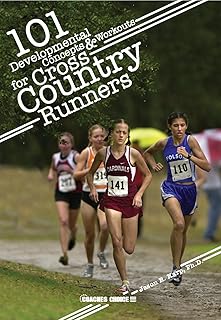
Jason R. Karp provides a structured approach to cross country development, focusing on periodization, race-pace work, tempo runs, and strength routines. The book outlines progressive blocks designed to build endurance, speed, and resilience across a season. It also highlights testing protocols, injury prevention, and recovery strategies to maintain consistency and reduce the risk of burnout.
Key sections offer practical templates you can adapt for high school, college, or club teams. Coaches and athletes can use the concepts to tailor year-round programs, plan peak race windows, and adjust intensity based on progress and feedback. The emphasis on measurable milestones helps teams stay motivated while adhering to safe training progression.
Cross-Country Running: The Best Training Plans

Jeff Galloway presents practical training plans aimed at peak performance across common cross country distances. The approach often emphasizes run-walk strategies, organized progression, and race-day readiness. The plans are designed to be flexible, accommodating varying fitness levels and schedules, while providing a clear pathway to faster 5K, 1500m, 200m, and 10K events.
The book’s strength lies in translating endurance principles into approachable frameworks that can be implemented by individuals or teams. It also discusses pacing, race tactics, and injury prevention to help runners sustain high mileage with lower risk. For readers seeking ready-made templates, this title offers a straightforward, adaptable roadmap through a season of training blocks.
Buying Guide: Key Purchase Considerations For Cross Country Runners
- Target audience and experience level: Look for books that match your current stage, whether you’re new to cross country, a high school athlete, or a veteran racer expanding into endurance and strategy.
- Training philosophy: Books vary from technique-focused to periodized plans and run-walk strategies. Choose one that aligns with your coach’s approach and your personal goals.
- Practicality and tests: Favor titles with ready-to-use workouts, pacing charts, and measurable milestones you can track week by week.
- Injury prevention and recovery: Prioritize resources that address safe progression, strength routines, and recovery practices to minimize time lost to injuries.
- Age and development considerations: For younger athletes, books that emphasize gradual progression and safety are essential; for adults, seek advanced strategies and race-specific plans.
- Format and usability: Compact guides with clear sections and quick-reference tips can be more useful during busy training cycles than dense manuals.
- Evidence base: Prefer authors with coaching experience or sports science grounding to ensure recommendations reflect established practices.
- Coaching compatibility: If you coach others, select books with templates and sample workouts you can adapt across teams and levels.
- Comparing breadth vs. depth: Some books cover a wide range of topics with quick tips, while others dive deeply into periodization and progression. Decide whether you want a reference you can skim or a comprehensive training bible.
- Cost vs. value: Consider the long-term value of a book as a mentor substitute; the best choices offer adaptable plans and repeatable strategies across multiple seasons.
- Supplemental resources: Look for companion workbooks, printable workouts, or online updates that extend the book’s usefulness.
These perspectives help structure a balanced buying decision. The selected titles collectively address foundational knowledge, practical training templates, and youth development, enabling athletes and coaches to build a cohesive cross country program that remains adaptable to changing conditions and goals.