For young readers exploring soccer, picture books, early readers, and kid-friendly biographies can spark interest, teach teamwork, and celebrate perseverance. This article highlights five engaging titles that balance fun with fundamental soccer concepts, making them ideal for ages 4–9 and ready-to-read audiences. Each pick combines lively illustration with accessible text to foster early literacy while nurturing a love for the game.
Summary at a glance: the following five titles cover playful introductions, beginner game basics, photo-filled explorations, inspiring player biographies, and accessible early-reader stories about teamwork on the field. All selections emphasize positive attitudes, practice, and sportsmanship, helping kids see soccer as a rewarding, inclusive activity.
Product Highlights Overview
| Title | Author/Illustrator | Key Idea |
|---|---|---|
| Curious George Plays Soccer: A Playful Introduction to Soccer | H. A. Rey (Author) | Lighthearted entry with mischievous George learning basic soccer concepts |
| Goal! My First Soccer Game (My First Sports Books) | Tanner Ryan (Author), Bowers Studio (Illustrator) | Simple game day narrative introducing rules and positions |
| National Geographic Kids Everything Soccer | Blake Hoena (Author) | Photo-packed exploration of soccer facts, history, and culture |
| The Soccer Adventure of Ronaldo: Illustrated Soccer Book for Kids 5–9 | Andrew Carter (Author), Victoria Iver (Illustrator) | Biography-style tale focusing on hard work and belief in oneself |
| The Berenstain Bears: We Love Soccer! (I Can Read Level 1) | Mike Berenstain (Author, Illustrator) | Early reader story celebrating teamwork and enthusiasm for the game |
Curious George Plays Soccer: A Playful Introduction to Soccer

The Curious George title uses a familiar, humorous tone to introduce basic soccer ideas. The adventures of George help young readers grasp simple concepts like kicking with the inside of the foot, following directions, and taking turns. The narrative reinforces curiosity and a positive attitude toward learning new skills, making it a friendly first-step read for children new to the sport. The playful illustrations align with early literacy goals while keeping the soccer focus approachable for kindergartners and first graders.
Key features include short, manageable pages, gentle humor, and clear demonstrations of social aspects like sharing equipment and cheering teammates. The book’s approachable vocabulary supports beginner readers, and its familiar character helps reduce anxiety about trying something new. It serves well as a bridge between picture books and beginner sports nonfiction.
Goal! My First Soccer Game (My First Sports Books)
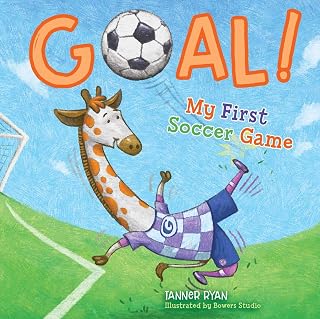
This beginner-friendly title guides new players through a typical game day, from warm-ups to the final whistle. Its simple sentences and clear illustrations introduce positions, basic rules, and the flow of a match, making it ideal for emergent readers who want to understand what happens on the field. The book also emphasizes sportsmanship, teamwork, and celebrating small successes, which helps children build confidence as they practice skills at practice and on the playground.
Readers will appreciate the concise explanations of concepts like passing, dribbling, and keeping time with teammates. The narrative is designed to be read aloud by parents and educators, supporting early literacy while reinforcing a positive, non-competitive mindset that values effort and participation over winning at any cost.
National Geographic Kids Everything Soccer: Score Tons of Photos, Facts, and Fun

Dedicated to curious minds, this National Geographic title blends vibrant photographs with accessible text to deliver a visually engaging overview of soccer. Topics include the history of the sport, famous players, equipment, and key terms. It’s well-suited for independent readers and curious kids who enjoy learning with real-world visuals. The photo-driven format helps develop vocabulary and fosters a deeper appreciation for the sport’s global reach.
For teachers and parents, the book offers concise fact sections, sidebars, and quick quizzes that reinforce comprehension without overwhelming younger readers. The engaging layout supports both classroom use and home reading, making it a strong reference for projects or family-friendly soccer activities. It balances excitement with educational content, ensuring broad appeal across ages 6–9.
The Soccer Adventure of Ronaldo: Illustrated Soccer Book for Kids 5–9

This biography-style story follows a young reader’s journey inspired by Cristiano Ronaldo’s work ethic and mindset. The narrative emphasizes perseverance, disciplined practice, and the belief that effort leads to improvement. The illustrated format makes complex ideas accessible to 5–9-year-olds, while the inspirational angle can motivate kids to set personal goals in sports and other activities.
Educational value includes a focus on resilience, time management, and structured practice. The book also provides opportunities for discussions about role models, healthy competition, and balancing training with rest. For classrooms, it can serve as a talking point about goal setting and the value of incremental growth over overnight success.
The Berenstain Bears: We Love Soccer! (I Can Read Level 1)

This early reader installment follows the familiar Bear family as they discover the joys of playing soccer together. The text is crafted for emerging readers, with simple sentences, repetitive phrasing, and gentle humor. The story centers on teamwork, fair play, and enthusiasm for the sport—values that align well with parental guidance and classroom expectations for social-emotional learning in sports contexts.
Illustrations accompany accessible dialogue, making it a strong choice for parents seeking a friendly entry-point into sport-themed literacy. It also provides a safe platform for discussing what it means to try hard, cheer for teammates, and handle both wins and missteps with a positive attitude.
Buying Guide: Key Considerations for Choosing Soccer-Themed Children’s Books
When selecting soccer-themed titles for kids, consider the following factors to match reading levels, interests, and developmental goals:
- Reading level and format: Choose picture books for ages 4–6 and early readers (I Can Read/Step into Reading) for ages 6–8. Photo-heavy nonfiction suits curious readers who prefer visuals alongside facts.
- Illustrations and design: Vibrant art supports engagement, while clean layouts with clear captions help early readers decode text more easily.
- Content focus: Decide between beginner concepts (drills, rules, equipment) and more aspirational themes (perseverance, teamwork, role models). Mixing fiction with factual content can create a well-rounded reading experience.
- Sportsmanship and inclusivity: Seek stories that emphasize teamwork, fair play, and respect for fellow players, including diverse characters and abilities.
- Biographies and inspiration: Biographical titles offer real-world role models and can spark ongoing curiosity about sports careers and dedication beyond the page.
- Durability and format durability: For younger readers, look for sturdy picture books or board books with reinforced bindings that withstand frequent handling and classroom use.
- Curriculum alignment: For classroom or library use, opt for titles that tie into health, physical education, or social-emotional learning objectives.
- Series potential: If kids enjoy a particular character or format, consider additional titles in the same series to build reading confidence and interest.
Depth of content varies across titles. Some books prioritize simple skill introductions and social play, while others explore broader cultural aspects of soccer or showcase memorable players. Parents and educators can tailor reading selections to a child’s interests—whether they are most excited by playful antics, fast-paced game action, or inspirational biographies.