Delving into chess openings blends theory with practical play. This guide highlights five essential books that cover opening concepts, strategic planning, and how to convert early advantages into results. Each entry includes core strengths, what players can gain, and how it complements on-board practice. Use these resources to balance study with real-game application and to compare classical ideas with modern approaches.
| Book | Author/Editor | Focus |
|---|---|---|
| Chess Openings Theory and Practice | I. A. Horowitz et al. | Foundations, historical context, classic openings |
| Modern Chess Openings, 15th Edition | Nick de Firmian | Comprehensive reference of mainstream lines |
| Openings for Amateurs – Theory vs Practice | Pete Tamburro | Accessible concepts, practical decision points |
| How to Win at Chess | Levy Rozman | Beginner-to-intermediate guidance, practical play |
| Bobby Fischer Teaches Chess | Bobby Fischer et al. | Foundational tactics, pattern recognition |
Chess Openings Theory and Practice

The book by I. A. Horowitz and contributors assembles classic opening theory with practical commentary. It emphasizes understanding opening principles, historical context, and how early moves shape middlegame plans. Readers gain a foundation in evaluating typical structures and identifying plans that work across different defenses. The diverse authorship brings varied perspectives, helping players recognize recurring motifs, typical pawn structures, and tactical motifs that arise from well-trodden lines.
Modern Chess Openings, 15th Edition
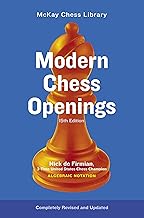
Modern Chess Openings provides a concise reference to mainstream openings and their typical ideas. It serves as a quick consult for players at all levels who want reliable line choices and clear explanations of typical middlegame plans. While dense with lines, the book also notes strategic themes, common mistakes, and adjustments against popular defenses, making it useful for rapid game preparation and in-game decision-making.
Openings for Amateurs – Theory vs Practice

Pete Tamburro’s Openings for Amateurs bridges theoretical depth with practical decision points. The book is designed for players who want to understand the rationale behind opening choices and how to adapt plans to opponents’ setups. It emphasizes customizable strategies over rigid memorization, helping players select lines that suit their style and the specific opponent they face.
How to Win at Chess: The Ultimate Guide for Beginners and Beyond

Levy Rozman’s guide presents a structured pathway from beginner to intermediate mastery, with a clear emphasis on opening selection that aligns with overall strategy. It covers common pitfalls, practical ideas for building a solid repertoire, and how to translate opening knowledge into consistent middle-game plans. Readers can expect actionable drills and examples to reinforce learning in realistic game contexts.
Bobby Fischer Teaches Chess

Bobby Fischer Teaches Chess emphasizes pattern recognition and tactical motifs through a self-instructive, problem-oriented format. While not exclusively an opening manual, the book strengthens the foundation needed to understand common opening traps, typical tactical responses, and how early decisions influence the course of the game. It complements more theory-heavy works by reinforcing practical calculation skills.
Buying Guide: Key Opening Considerations
- Player level and goals: Beginners may prefer guides focusing on fundamental principles and simple repertoires, while advanced players seek in-depth analysis of specific openings and modern trends.
- Repertoire focus: Decide between broadly accessible opening principles, classical mainlines, or specialty lines tailored to your preferred playing style (tactical vs. strategic).
- Practical vs. theoretical balance: Some books emphasize memorization of lines; others stress understanding concepts and plans. A balanced mix supports flexible decision-making.
- Opponent adaptation: Look for resources that discuss how to adjust openings based on opponent tendencies and available middlegame plans, not just moves on the board.
- Illustrative examples: Books with annotated games, diagrams, and annotated key positions help solidify understanding and memory.
- Update frequency: Openings evolve. Favor titles that reflect contemporary practice or provide guidance on how to adapt older lines to modern play.
- Supplemental tools: Consider whether additional resources such as online databases, training programs, or interactive exercises complement the book’s material.
In selecting these five works, the goal is to offer a spectrum—from foundational theory and historical context to practical guidance and beginner-to-intermediate strategies. Players can mix readings to build a solid repertoire while strengthening tactical awareness and decision-making under pressure. The combination supports both study discipline and on-board adaptability, essential for steady improvement in opening play.