Discover effective, science-based workbooks designed to help adults reframe thoughts, regulate emotions, and build healthier habits. The following selections offer structured exercises rooted in cognitive behavioral therapy (CBT) and related approaches, helping readers apply techniques in daily life. Each entry includes core benefits, suitable use cases, and a quick reference to key features. Use this guide to compare practical home-study tools aimed at reducing worry, improving mood, and boosting self-efficacy.
| Product | Author/Brand | Format |
|---|---|---|
| The CBT Workbook for Mental Health | Simon Rego PsyD, Sarah Fader, Jonathan E. Alpert MD PhD | Workbook |
| Retrain Your Brain: Cognitive Behavioral Therapy in 7 Weeks | Seth J. Gillihan PhD | Workbook |
| The Dialectical Behavior Therapy Skills Workbook | Matthew McKay PhD, Jeffrey C. Wood PsyD, Jeffrey Brantley MD | Workbook |
| 28-Day CBT Workbook for Adults | Calvin Caufield | Daily Guide |
| The Complete CBT Workbook for Adults with ADHD | Grace Ryan | Workbook |
Each featured title targets common struggles—anxiety, depression, self-esteem, ADHD-related stress—and provides actionable steps, worksheets, and journaling prompts. Consider your schedule, preferred pace, and whether you want a broad mood-management toolkit or targeted skills (e.g., DBT for emotion regulation). The selections below emphasize practicality, user-friendliness, and evidence-based strategies suitable for adult readers seeking sustainable change.
The CBT Workbook for Mental Health — Comprehensive CBT Exercises
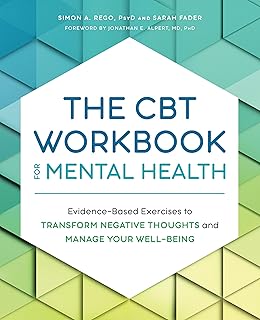
The CBT Workbook for Mental Health provides a suite of evidence-based exercises designed to transform negative thought patterns and enhance overall well-being. Target topics include cognitive restructuring, behavioral activation, and mood tracking. The workbook format supports structured practice, making it suitable for adults seeking a clear, step-by-step approach to reduce rumination and improve daily functioning. The authors bring clinical expertise to approachable activities that can be completed independently or with minimal guidance.
Key features drawn from the book’s scope include: evidence-based CBT techniques, exercises aimed at managing anxiety and depression, and practical strategies for maintaining gains over time. The content is organized to support readers in identifying triggers, reframing automatic thoughts, and building healthier behavioral responses. This title is appropriate for individuals seeking a robust, scientifically grounded self-help resource.
Retrain Your Brain: CBT in 7 Weeks

Retrain Your Brain offers a seven-week plan to apply cognitive behavioral techniques for managing depression and anxiety. Designed for adults seeking a structured program, this workbook provides weekly modules, practice activities, and progress monitoring to reinforce skill development. Readers can work at their own pace while building a toolkit for identifying maladaptive thought patterns and replacing them with healthier cognitions and behaviors.
Highlights include: concise weekly curricula, practical CBT exercises oriented toward real-life scenarios, and emphasis on sustainable habit formation. This title is well-suited for those who prefer a clear timeline and measurable milestones as they build resilience and emotional regulation skills.
The Dialectical Behavior Therapy Skills Workbook

The Dialectical Behavior Therapy (DBT) Skills Workbook offers practical exercises across four core skill sets: mindfulness, interpersonal effectiveness, emotion regulation, and distress tolerance. While rooted in DBT, the workbook complements CBT-informed approaches by teaching strategies to tolerate stress, improve communication, and regulate intense emotions. This resource is valuable for adults facing ongoing emotional volatility, relationship challenges, or chronic stress.
Key elements include: structured skill drills, real-world scenarios, and activities designed to build long-term emotional balance. The workbook is appropriate for readers seeking additional tools beyond traditional CBT, particularly for those who benefit from concrete interpersonal and mindfulness practices integrated with cognitive strategies.
28-Day CBT Workbook for Adults

This 28-Day CBT Workbook for Adults lays out a straightforward daily routine that fits into busy schedules. The program emphasizes quick, actionable CBT techniques—often taking about 15 minutes a day—to rewire thought processes, address anxiety, improve mood, and bolster self-esteem. The short daily sessions make it accessible for beginners and those who prefer a low-commitment entry point into CBT practice.
Notable aspects include: a focused daily structure, emphasis on practical application, and friendly guidance that supports consistency. The approach aims to reduce avoidance behaviors and foster proactive coping during stressful periods, with a design suitable for readers seeking steady, manageable progress over a month.
The Complete CBT Workbook for Adults With ADHD

The Complete CBT Workbook for Adults with ADHD focuses on using cognitive-behavioral techniques to reduce stress, manage symptoms of ADHD, and improve daily functioning. The workbook aims to help readers develop organizational skills, time management strategies, and cognitive reframing to enhance mood and confidence. It is suited for adults who experience ADHD-related worry, impulsivity, or executive function challenges that affect mental health.
Core benefits include: structured exercises tailored to ADHD, strategies to minimize rumination, and practical steps to build self-efficacy. This resource is particularly relevant for individuals seeking targeted CBT approaches that address attention and behavioral regulation within a broader mental health framework.
Buying Guide
When choosing a CBT workbook for adults, consider the following factors to align with individual needs and goals:
- Therapy alignment: Decide whether you want a broad CBT toolkit, DBT skills, or ADHD-focused strategies. The 5 books above cover all three domains, with varying emphasis on mindfulness, emotion regulation, and cognitive restructuring.
- Structure and pace: Some readers prefer a weekly plan (7 weeks), while others want daily exercises (28 days). Assess your commitment and preferred rhythm for practice.
- Depth and complexity: If you are new to CBT, start with more introductory prompts and clear journaling guidance. More advanced readers may benefit from in-depth worksheets and self-assessment tools.
- Applicability to daily life: Look for exercises tied to real-world scenarios—work stress, relationships, sleep, and routine habits—to maximize transfer of skills outside the workbook.
- Accessible language: Choose titles that explain concepts in straightforward terms and provide examples that reflect everyday experiences.
- Supplementary resources: Some books include worksheets, charts, and progress trackers. If you value visual aids, prioritize titles with clear visuals and structured templates.
- Format and usability: If portability matters, consider print-ready formats or compact workbooks you can carry. Digital formats may offer interactive features and searchability.
For best results, select a workbook whose approach resonates with your personal preferences, whether you favor rapid daily exercises, a longer-form CBT program, or a combination of CBT and DBT skills. Consistency in practice typically yields stronger outcomes, and pairing workbook work with professional guidance can enhance safety and effectiveness, especially for complex mental health concerns.