Exploring General George S. Patton’s life and leadership offers insight into a transformative era of military history. This guide highlights five essential books that examine Patton’s strategies, decisions, and legacy—from battlefield decisions to leadership principles. Each selection includes a quick profile and what to expect from the narrative and scholarship.
| Book | Author/Editor | Format | Link |
|---|---|---|---|
| War As I Knew It | George S. Patton; Paul D. Harkins (Editor); Rick Atkinson (Introduction) | Hardcover | Amazon Link |
| Patton: Ordeal and Triumph | Ladislas Farago | Paperback / Kindle Edition | Amazon Link |
| General Patton’s Principles for Life and Leadership | Porter B Williamson | 5th Edition | Amazon Link |
| Patton’s Prayer: A True Story of Courage, Faith, and Victory in World War II | Alex Kershaw | Hardcover | Amazon Link |
| George S. Patton: The Entire Life Story of an Outstanding General | The History Hour | Great Biographies | Amazon Link |
War As I Knew It — Patton’s Own Reflections And Context

This volume presents George S. Patton’s firsthand perspectives on battle and strategy, complemented by editorial context from Paul D. Harkins and an introduction by Rick Atkinson. It provides a candid view of Patton’s decisions under fire, highlighting the mindset of a battlefield commander. The book blends Patton’s own notes with thoughtful interpretation, making it a valuable reference for students of World War II and leadership practice.
Key features: primary-source material from Patton, editorial insights, and a modern introduction that situates the commander within broader military history. Readers can gain a sense of Patton’s priorities—rapid mobility, aggressive offense, and clear command presence—and how those traits translated into complex campaigns.
Patton: Ordeal and Triumph — A Comprehensive Biography

Ladislas Farago’s profile offers a thorough, narrative-driven account of Patton’s career from early service through the European campaigns. The Kindle edition expands accessibility for readers seeking a portable, in-depth study of Patton’s leadership style, battlefield decisions, and the evolution of his command philosophy. The biography balances accomplishments with challenges, providing a nuanced view of Patton’s impact on World War II operations.
Key features: detailed chronology, analysis of campaign decisions, and a focus on leadership under pressure. This work is useful for readers seeking to understand not just events, but the rationale and contingencies behind major operations.
General Patton’s Principles for Life and Leadership

Porter B. Williamson distills Patton’s leadership approach into actionable principles for life and management. While rooted in military experience, the book translates Patton’s decisiveness, discipline, and practical realism into guidance applicable to business, education, and personal development. It serves as a concise reference for readers assessing leadership styles that emphasize initiative and resilience.
Key features: clearly organized leadership principles, practical takeaways, and a focus on how Patton’s methods can inform modern leadership challenges. This volume is ideal for readers seeking a concise, principle-driven portrayal of Patton as a leader beyond the battlefield.
Patton’s Prayer: Courage, Faith, And Victory

Alex Kershaw explores the spiritual and moral dimensions of Patton’s wartime experience, presenting a narrative that includes moments of personal reflection, courage, and faith. The study places religious and ethical considerations within the context of strategic decision-making, offering a broader perspective on how belief systems can influence leadership and perseverance in high-stakes environments.
Key features: integration of personal faith with military leadership, compelling storytelling, and examination of moral courage under pressure. This title complements more tactical biographies by addressing the human side of a high-command figure.
George S. Patton: The Entire Life Story
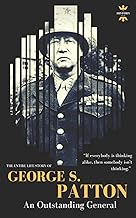
The History Hour presents a broad biographical sweep that traces Patton’s life from early years to the end of his public career. This overview includes discussion of his personality, strategic evolution, and public perception. The biography synthesizes historical contexts with Patton’s own actions, offering a comprehensive portrait suitable for readers new to Patton and seasoned historians alike.
Key features: wide chronological scope, balanced portrayal, and integration of personal and public dimensions of Patton’s life. It serves as a solid entry-point for readers seeking a broad understanding of the general’s career and influence.
Buying Guide: Key Considerations For Patton Biographies
Purpose and scope: Decide whether you want memoir-based perspectives, full biographies, or leadership-focused analyses. Primary-source works offer direct insight, while biographical syntheses provide context and analysis.
Author credibility: Evaluate editor notes, introductions, and scholarly credentials. Works with multiple editors or historians may present a more balanced view, whereas single-author biographies can offer a cohesive narrative voice.
Time period coverage: Some books emphasize World War II campaigns, others explore Patton’s early life or late career. Choose a focus that matches your interest in campaigns, leadership, or personal beliefs.
Perspective and tone: Biographies range from hagiographic to critical. If you want objective analysis, look for works that discuss controversies and conflicting assessments alongside achievements.
Format and accessibility: Consider whether you prefer hardcover, paperback, or digital editions. Kindle or e-book formats can be more portable for extensive reading sessions.
Contextual materials: Some books include introductions, appendices, and primary documents that illuminate strategy, doctrine, and decision-making. These materials can enrich understanding for students and researchers.
Reading order: For a well-rounded view, start with a broad life overview and then dive into campaign-focused studies. This approach helps connect personal development with military operations and outcomes.
Target audience: General readers benefit from engaging narratives, while students and researchers may seek deeper analyses, citations, and historiographical discussions. Choose accordingly to match your goals.
Accessibility: If you prefer non-fiction that blends narrative storytelling with factual rigor, look for titles that balance readability with critical appraisal and evidence.