For physical therapy students, a well-chosen library accelerates learning, reinforces clinical reasoning, and supports board exam readiness. The following five books cover anatomy, pain science, body maintenance, exercise prescriptions, and a touch of relatable humor to keep motivation high. The recommended titles blend foundational knowledge with practical application, helping students bridge classroom theory with real-world patient care. Use this guide to compare options and select reads that fit your coursework and career goals.
| Book | Author(s) / Editor | Focus Area |
|---|---|---|
| Built from Broken | Scott H Hogan (Author) | Joint health, injury prevention, body rebuilding |
| The American Physical Therapy Association Book of Body Maintenance and Repair | Steve Vickery (Author), Marilyn Moffat (Author), Anna Montague (Editor) | Body maintenance, injury prevention, rehab basics |
| Understanding, Evaluating and Treating Pain for the PT and PTA Student | Adriaan Louw PT PhD (Author), Emilio Puentedura (Contributor), Stephen Schmidt (Contributor), Kory Zimney (Contributor) | Pain science, assessment, treatment strategies |
| Student’s Anatomy of Exercise Manual | Ken Ashwell Ph.D. (Author) | Exercises, movements, and program design |
| Physical Therapy Dad Jokes | Dr. Andrew Tran (Author), Christine Boucher (Editor), Dr. Naureen Imam (Illustrator) | Lighthearted perspective, clinical humor |
Below are detailed overviews of each selected title, including key features and how they support study workflows—from quick reference checks during clinical skills labs to deeper dives during exam prep. Each section highlights practical takeaways and how the book complements typical physical therapy curricula.
Built From Broken: A Science-Based Guide

The book emphasizes a science-based approach to healing painful joints, preventing injuries, and rebuilding the body after strain. It weaves biomechanics with practical rehabilitation strategies, making it a strong companion for students who want to translate theory into actionable treatment plans. Readers can expect clear explanations of tissue mechanics, load management, and progressive exercise progressions that support conservative care. The author’s emphasis on evidence-informed practice aligns with common PT program objectives and can help students articulate rationale during clinical exams and practicals. Use this title to reinforce a critical thinking framework for patient education and home exercise program design.
The American Physical Therapy Association Book of Body Maintenance and Repair

This guide focuses on practical concepts for maintaining functional capacity and preventing injuries, making it a valuable reference for students building prevention-based care plans. The book covers fundamental topics such as mobility, stability, and tissue tolerances, with approachable explanations suited for busy study periods. It complements coursework on musculoskeletal assessment and therapeutic exercise by offering concise, actionable pointers that students can integrate into case simulations and patient education scripts. The editor-led sections help readers understand how to translate theory into routine clinical practice and everyday ergonomics for patients.
Understanding, Evaluating and Treating Pain for the PT and PTA Student
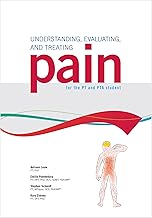
Pain science is central to modern physical therapy practice, and this volume provides a structured framework for understanding how pain emerges, is assessed, and is treated across patient populations. It covers neurophysiology, assessment tools, cognitive-behavioral considerations, and multimodal treatment strategies. For students, this text helps build a robust biopsychosocial perspective, enhances clinical reasoning, and supports evidence-based decision-making when selecting interventions. The contributors bring diverse expertise, making it a well-rounded resource to reference during lab labs, case discussions, and exam prep.
Student’s Anatomy of Exercise Manual

Designed to pair anatomy knowledge with practical exercise prescription, this manual lists fifty essential movements that students should be comfortable teaching and adapting. It covers weights, stretches, cardio components, and proper form cues. The book’s concise diagrams and step-by-step instructions support quick reference during clinical skills labs and during the development of patient-specific exercise programs. Students can use this resource to reinforce safety considerations, progression strategies, and technique instructions when communicating with clients or supervising aides in real-world settings.
Physical Therapy Dad Jokes
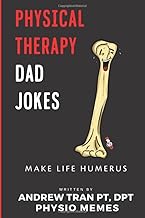
Incorporating humor into serious study can improve retention and reduce stress. This lighthearted collection of PT-themed jokes and commentary offers a relatable break from dense material while reinforcing clinical vocabulary and daily practice experiences. It is not a replacement for core textbooks, but it can help students build rapport with peers and patients, as well as provide quick, engaging memory aids for memorable terminology and common scenarios encountered in clinical rotations. Use it as a quick morale boost or a conversational opener in patient education sessions when appropriate.
Buying Guide: Key Purchase Considerations For PT Students
- Scope and depth: Choose a mix of foundational textbooks and more specialized guides to cover anatomy, pain science, and practical exercise prescriptions. This helps build a robust knowledge base while supporting applied learning during clinical labs.
- Clinical relevance: Prioritize books with clear, evidence-based recommendations and actionable strategies students can translate into patient care and home exercise programs.
- Breadth vs. focus: Some titles emphasize broad concepts (pain science, prevention), while others provide task-specific guidance (exercises, movement analysis). A balanced selection ensures both theoretical understanding and practical skills.
- Reading load: For busy students, consider books with concise chapters, practical summaries, and helpful visuals. This aids efficient study sessions and case discussions.
- Supplemental value: Books with case examples, checklists, and patient education materials can enhance clinical reasoning and communication skills, which are essential for exams and rotations.
- Author expertise and credibility: Works by recognized PT educators and researchers can support alignment with accreditation standards and contemporary practice guidelines.
- Format and accessibility: E-book availability, print quality, and diagram clarity affect how easily a book can be used in class and on-the-go study.
When building a study library, it’s helpful to map each book to your coursework and clinical rotation needs. For example, pair pain science texts with anatomy and movement manuals to reinforce integrated care concepts. Regularly revisiting key chapters during exam prep, while using practical guides during lab practice, can strengthen retention and application. Consider rotating through these titles across semesters to maintain a fresh perspective and prevent cognitive overload. Finally, discuss reading lists with instructors or peers to ensure alignment with program expectations and clinical proficiency goals.