Parents and caregivers can introduce young children to anatomy and body awareness with engaging, age-appropriate books. This collection showcases interactive and read-aloud titles that explain basic anatomy through windows, flaps, and friendly illustrations. Each pick aims to promote curiosity, safety, and healthy body literacy for toddlers and preschoolers.
| Title | Author/Illustrator |
|---|---|
| My First Body Book: Explore your body with windows and sliders | Campbell Books (Author), Yujin Shin (Illustrator) |
| Eyes, Nose, Belly, Toes: My First Human Body Book | Krupa Bhojani Playforth MD (Author), Becky Paige (Illustrator) |
| See Inside Your Body: An Interactive Flap Book About Anatomy and Organs for Curious Children | Katie Daynes (Author), Colin King (Illustrator) |
| My Body is Special and Private | Adrianne Simeone (Author), Bobby Davison (Illustrator) |
| Who Has What?: All About Girls’ Bodies and Boys’ Bodies | Robie H. Harris (Author), Nadine Bernard Westcott (Illustrator) |
These selections emphasize clear explanations, gentle language, and interactive features that suit little learners without overwhelming them. Each title engages children with visuals and activities that build confidence in talking about their bodies and staying safe.
My First Body Book: Explore your body

This title introduces toddlers to basic body parts through interactive features. The book uses simple language and bright illustrations to guide little readers through a friendly exploration of the body. The windows and sliders prompt hands-on engagement, supporting early motor skills while reinforcing vocabulary related to head, torso, limbs, and senses.
Eyes, Nose, Belly, Toes: My First Human Body Book

This volume focuses on identifying major body parts with engaging illustrations and approachable explanations. It introduces sensory awareness and daily routines, encouraging children to point out features like eyes, ears, mouth, and hands. The layout supports early literacy by pairing labels with simple definitions and questions.
See Inside Your Body: An Interactive Flap Book

This flap book invites curiosity about internal organs and bodily systems through movable panels. It presents age-appropriate anatomy concepts with clear pages and questions to prompt discussion. The interactive format helps children connect what they see on the page with real-life body functions, fostering observational skills and foundational science thinking.
My Body is Special and Private

This book addresses body boundaries, safety, and privacy in age-appropriate terms. It helps caregivers discuss private parts, consent, and personal space with toddlers while reinforcing respectful attitudes toward their own bodies and those of others. The tone remains informative and reassuring, focusing on healthy habits and boundaries.
Who Has What?: All About Girls’ Bodies and Boys’ Bodies
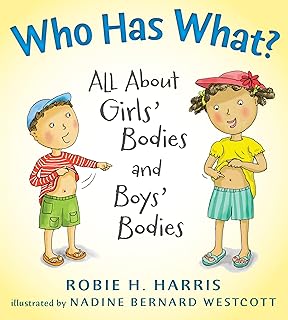
This title offers a straightforward look at the differences and similarities between girls’ and boys’ bodies. It uses inclusive language and simple diagrams to present facts in a non-judgmental way. The content supports age-appropriate discussions about puberty and bodily changes in later years, while remaining suitable for early readers with clear visuals.
Buying Guide: Key Considerations For Choosing Body Books For Toddlers
When selecting body-related books for toddlers, consider age-appropriateness, interactivity, and clarity. Look for titles that use simple vocabulary, positive framing, and opportunities for hands-on exploration. Durable materials and large, wipe-clean pages help with repeated read-aloud sessions. It’s helpful to choose books that address safety, privacy, and consent in a respectful manner. If possible, preview the content to ensure it aligns with your family’s values and your child’s development stage.
- Age suitability: Choose concepts and language appropriate for toddlers and preschoolers. Flaps, windows, and tactile elements should be easy for small hands to manage.
- Interactivity: Interactive features like sliders or flaps increase engagement and reinforce learning through active participation.
- Clarity and tone: Use clear explanations with gentle, non-graphic language. Avoid fear-based or overly technical descriptions.
- Illustrations: Prefer bright, friendly drawings with labeled parts to build vocabulary and recognition.
- Diversity and inclusivity: Select books that reflect diverse bodies, abilities, and family structures to promote inclusion.
- Safety and privacy messaging: Include content about body boundaries, consent, and personal safety appropriate for young children.
- Durability: Board or heavy-page formats withstand rough handling common with toddlers.
- Author and publisher credibility: Reputable publishers and authors typically provide accurate, age-appropriate information.
- Series potential: A set of related titles can support ongoing learning as curiosity grows.
In choosing among these titles, consider your child’s current interest—whether they enjoy flaps, descriptive illustrations, or simple narratives—and select accordingly to build a cohesive foundation in body literacy.