Starting to learn Sanskrit can be challenging, but a well-chosen beginner-friendly book makes all the difference. This guide highlights five accessible titles, emphasizing reading, writing, pronunciation, and foundational grammar. Each pick is designed to build confidence and skill, paving the way for deeper study of ancient texts and modern practice alike.
| Product | Author/Brand | Amazon Link |
|---|---|---|
| The Cambridge Introduction to Sanskrit | A. M. Ruppel (Author) | View on Amazon |
| Learn Sanskrit: How to read and write: A Beginner’s Guide to Reading, Writing, and Understanding the Ancient Language | Kripa Love Hutson (Author) | View on Amazon |
| The Language of Yoga: Complete A-to-Y Guide to Asana Names, Sanskrit Terms, and Chants | Nicolai Bachman (Author) | View on Amazon |
| Complete Sanskrit Beginner to Intermediate Course: Learn to read, write, speak and understand a new language (Teach Yourself) | Michael Coulson (Author) | View on Amazon |
| Sanskrit Tracing Workbook: Learn to Write the Ancient Alphabet: A Beginner-Friendly Handwriting Workbook to Master the Sanskrit Script | Lingorama Publishing (Author) | View on Amazon |
The Cambridge Introduction To Sanskrit
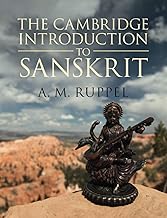
The Cambridge Introduction to Sanskrit is a concise, student-friendly entry that guides beginners through basic grammar, vocabulary, and script. Ruppel’s approach emphasizes clear explanations, practical exercises, and culture-soaked examples to foster steady progress. The book includes readings and translation practice, helping learners build confidence in reading Sanskrit texts from the outset. It is well-suited for classroom use or self-study, offering a structured path from alphabet to sentences.
Learn Sanskrit: How To Read And Write

This beginner-friendly guide focuses on reading, writing, and understanding Sanskrit. It covers essential concepts in a approachable sequence, with practical exercises to reinforce learning. The author’s emphasis on script mastery helps learners quickly move from recognition to production, making it a good companion for those who want a solid handwriting foundation alongside grammar and vocabulary.
The Language Of Yoga: Sanskrit Terms And Chants

While rooted in yoga practice, this guide demystifies common Sanskrit terms and chant phrases frequently encountered in yoga traditions. It offers clear cross-references between pose names and their Sanskrit roots, plus an A-to-Y glossary. For beginners, this book provides a practical bridge between language study and real-world usage in yoga classes or meditation sessions.
Complete Sanskrit Beginner To Intermediate Course

Teach Yourself’s Complete Sanskrit Beginner to Intermediate Course offers a thorough progression from basics to more complex structures. It covers reading, writing, speaking, and comprehension, with exercises designed to solidify grammar rules and build practical language skills. This book is ideal for learners aiming for a comprehensive, self-contained study path with clear milestones.
Sanskrit Tracing Workbook

This handwriting-focused workbook helps beginners master the Devanagari script through tracing and practice. The beginner-friendly format emphasizes stroke order, letter shapes, and progressive difficulty. It is a practical companion to any beginner’s curriculum, reinforcing script familiarity and proper penmanship as foundational skills for Sanskrit literacy.
Buying Guide: Key Considerations For Choosing Sanskrit Books For Beginners
- Learning objectives: Decide whether you want a focus on script, grammar, vocabulary, or bilingual readability. Some books emphasize writing, others translation or glossaries. Choose a title that aligns with your goals.
- Level progression: Look for books that clearly chart a path from beginner to intermediate. Structured chapters, progressive exercises, and periodic reviews help maintain steady progress.
- Script mastery: If script is a priority, seek titles with tracing, handwriting practice, and ample Devanagari examples. Books that integrate script with reading tend to be more effective for beginners.
- Practical usage: For learners drawn to yoga, philosophy, or classical texts, consider books that connect terms with real-world usage, chants, or sample passages to build contextual understanding.
- Supplementary resources: Check for companion workbooks, audio components, or online exercises. Audio can improve pronunciation and listening comprehension, while workbooks reinforce writing skills.
- Author credibility: Select titles from established publishers or recognized scholars to ensure accurate transliteration, grammar explanations, and reliable pedagogy.
- Reader-friendly layout: Clear typography, abundant examples, and well-organized chapters reduce cognitive load for beginners. Look for glossaries and index features for quick reference.
- Availability and format: Some books include digital editions or printable worksheets. Consider formats that fit your study style and access needs.
- Time-to-competence: For rapid introduction to practical Sanskrit, prioritize books with concise explanations and high-yield exercises. Longer courses are better for long-term mastery.
Comparison At A Glance
All five titles offer a solid entry point into Sanskrit, with different emphases. For readability and writing, The Cambridge Introduction to Sanskrit and Learn Sanskrit provide direct pathways from script to sentences. For practical usage in yoga or daily life, The Language of Yoga offers helpful glossaries and context. For a comprehensive, step-by-step curriculum, Complete Sanskrit Beginner to Intermediate Course covers reading, writing, speaking, and understanding. If handwriting is your priority, the Sanskrit Tracing Workbook focuses on script mastery. Depending on your goals, you may prefer one that blends grammar, vocabulary, and guided practice in a structured sequence.