Starting an ayurveda journey can feel overwhelming. This guide highlights five beginner-friendly books that cover core principles, practical routines, and accessible recipes to balance body and mind. Each title offers clear explanations, foundational practices, and guidance for integrating Ayurveda into everyday life.
| Book Title | Author |
|---|---|
| Ayurveda Beginner’s Guide | Susan Weis-Bohlen (Author) |
| Ayurveda Cooking for Beginners | Laura Plumb (Author) |
| Ayurveda (Idiot’s Guides) | Sahara Rose Ketabi (Author) |
| Ayurveda: The Science of Self Healing | Vasant Lad (Author) |
| Ayurveda for Women | Emily L. Glaser RN C.Ay (Author) |
These books provide a spectrum from practical cooking and daily routines to deeper theory, making them suitable for beginners who want both quick wins and a solid foundation for long-term wellness.
Ayurveda Beginner’s Guide: Practical Principles

Authored by Susan Weis-Bohlen, this book introduces core Ayurvedic concepts in a clear, accessible way. It covers doshas, daily routines, and simple self-care practices to restore balance. Readers will find practical checklists, seasonal routines, and guidance on how to tailor routines to individual constitutions. The approachable language makes it a strong entry point for those new to Ayurveda, with an emphasis on sustainable lifestyle changes rather than quick fixes.
Key features include: an overview of doshas, basic diagnostic tools, suggested daily and weekly routines, and introductory self-care practices such as breathing exercises and mindful eating. The book aims to empower readers to start small and progressively deepen their practice.
Ayurveda Cooking For Beginners

From Laura Plumb, this guide blends Ayurvedic principles with practical recipes designed for beginners. It explains how to balance the six tastes, favor digestion-friendly meals, and choose ingredients that align with your dosha. The cookbook format makes it easy to apply
daily dietary changes, with clear instructions, meal ideas, and tips for mindful cooking and eating. The emphasis is on nourishing meals that support energy, immunity, and overall well-being.
Key features include: introductory sections on digestion and taste theory, step-by-step recipes, kitchen tips for preparing seasonal meals, and guidance on portioning meals to maintain balance throughout the day. The tone is practical and meal-focused rather than theoretical.
Ayurveda (Idiot’s Guides)

Sahara Rose Ketabi and Foreword by Deepak Chopra contribute to a friendly, approachable entry into Ayurveda. This guide blends humor with solid Ayurvedic concepts, making it accessible while still educational. It covers doshas, seasonal living, and everyday routines in a reader-friendly format.
The book’s strengths lie in presenting foundational ideas through relatable examples, quick-start plans, and practical tips to implement Ayurveda without feeling overwhelmed. It serves as a bridge between curiosity and more in-depth study, ideal for readers seeking a lighter, engaging introduction.
Ayurveda: The Science Of Self Healing

Vasant Lad’s classic text provides a concise, clinically oriented overview of Ayurveda as a healing system. It covers basic philosophy, physiology in Ayurvedic terms, and practical guidance for diagnosing and treating common imbalances. While foundational, it maintains a structured approach that can support beginners aiming for a deeper understanding over time.
Readers will find clear explanations of how dietary choices, daily routines, herbs, and lifestyle adjustments contribute to healing. The book is valued for its balance of theory and actionable steps, making it suitable for those seeking a more formal introduction to Ayurveda.
Ayurveda For Women
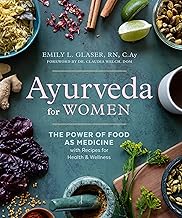
Emma L. Glaser, with Claudia Welch providing foreword, focuses on female health within the Ayurvedic framework. The book explores how women’s unique physiological cycles influence doshic balance, fertility, pregnancy, and menopause. It weaves practical dietary advice with lifestyle adjustments and self-care practices tailored to women’s health needs.
The content emphasizes real-life scenarios, recipes, and routines designed to support hormonal balance, energy, and vitality. This title is particularly useful for readers seeking gender-specific guidance within Ayurveda, while still accessible to beginners.
Buying Guide: Key Purchase Considerations
- Approach and depth: Beginners may prefer titles that blend simple explanations with practical steps, like introductory guides and cookbooks, before tackling more theoretical works.
- Focus areas: Look for books that align with your goals—daily routines, nutrition, women’s health, or self-healing practices—to ensure you gain relevant, actionable guidance.
- Diet and cooking emphasis: If you want hands-on dietary changes, prioritize books that offer recipes, meal plans, and taste-based balancing concepts.
- Dosha coverage: Ensure the book explains doshas clearly and provides practical ways to tailor routines to your constitution.
- Supplemental resources: Some titles include charts, checklists, or beginner-friendly experiments—these can enhance learning and consistency.
- Author credibility: Consider author background in Ayurveda, including clinical experience, holistic training, and how forewords by known experts add context.
- Use and practicality: Favor books with quick-start guides, daily routines, and real-life examples that are easy to implement year-round.
- Format and length: For beginners, shorter, user-friendly formats tend to be more approachable than dense tomes.
In selecting a book, weigh whether you want a practical cookbook, a broader introductory manual, or a gender-focused guide. Combining a cookbook with a general guide often yields the most helpful foundation for consistent, sustainable practice.