Real estate investing opens a path to wealth with disciplined learning and actionable strategies. This article reviews five beginner-friendly books that explain fundamentals, risk management, and the steps to start building a rental portfolio. Each section highlights key takeaways and how the book can help readers avoid common mistakes while developing a practical plan to enter real estate markets confidently.
| Book | Author/Brand | Focus |
|---|---|---|
| Commercial Real Estate for Beginners: The Basics of Commercial Real Estate Investing | Commercial Real Estate for Beginners | Commercial investing essentials |
| The Book on Rental Property Investing: How to Create Wealth With Intelligent Buy and Hold Real Estate Investing | Brandon Turner | Buy-and-hold rental strategy |
| Easy Real Estate Investing for Beginners: 9 Steps to Build Passive Income | Chad K. Smith | Passive income path |
| The Only Real Estate & Rental Property Investing For Beginners Book You’ll Ever Need (2 in 1) | Andrew James, Courtney James | Comprehensive starter guide |
| Turning Rental Properties into Passive Income Profit$: The Beginners 10 Step Real Estate Investing Book | Dustin Roberts | Structured beginner roadmap |
These titles provide a spectrum from theoretical foundations to practical, step-by-step plans. They are suitable for readers in diverse markets across the United States, offering insights on evaluating opportunities, financing options, property management, and the realities of cash flow. Below are five carefully selected books that align with a beginner’s goal of starting small, staying within budget, and building knowledge before committing significant capital.
Commercial Real Estate for Beginners

Commercial Real Estate for Beginners focuses on the basics of investing in commercial property, including market analysis, financing options, and the factors that differentiate commercial deals from residential ones. The book emphasizes building a foundation in risk assessment, property evaluation, and creating steady income streams through commercial assets such as office spaces and retail venues. It is suitable for readers who want a structured introduction to larger-scale real estate and who prefer a practical, step-by-step approach to first commercial investments.
The Book On Rental Property Investing

The Book on Rental Property Investing presents a comprehensive framework for buying and holding rental properties to build long-term wealth. It covers identifying markets with strong rental demand, calculating potential cash flow, and strategies for property management. The author outlines practical methods for evaluating deals, financing options, and maximizing return on investment while minimizing vacancy and maintenance costs. This title is particularly helpful for beginners who want a clear path from identifying a rental opportunity to maintaining profitable ownership over time.
Easy Real Estate Investing for Beginners
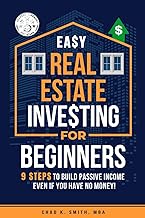
Easy Real Estate Investing for Beginners guides readers through a 9-step process designed to build passive income. It highlights common mistakes to avoid, stress-testing deals, and understanding property value from a pragmatic investor’s perspective. The book emphasizes accessibility for those with limited capital, offering strategies to start small, leverage, and scale gradually. It is a good fit for readers seeking a practical, no-fruss approach to getting started with real estate investing and building consistent cash flow over time.
The Only Real Estate & Rental Property Investing For Beginners Book You’ll Ever Need

The Only Real Estate & Rental Property Investing For Beginners Book You’ll Ever Need combines two popular formats into a compact guide that covers closing your first deal, property management, and creating financial freedom. It provides practical steps for evaluating properties, negotiating terms, and developing a business mindset for long-term success. The dual focus helps readers quickly translate theory into actionable plans for both single-family and small multi-family investments, making it suitable for beginners seeking a broad, hands-on primer.
Turning Rental Properties into Passive Income Profit$

Turning Rental Properties into Passive Income Profit$ outlines a beginner-friendly ten-step roadmap to convert rental properties into reliable passive income. It covers deal sourcing, financing options, property improvements, cash-flow optimization, and exit strategies. The guide emphasizes disciplined execution and tracking metrics to monitor performance. For readers aiming to achieve financial independence through a systematic, phased approach, this book offers a practical blueprint with measurable milestones and realistic expectations about timeframes.
Buying Guide: Key Purchase Considerations For Beginners
- Investment goals: Clarify cash flow targets, time horizon, and risk tolerance before choosing a strategy (buy-and-hold, value-add, or commercial).
- Market research: Analyze local rent demand, vacancy rates, cap rates, and economic drivers such as job growth and infrastructure.
- Financing: Compare conventional loans, FHA-style options, private lenders, and cash scenarios. Understand down payments and leverage carefully to avoid overexposure.
- Due diligence: Assess condition, zoning, property taxes, insurance costs, and management needs. Use professional inspections to uncover hidden issues.
- Cash flow and reserves: Model monthly income and expenses, and keep reserve funds for repairs, vacancies, and vacancies-related variability.
- Property management: Decide between self-management and hiring a property manager. Consider the time, expertise, and local regulations involved.
- Risk management: Diversify holdings, set exit strategies, and maintain liquidity to weather market downturns or unexpected vacancies.
- Legal basics: Familiarize with landlord-tenant laws, fair housing rules, and local licensing requirements to reduce compliance risk.
- Portfolio approach: Start small with one or two units, then scale gradually. Reinvest profits to compound growth and learning.
- Due diligence workflow: Create checklists for each property, track results, and continually refine your investment criteria based on experience.
In sum, the selected titles provide a layered approach—beginner-friendly overviews, practical buy-and-hold strategies, and explicit roadmaps to transform initial deals into steady income. Readers can use these resources to establish a solid foundation, test different strategies, and build a personalized plan that aligns with their financial goals and local market conditions.