The following article highlights five engaging children’s books that celebrate diversity, inclusion, and empathy. Each title offers age-appropriate messages about race, identity, family, and belonging, helping kids see themselves and others in a positive light. The selections blend thoughtful text with bright illustrations to foster conversations between children and caregivers.
| Product | Author/Brand | Notes |
|---|---|---|
| Our Skin: A First Conversation About Race | Megan Madison, Jessica Ralli, Isabel Roxas | Illustrated primer on race and identity for early readers |
| We’re Different, We’re the Same (Sesame Street) (Pictureback) | Bobbi Kates, Joe Mathieu | Inclusive message from familiar Sesame Street characters |
| It’s OK to Be Different: A Children’s Picture Book About Diversity and Kindness | Sharon Purtill, Sujata Saha | Gentle lessons on kindness and acceptance |
| We All Belong: A Children’s Book About Diversity, Race and Empathy | Nathalie Goss, Alex Goss, Goss Castle | Expands empathy and belonging across communities |
| Love Makes a Family | Sophie Beer | Celebrates diverse family structures |
Our Skin: A First Conversation About Race

Our Skin offers a clear, age-appropriate introduction to race for young children. The book explains that people have different skin colors and backgrounds, while emphasizing that everyone deserves respect. The text is concise and accessible for emergent readers, with supportive illustrations that reinforce key concepts such as fairness, curiosity, and the importance of asking questions in a respectful way. Family discussions can be guided by the book’s gentle prompts, making it a practical tool for early conversations about identity and belonging.
We’re Different, We’re the Same
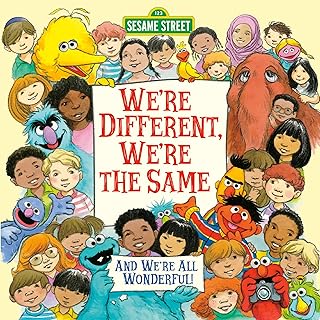
This Sesame Street picturebook uses beloved characters to explore diversity and sameness. Its simple text and warm illustrations highlight shared values like friendship, kindness, and cooperation, while acknowledging differences in skin color, abilities, and family structures. The narrative reinforces that people can have different appearances or backgrounds yet share similar emotions and dreams. The familiar setting helps children relate to the concepts of inclusion and empathy in everyday situations, making it a practical read-aloud choice for families and classrooms.
It’s OK to Be Different
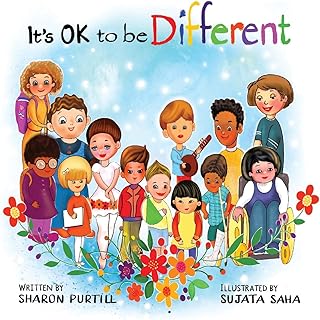
It’s OK to Be Different presents a compassionate approach to diversity and kindness. The book uses accessible language and engaging visuals to discuss how people may look, think, or behave differently, yet deserve respect and inclusion. By presenting scenarios that show empathy in action—listening, sharing, and helping—this title supports early social-emotional learning. It can serve as a conversation starter for families and educators addressing bias, stereotypes, and the value of each child’s unique perspective.
We All Belong
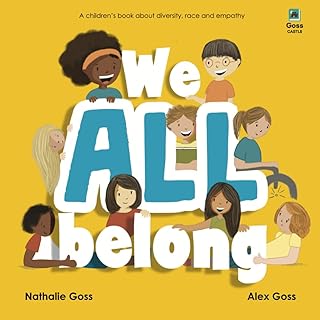
We All Belong emphasizes inclusive communities and the universal value of empathy. The narrative invites readers to consider how differences enrich a group and how everyone can play a part in creating a welcoming environment. The book’s approachable text and lively illustrations illustrate inclusive language, respectful dialogue, and the importance of standing up for friends who may feel excluded. It’s a resource for classrooms and home libraries aiming to broaden awareness of race, culture, and shared humanity.
Love Makes a Family

Love Makes a Family celebrates the diversity of modern families, presenting different family structures with warmth and clarity. The text reinforces that love is the core element of any family, regardless of makeup or background. The illustrations reflect a range of colors, abilities, and family dynamics, helping children understand acceptance and pride in their own families and in those of their peers. This title is a strong addition to any early reader collection focused on inclusion and compassion.
Buying Guide
Choosing children’s books about diversity involves balancing age-appropriateness, clarity, and engagement. Key considerations include:
- Age range and reading level: Look for titles designed for age groups your child is currently in, with simple sentences and supportive imagery for younger readers.
- Message clarity: Prioritize books with explicit themes of inclusion, respect, and empathy that are easy to discuss aloud.
- Illustration style: Bright, relatable illustrations help reinforce concepts and invite conversations about difference and belonging.
- Cultural representation: Seek a variety of perspectives and avoid tokenism. Diverse authors and illustrators can provide authentic depictions.
- Family and community themes: Books that show different family structures and community roles can broaden understanding and acceptance.
- Discussion prompts: Titles that include or inspire open-ended questions help parents and educators extend learning beyond the page.
- Accessibility and format: Consider print quality, text size, and optional formats (board books for younger children, picture books for storytime).
When comparing titles, consider how the core messages align with your goals for early education—whether fostering curiosity, reducing bias, or encouraging courageous conversations. Pairing a story with guided questions or a related activity can deepen understanding and empathy. Evaluating a range of books from different authors ensures a well-rounded collection that supports ongoing conversations about diversity, race, and community.