Finding a Bible study that clarifies complex passages without losing the message can be challenging. This guide highlights five accessible options designed to help readers grasp the core meanings of Scripture, whether you’re new to the Bible or seeking a clearer path through familiar stories. Each entry includes a concise overview, key features, and a direct link to the product on Amazon for easy comparison.
| Product | Format | Why It Helps |
|---|---|---|
| The Bible, Simplified: Learn the Story, Live the Story | Study Guide | Clear narrative focus with practical applications. |
| The Bible in 52 Weeks: A Yearlong Bible Study for Women | Weekly Read/Study | Structured pace that builds understanding over a year. |
| The Holy Bible Explained — Old & New Testament | Explication Guide | Daily insights to apply eternal truths in daily life. |
| 30 Days to Understanding the Bible, 30th Anniversary | 30-Day Plan | Rapid, focused overview to unlock Scripture quickly. |
| The Bible Made Easy – for Kids | Child-Friendly Guide | Simple language and engaging explanations for young readers. |
The Bible, Simplified: Learn the Story, Live the Story

Author: Zach Windahl (Author). This guide aims to present Scripture in approachable language, focusing on the overarching story of the Bible and how its message translates into everyday living. Features include concise chapters that connect biblical events to practical life application, making the material accessible to readers seeking clarity without extensive doctrinal jargon.
The Bible in 52 Weeks: A Yearlong Bible Study for Women
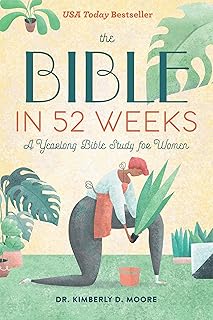
Author: Dr. Kimberly D. Moore (Author). This yearlong program is designed to create a steady habit of study for women, offering weekly readings and reflection prompts. The structure helps readers track progress, reinforce understanding through repetition, and apply lessons to daily life with guided questions.
The Holy Bible Explained — Old & New Testament

Author: Kevin J. Gregory (Author). This volume emphasizes a life-changing journey with God through clear explanations of both Old and New Testament passages. It aims to help readers understand context, themes, and practical applications, promoting consistency in daily devotional practice and comprehension of the biblical message.
30 Days to Understanding the Bible, 30th Anniversary

Author: Max Anders (Author). A milestone edition that provides a focused, 30-day plan to unlock Scripture quickly. The format is designed for readers who want a structured, time-limited approach to gain clearer insights into biblical narratives and their meanings, with concise explanations and practical takeaways.
The Bible Made Easy – for Kids

Author: Dave Strehler (Author). This kid-friendly guide uses straightforward explanations and engaging visuals to help children understand Bible stories. It emphasizes foundational concepts and encourages questions suitable for younger readers, making it easier for families to read together with confidence.
Buying Guide: Key Considerations For Choosing A Bible Explanation Guide
Audience and reading level
Consider whether you want a guide for adults or a child-friendly version. Some books use simple language aimed at beginners, while others provide more in-depth commentary for mature readers. Match the level to the reader’s current understanding and learning style.
Structure and pace
Weekly, daily, or 30-day formats affect how you absorb information. A yearlong program can build a durable habit, while shorter plans offer quick wins. Choose a structure that fits your schedule and learning goals.
Practical application
Look for guides that connect biblical narratives to real-life situations. The most effective resources include reflective questions, discussion prompts, and actionable takeaways that help translate scripture into daily behavior and choices.
Depth of commentary
Some books provide high-level summaries suitable for beginners; others include detailed exegesis. Decide how deep you want to go and whether you prefer reading that is devotional, academic, or a balance of both.
Format and accessibility
Consider the physical format (hardcover, paperback, or e-book), readability features (large print, margins, illustrations), and whether the book includes study prompts or digital companions. Accessibility can influence consistency in study habits.
Author credibility and perspective
Check the author’s background and theology to ensure alignment with your beliefs or church guidance. Different authors emphasize varying doctrinal interpretations, which can shape how you understand particular passages.
Cost and value
Evaluate the value in terms of content quality, layout, and supportive features like questions, summaries, or companion resources. A slightly higher price can be justified by durable materials and long-term usefulness.
Summary comparison
- Best for beginners: clear language and practical application without heavy commentary.
- Best for structured learners: a consistent schedule that builds momentum over time.
- Best for daily devotion: concise, daily insights with immediate relevance to life.
- Best for kids: age-appropriate explanations and engaging visuals.