Parents and caregivers seeking effective ways to grow young readers will find a range of engaging, age-appropriate English learning books. This guide highlights five top picks that emphasize vocabulary, phonics, and word recognition, helping kids build confidence as they read. Each pick combines colorful visuals with structured practice to support early literacy development.
| Product | Brand / Author | Format |
|---|---|---|
| English for Everyone Junior: 5 Words a Day: Learn and Practice 1,000 English Words | DK (Author) | Print / Educational Book |
| Learn to Read Activity Book: 101 Fun Phonics Lessons to Teach Your Child to Read | Hannah Braun M.Ed. (Author) | Print / Phonics Workbook |
| My First 1000 Words: Early Learning Picture Book | Wonder House Books (Author) | Print / Picture Book |
| My First Spanish Words Series by Heritage Kids Press | Heritage Kids Press (Author) | Print / Bilingual Word Series |
| 200 Essential Sight Words for Kids Learning to Write and Read | Sujatha Lalgudi, Hippidoo (Authors) | Print / Sight Words Workbook |
English For Everyone Junior: 5 Words A Day

Designed for young learners, this DK title emphasizes daily vocabulary growth. The book presents 1,000 core English words through clear visuals and manageable practice segments. Features include word-by-word introduction, context-rich examples, and activities that reinforce recognition and usage. Suitable for elementary readers and ESL learners, the format supports incremental learning with consistent exposure to new terms.
Learn To Read Activity Book: 101 Phonics Lessons

Focused on phonemic awareness, this activity book offers 101 phonics lessons designed to teach children how to read through engaging exercises. The author, Hannah Braun, M.Ed., provides structured instruction that blends sound-letter relationships with practical reading activities. Ideal for early readers and tutoring environments, the book emphasizes predictable patterns and incremental mastery.
My First 1000 Words: Early Learning Picture Book

This picture book introduces a broad set of everyday words through vivid illustrations, helping kids associate words with images. The large vocabulary focus supports early reading readiness and word recognition, making it a friendly entry point for preschoolers and kindergartners. The format encourages quick, repeated exposure to common nouns and familiar concepts.
My First Spanish Words Series

The Heritage Kids Press series introduces kids to basic Spanish vocabulary through appealing illustrations and simple, kid-friendly phrases. While focused on Spanish words, the books also support bilingual development and cultural exposure. This series is suitable for households seeking multilingual exposure or supplementary language learning alongside English literacy.
200 Essential Sight Words For Kids
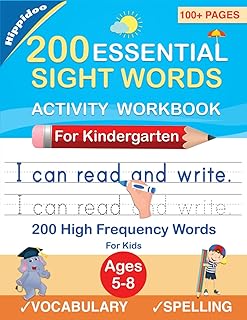
This workbook targets high-frequency words essential for fluent reading and writing. With tracing and practice activities, it supports developing handwriting fluency alongside recognition. Suitable for kindergarten through early elementary levels, the book emphasizes repetition and gradual increase in complexity to reinforce automatic word recall.
Buying Guide
- Reading level alignment: Choose books that match your child’s current literacy stage, from picture-word recognition to more complex sentence reading.
- Language goals: Decide whether you want vocabulary expansion, phonics mastery, or sight word focus, and pick titles that align with those goals.
- Format and activities: Picture-rich books and activity workbooks often encourage engagement. Consider whether your child prefers guided practice or independent activities.
- Phonics vs. vocabulary balance: A blend of phonics-focused titles and vocabulary-building books generally supports well-rounded literacy development.
- Multilingual exposure: For households exploring bilingualism, include resources that introduce second languages alongside English, like basic vocabulary in Spanish or other languages.
- Durability and reuse: Look for sturdy pages and removable worksheets if the child tends to handle books roughly or if the material will be shared among siblings.
- Progress tracking: Some titles include checklists or practice prompts that help monitor progress over weeks or months.
- Supplemental tools: Pair books with flashcards, read-aloud sessions, and hands-on activities to reinforce learning in varied contexts.
- Age appropriateness: Ensure content complexity aligns with the child’s age and attention span to maintain motivation.
- Budget considerations: A mix of affordable workbooks and a few longer, visuals-rich titles can optimize learning over time.