Exploring homeopathy as a beginner involves finding accessible, well-organized guides that explain remedies, dosing, and safe practices. This article highlights five beginner-friendly homeopathy books and provides a concise buying guide to help you choose a title that fits your needs, whether you’re curious about familiar everyday ailments or seeking a practical reference for families and beginners.
| Book | Author/Author Team |
|---|---|
| The Complete Homeopathy Handbook | Miranda Castro |
| Homeopathic Medicine At Home | Maesimund B. Panos MD, Jane Heimlich, Dr. Robert Mendelsohn (Foreword) |
| Forgotten Home Apothecary | Dr. Nicole Apelian |
| Homeopathic Medicine for Children and Infants | Dana Ullman |
| Homeopathy at Home | Marcus Fernandez |
The Complete Homeopathy Handbook

The Complete Homeopathy Handbook by Miranda Castro offers a comprehensive overview of homeopathic principles and practical remedies for a wide range of common conditions. It emphasizes safety, dosage guidance, and everyday applications, making it a suitable starting point for beginners seeking a solid foundation in homeopathic treatment and self-care. The book integrates case studies and clear steps to identify appropriate remedies for fevers, colds, and minor ailments in both adults and children.
Homeopathic Medicine At Home

Homeopathic Medicine At Home presents natural remedies for everyday ailments and minor injuries with an emphasis on practical, at-home application. With a team of contributors, the book covers common conditions and home treatment strategies. It serves as a straightforward reference for beginners who want actionable guidance without excessive technical detail, including simple symptom-based remedy selection and safety tips.
Forgotten Home Apothecary
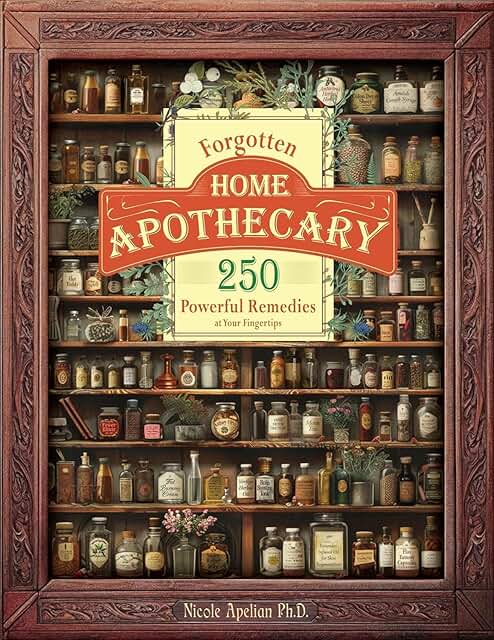
Forgotten Home Apothecary by Dr. Nicole Apelian compiles 250 powerful remedies for quick reference. The book focuses on practical, actionable formulations that readers can understand and apply in everyday life. It is well-suited for beginners who want a broad, hands-on collection of remedies and guidance on safe usage, storage, and basic preparation methods for home use.
Homeopathic Medicine for Children and Infants

Homeopathic Medicine for Children and Infants, authored by Dana Ullman, targets pediatric care with a focus on child-specific dosing, safety, and common childhood ailments. This guide presents child-focused homeopathic principles, dosage guidance, and practical remedies, making it a valuable resource for families and caregivers seeking reliable, age-appropriate information.
Homeopathy at Home

Homeopathy at Home by Marcus Fernandez presents everyday treatments for common complaints in a practical format. The book emphasizes user-friendly symptom-based guidance and a straightforward approach to selecting remedies for common situations. It is a suitable introductory text for readers who want quick, accessible reference material to support family health and well-being.
Buying Guide
Key purchase considerations help beginners choose a homeopathy book that fits their goals and learning style:
- Scope and depth: Beginners should favor books with clear fundamentals, step-by-step guidance, and symptom-based remedies rather than deeply technical materia medica.
- Age focus: If you’re buying for a family, consider titles that address children and infants specifically, in addition to general adult guidance.
- Practicality: Look for books that include safe dosage ranges, warning signs, storage tips, and easy-to-follow remedies that can be implemented at home.
- Authority and approach: Prefer works by established authors or practitioners with clear credentials and a balanced, safety-first approach.
- Illustrations and layout: Books with diagrams, symptom checklists, and accessible layouts help beginners quickly locate relevant information.
- Update and edition: Choose recent editions that reflect current safe-use practices and modern accessibility for new readers.
- Supplementary resources: Some titles offer companion websites, quick-reference charts, or index-based lookup to support ongoing learning.
When comparing titles, align your choice with your intended focus—general self-care, family medicine, or pediatric care—while ensuring the content emphasizes safety, proper dosing, and when to seek professional medical advice. For hands-on learners, curated collections and 250-item remedies can be valuable, whereas readers seeking a solid foundation may prefer a comprehensive handbook that covers theory and practice together.