The human body is a complex system that fascinates readers of all ages. This article highlights five engaging and informative books that explain anatomy, physiology, and the body’s amazing functions in clear, kid-friendly language. Each pick combines visuals with accessible explanations to support curiosity, classroom learning, and at-home exploration. Read on to discover titles that range from encyclopedic guides to playful introductions, all designed to deepen understanding of how we work and stay healthy.
Summary of chosen products
- Knowledge Encyclopedia Human Body! — DK (Author), Smithsonian Institution (Contributor) — A comprehensive visual guide for curious readers.
- The Human Body Book: An Illustrated Guide to its Structure, Function, and Disorders — DK, Richard Walker, Steve Parker
- Eyes, Nose, Belly, Toes: My First Human Body Book — Krupa Bhojani Playforth MD, Becky Paige (Illustrator)
- Knowledge Encyclopedia: Human Body — Wonder House Books
- The Complete Human Body: The Definitive Visual Guide — Dr. Alice Roberts
Knowledge Encyclopedia Human Body!
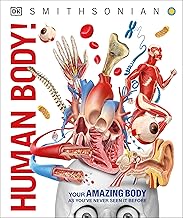
This DK-led resource pairs high-quality photographs and detailed illustrations with concise explanations about every major body system. The involvement of the Smithsonian Institution adds credibility and depth, making complex topics approachable for older children, teens, and adults seeking a solid reference. Subjects cover bones, muscles, the nervous system, the circulatory system, the digestive tract, and more, all presented in a visually rich format that supports both study and curiosity. The book’s structure helps readers compare function and structure across organisms, offering a broad learning experience beyond the basics.
Key features include:
- Extensive diagrams showing anatomy with labeled parts.
- Close-up explanations of how organs work together.
- Historical context and modern scientific insights.
- Accessible language suitable for classroom use and self-study.
The Human Body Book: An Illustrated Guide

authored by DK experts with contributions from seasoned medical professionals, this guide offers a thorough tour of body structure, function, and common disorders. It balances diagrams, infographics, and descriptive text to deliver a comprehensive overview suitable for middle grades, high school readers, or anyone building foundational knowledge about how the body operates. Readers will find straightforward sections on systems such as the skeletal, muscular, circulatory, respiratory, and nervous systems, along with accessible explanations of how diseases arise and how the body defends itself.
Highlights include:
- Structured chapters that progress from basic anatomy to complex processes.
- Clear illustrations that aid memory retention and visual learning.
- Disorder explanations that connect symptoms to underlying mechanisms.
- Practical tips and real-world context for health education.
Eyes, Nose, Belly, Toes: My First Human Body Book

Geared toward younger readers, this book blends playful text with age-appropriate science to introduce the body as a living, functioning machine. Written by Krupa Bhojani Playforth and illustrated by Becky Paige, it explains ordinary body sensations and functions in a friendly, accessible style. The book uses bright illustrations and simple activities to help children identify body parts, learn about senses, and understand basic hygiene and health concepts. It’s a good starter resource for kids new to anatomy and for parents seeking engaging at-home learning material.
Notable aspects include:
- Bright, engaging illustrations that hold young readers’ attention.
- Simple explanations of structure and function tailored to early readers.
- Hands-on activities and prompts to explore anatomy safely at home.
- Helpful definitions of senses and basic health practices.
Knowledge Encyclopedia: Human Body

This title from Wonder House Books is designed for children and early readers who crave big pictures and quick facts. Its encyclopedia-style format makes it a practical reference with bite-sized entries. Topics cover organs, systems, health, and everyday body awareness, often paired with interactive questions to reinforce learning. The accessible tone helps bridge classroom content and home study, making it a reliable supplementary resource for homeschool families or libraries stocking beginner science sections.
Key elements include:
- Concise entries with clear definitions and visuals.
- Colorful diagrams that illustrate inner workings of the body.
- Age-appropriate content that aligns with early science curricula.
- Glossary and quick-reference sections for study aids.
The Complete Human Body: The Definitive Visual Guide

Dr. Alice Roberts presents a comprehensive, visually driven tour of the human body. This definitive guide combines expert anatomy with vivid imagery, covering systems, organs, and the latest scientific knowledge in an accessible format. It’s well suited for high school students, teachers preparing lesson plans, or general readers who want an in-depth, immersive look at how the body works. The book integrates clinical insights with cultural and historical perspectives, offering a well-rounded understanding of human biology.
Important features include:
- Extensive artwork, 3D diagrams, and cross-sections for detailed study.
- Clear explanations of anatomy, physiology, and development.
- Contextual insights linking science with health, medicine, and evolution.
- Accessible language while retaining scientific rigor for adult readers.
Buying Guide: Key Purchase Considerations
When selecting a book about the human body, consider the reader’s age, background, and learning goals. The following factors help navigate choices and find the best fit.
- Target audience and reading level: For younger children, seek titles with large illustrations and simple language. For teens and adults, look for more detailed diagrams and explanations.
- Scope and depth: Encyclopedic guides offer broad coverage and quick references, while visual guides focus on diagrams and organ systems. Decide whether you want a broad overview or in-depth analysis.
- Visual design: High-quality images, diagrams, and color-coding improve comprehension and retention. Check sample pages or reviews to gauge readability.
- Authoritativeness: Books with contributions from respected institutions or medical professionals tend to provide reliable information and context.
- Alignment with curricula: If the goal is classroom use or homeschooling, choose titles that align with your learning standards and activity ideas.
- Disorder and health coverage: Some books address diseases and disorders in a way that’s appropriate for different ages. Ensure tone and content match the reader’s maturity level.
- Format and durability: Consider binding type and page quality for frequent use by students or libraries. Hardcover editions may withstand better handling.
These considerations help balance breadth, depth, and accessibility. Comparing multiple titles can reveal complementary strengths—one book may excel in vivid diagrams, while another offers clearer explanations of body systems and health concepts. For learners seeking a well-rounded foundation, pairing a visually rich guide with a reference-style encyclopedia often yields the best results.