Whether you’re just starting a coin collection or seeking to refine an established portfolio, choosing the right reference can dramatically improve accuracy, valuation, and enjoyment. This article highlights five highly regarded books and guides that cover beginners’ fundamentals, advanced grade-by-grade guidance, and practical inventory management. Each section presents a concise overview, the key appeal of the title, and how it can support a growing coin collection. A quick product table at the start helps you compare core details at a glance.
| Title | Author / Editor | Brand |
|---|---|---|
| The 2026 Red Book: A Guide Book of United States Coins | Jeff Garrett; John Feigenbaum; R.S. Yeoman | Official Red Book |
| The Coin Collecting Bible: 5 In 1 | Arthur K. Lindon | Coin Collecting Bible |
| Coin Collecting for Beginners | Frances Knowles | Knowles Publications |
| Coin Collecting Inventory Log Book | Zerio Publishing | Inventory Log |
| Coin Collecting for the Young Collector | Frances Knowles | Knowles Publications |
The 2026 Red Book: A Definitive US Coin Guide
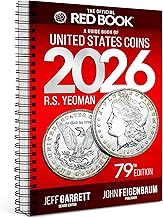
The 2026 Red Book is a long-standing staple for U.S. coin collectors. It combines historical context with a thorough price guide, offering up-to-date retail values and comprehensive grade-by-grade assessments. Contributors include well-known authorities, making it a trusted reference for cataloging, price estimation, and collecting strategy. This edition emphasizes modern market realities while preserving the classic reference format that hobbyists and dealers rely on.
Key strengths include its scope across major American coin types, clear grading narratives, and practical display of mint state differences. For collectors seeking a dependable glossary, mint histories, or an accessible entry point into the hobby’s economics, the Red Book serves as a durable baseline resource. Its organized tables and illustrations make it useful for quick checks during shopping or inventory reviews.
Who should consider this book? Beginners who want a solid framework, intermediate collectors expanding into varieties, and dealers who need a portable, authoritative price reference. While no single guide can anticipate every market fluctuation, the Red Book remains a dependable anchor for standard valuations and identification cues.
The Coin Collecting Bible: 5 In 1

This 5-in-1 volume aggregates a broad spectrum of coin collecting topics into a single guide, aiming to serve beginners through advanced hobbyists. It bundles foundational guidance on purchasing, grading, and selling, along with insights into rare and desirable coins. The consolidated format reduces the need to juggle multiple titles, which can be convenient for new collectors building a core library.
The text can help readers understand market signals, such as which series tend to appreciate over time and how condition affects value. Its approachable tone makes it suitable for readers who prefer a structured plan to assemble a meaningful set before expanding into specialized areas. For those exploring a multi-faceted approach to collecting, this book offers a practical roadmap.
Ideal readers include students building a starter collection, hobbyists seeking a broad overview, and individuals who want a single reference to cover a range of topics—from identification to trade considerations. The combined format supports a cohesive learning journey and efficient study sessions.
Coin Collecting for Beginners

This guide targets newcomers with a practical, step-by-step approach to building a coin portfolio. It covers core topics such as determining value, cataloging your holdings, and preserving coins for longer-term enjoyment. The emphasis on creating a manageable system makes it suitable for hobbyists who prefer steady, incremental progress rather than overwhelming theory.
The book’s value lies in its clear explanations of common terminology, basic grading concepts, and straightforward methods for organizing an ever-growing collection. For readers starting from scratch, this title provides a useful framework that can be expanded with more specialized manuals as interest evolves.
Who benefits most? Absolute beginners who need a friendly intro, parents guiding a child into coin collecting, and casual hobbyists who want a simple, repeatable process for cataloging and care. It pairs well with a local coin club or beginner-focused workshops for hands-on learning.
Coin Collecting Inventory Log Book

This inventory log book focuses on organization and cataloging, with a ledger-style layout designed to help collectors track coins efficiently. Features likely include fields for coin type, year, mint mark, grade, purchase date, source, and notes about provenance. An orderly log supports easier valuation updates, insurance documentation, and satisfaction from maintaining a tidy bookshelf of assets.
Any collector aiming to maintain future-proof records will benefit from this structured approach. The log’s portability makes it convenient for travel to shops, clubs, or auctions, where quick reference can streamline decisions. It complements more narrative guides by providing a practical, repeatable system for upkeep.
Target audiences include serious hobbyists with growing inventories, dealers who require portable reference tools, and families who want to involve younger members in responsible收藏 management. It pairs well with digital spreadsheets for enhanced data analysis if desired.
Coin Collecting for the Young Collector

This title is designed for younger readers and families, emphasizing foundational concepts in a kid-friendly format. It covers how to start a beginner’s collection, basic coin identification, simple valuation ideas, and safe handling practices. The aim is to spark interest while building good habits from the outset.
Young readers can benefit from approachable language, colorful illustrations, and interactive activities that reinforce learning. For parents and educators, this book provides a ready-to-use entry point to discuss coins, history, and collecting ethics in an age-appropriate way. It can serve as a stepping stone to more advanced references as curiosity deepens.
Suitable for families, early teens, and school clubs, this guide supports exploration without intimidation. It encourages responsible ownership and curiosity about numismatic history, making it a practical companion for early-stage collectors.
Buying Guide: Key Purchase Considerations
- Scope and depth: Determine whether you need a broad introductory guide, a detailed grade-by-grade reference, or a compact inventory resource. Some titles blend several purposes, while others focus on one aspect (valuation, history, or organization).
- Author credibility: Look for books authored or edited by recognized numismatists, auction house experts, or established publishers in the hobby. This improves reliability of grading guidance and market context.
- Edition freshness: Coin values, grading standards, and market dynamics shift over time. Recent editions generally reflect current pricing and terminology, reducing the risk of outdated guidance.
- Format and usability: Decide whether you prefer a print reference, a compact field guide, or a practical ledger for inventory. Visuals, tables, and glossary quality affect how quickly you can apply information.
- Learning path: For beginners, a 1-volume starter plus a single specialized guide can be efficient. For advancing collectors, a core set plus targeted manuals (e.g., variety coins or specific series) is common.
- Supplemental resources: Some books pair with online catalogs, price databases, or community support. Consider whether you value ongoing updates or offline portability.
- Age appropriateness: If buying for a child or teen, choose titles with accessible language, engaging illustrations, and age-appropriate activities to sustain interest.
In sum, selecting the right coin-collecting book involves balancing depth, reliability, and practicality. Whether you want a solid annual reference, a complete beginner’s pathway, or a tool to organize your holdings, these titles offer solid foundations for a growing hobby.