Parents looking for early science resources can introduce toddlers to basic anatomy with engaging visuals and age-appropriate explanations. The following hand-picked titles are designed to spark curiosity, support vocabulary development, and build foundational knowledge about the human body. Each selection features sturdy illustrations and interactive elements suitable for young readers.
| Product | Author / Brand |
|---|---|
| How it Works: Human Body | Amelia Hepworth (Author), David Semple (Illustrator) |
| Little Doctors Children’s Books Set | Dr Haitham Ahmed (Author) |
| See Inside Your Body: An Interactive Flap Book About Anatomy and Organs for Curious Children (Ages 6-9) | Katie Daynes (Author), Colin King (Illustrator) |
| Human Anatomy for Kids: A Junior Scientist’s Guide to How We Move, Breathe, and Grow | Kristie Wagner (Author) |
| Who Has What?: All About Girls’ Bodies and Boys’ Bodies (Let’s Talk about You and Me) | Robie H. Harris (Author), Nadine Bernard Westcott (Illustrator) |
See Inside Your Body: An Interactive Flap Book

How it Works: Human Body offers a friendly overview of major systems with simple explanations and approachable diagrams. It encourages toddlers to identify organs and body parts through bright illustrations and concise captions. Features include durable pages and clear labeling, making it suitable for daily read-alouds and guided explorations.
Little Doctors Children’s Books Set

This collection introduces medical curiosity through approachable narratives and simple activities. The set helps children understand basic body functions and the roles of doctors and nurses in a friendly, non-intimidating way. Its short stories and supportive illustrations promote early literacy while reinforcing body awareness.
See Inside Your Body: Interactive Flap Book

Designed for curious minds, this flap book offers hands-on discovery of organs and bodily functions. Children can lift panels to reveal what sits beneath the skin, reinforcing memory through interactive play. The book’s age-appropriate language bridges early literacy with scientific concepts in a visual format.
Human Anatomy for Kids: A Junior Scientist’s Guide
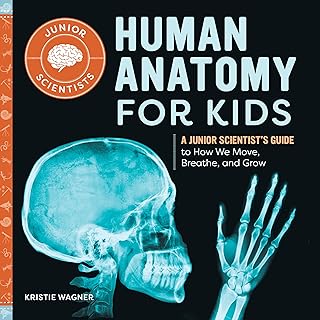
This guide presents basic anatomy through a kid-friendly, inquiry-based approach. Concepts such as movement, breathing, and growth are explained with clear diagrams and relatable examples. The content supports early science literacy while encouraging hands-on observation and questions.
Who Has What?: All About Girls’ Bodies and Boys’ Bodies
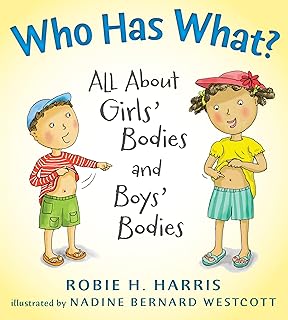
This book introduces body diversity and basic anatomy with inclusive language for young children. It answers common questions about differences in bodies in a respectful, age-appropriate manner, helping toddlers develop healthy curiosity without stigma. The illustrations accompany concise explanations for easy comprehension.
Buying Guide
Key purchase considerations for toddler anatomy books:
- Age appropriateness: Look for simple language, short sentences, and large, high-contrast illustrations that hold a toddler’s attention.
- Interactivity: Flaps, pull-tabs, or textures can boost engagement and aid memory through sensory learning.
- Durability: Board book formats or sturdy pages withstand daily handling by little readers.
- Vocabulary alignment: Choose titles that introduce body parts and systems with clear, correct terms appropriate for early learners.
- Safety: Ensure pages are rounded-corner and non-toxic materials suitable for preschool environments and home use.
- Inclusivity: Books that normalize diverse body types and avoid stereotypes help foster inclusive attitudes early on.
- Illustration quality: Bright, friendly artwork supports visual learning and keeps children engaged.
In selecting the best option, consider how each book aligns with your child’s interests—whether they prefer interactive flaps, straightforward explanations, or story-based learning. For parents building a small, reliable library, combining a flap book with a narrative-style guide can provide both hands-on exploration and storytelling context. When possible, preview pages or sample spreads to gauge readability and tone before purchase.