Dive into the fiery world of Dante’s Inferno with carefully chosen editions that pair faithful translation work, helpful introductions, and striking visuals. This guide highlights five standout books that are widely recommended for readers seeking historical context, poetic beauty, and accessible interpretation. Each entry includes a brief overview of the edition, what makes it unique, and what kind of reader it best serves. Whether you’re studying for class, revisiting a classic, or exploring illustrated editions, these selections cover a range of approaches to Dante’s epic journey.
Summary of selected products
| Product | Edition Type | Translator/Editor | Notable Feature |
|---|---|---|---|
| The Divine Comedy (The Inferno, The Purgatorio, and The Paradiso) | Complete Three-Books | John Ciardi (Translator) | Accessible language with commentary by a popular poet-translator |
| Dante’s Inferno | Single-Book Edition | Henry Francis Cary (Translator) | Classic 19th-century translation with literary footnotes |
| Inferno (The Divine Comedy) | Illustrated Edition | Anthony Esolen (Translator); Gustave Doré (Illustrator) | Rich illustrations accompanying the text |
| Inferno (The Gothic Chronicles Collection): Canticle I, The Divine Comedy | Gothic Chronicle Edition | Henry Longfellow (Translator) | Historical translation with classic 19th-century sensibility |
| Inferno (The Divine Comedy) | Modern Translation | J. Simon Harris (Translator) | Contemporary language with clear prose |
Below you’ll find five detailed sections for each book, including a focused overview, what readers typically value, and how each edition might suit your needs depending on your goals and preferences.
The Divine Comedy In A Complete Three-Book Edition

This complete edition gathers Dante’s Inferno, Purgatorio, and Paradiso into a single volume, making it ideal for readers who want a cohesive journey through the entire epic. John Ciardi’s translation is widely praised for its balance of fidelity and readability, preserving the poem’s formal energy while modernizing some phrasing for contemporary readers. Ciardi’s introduction offers helpful context, and notes throughout the text illuminate obscure passages, cultural references, and historical structure. This edition is particularly suitable for students and general readers who prefer a narrative flow without sacrificing scholarly insight.
Dante’s Inferno Classic Translation

This edition presents Dante’s Inferno as a standalone text with Henry Francis Cary’s translation, a venerable rendition that shaped early English-speaking engagement with the poem. Cary’s prose captures the poem’s drama and moral intensity, while notes and scholarly apparatus offer historical context for the infernal landscapes, names, and theological ideas Dante encounters. Readers who appreciate a more classical literary voice, and collectors seeking an enduring translation, may prefer this version for its historical resonance and literary cadence.
Inferno In A Richly Illustrated Edition

This edition emphasizes visual storytelling through Gustave Doré’s iconic engravings, paired with Anthony Esolen’s translation. The illustrations deepen the experience of Dante’s circles of hell, offering a visual map of the epic’s moral geography. Esolen’s translation balances fidelity with modern readability, making this edition a strong choice for readers who value art that enhances comprehension, as well as for classroom use where imagery can anchor discussion and analysis of Dante’s motifs and architecture of hell.
Inferno From The Gothic Chronicles Collection
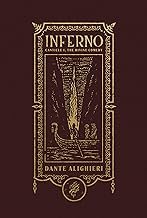
This Gothic Chronicles edition presents Dante’s Inferno with Henry Longfellow as translator, reviving a classic 19th-century approach that highlights the literary elegance of the original Italian text. The translation is paired with a tradition-minded sensibility, retaining the poem’s formal cadence and rhymed structures where applicable. This edition appeals to readers who enjoy historical translations and a more literary, less contemporary tone, along with introductions or notes that place Inferno within the broader medieval and Romantic reception of Dante’s work.
Inferno In A Modern Translation

This edition is distinguished by a contemporary English translation that emphasizes clarity and accessibility without losing Dante’s poetic force. Readers who prefer straightforward prose and quick readability will find this edition helpful for study or casual exploration, especially when paired with study aids or companion materials. The translator’s approach aims to make intricate theological and philosophical references easier to grasp for modern readers and students new to Dante’s language.
Buying Guide: Key Considerations For Choosing A Dante’s Inferno Edition
- Translation style: Decide between a more literal, older translation and a modern, accessible version. If you value poetic rhythm, look for translations that preserve meter or maintain Dante’s cadence; if you prioritize straightforward comprehension, a modern prose translation may be preferable.
- Completeness: Some editions present only Inferno, while others cover the entire Divine Comedy. If your goal is a full journey through Dante’s afterlife, a complete three-book edition is ideal; for focused study of Inferno alone, a single-volume edition may suffice.
- Illustrations and design: Illustrated editions can enhance engagement, especially for visual learners or classroom use. Consider the quality and style of artwork (e.g., Gustave Doré illustrations) and how they align with your interpretive goals.
- Commentary and notes: Check whether the edition includes introductions, footnotes, glossaries, and maps. Scholarly notes help situate the work historically and philosophically, while user-friendly notes aid casual readers.
- Audience alignment: For students, teacher-endorsed editions with study aids can streamline assignments. For collectors, first or classic translations may hold historical value. For general readers, accessible modern translations often reduce friction.
- Physical format and durability: Consider the binding, paper quality, and font size, especially if the book will be used frequently in study sessions or classrooms.
- Price and availability: While prices are not listed here, compare editions across retailers for value, including edition notes, pagination, and included supplementary material.
When choosing a Dante’s Inferno edition, align the book’s strengths with your reading goals. For a seamless, all-in-one experience, a complete three-book edition with a reader-friendly translation is often ideal. If visual engagement matters, an illustrated edition can enrich understanding. For scholarly study, editions with robust introductions and notes provide essential context. The right choice depends on how you plan to engage with Dante’s Inferno: as literature, philosophy, or art.