The following books are widely recommended for adult sons seeking guidance after growing up with narcissistic mothers. Each title offers strategies for recognizing manipulation, setting boundaries, and reclaiming personal power. This guide highlights core themes, typical outcomes, and how each book can fit into a healing plan.
| Book | Author | Format | Key Focus |
|---|---|---|---|
| Adult Sons of Narcissistic Mothers | Jason Wayne | Paperback / Kindle | Breaking free from parental control |
| Narcissistic Mothers: How to Handle a Narcissistic Parent | Caroline Foster | Paperback | Recovery from CPTSD and reclaiming power |
| Narcissistic Mothers: How a Son Can Face the Narcissist Mother | Dr Maria Shahida Emma Daughters | Paperback | Healing from emotional abuse and building empathy |
| ADULT SONS OF NARCISSISTIC MOTHERS | ROSEMARY GRANT | Kindle Edition | Breaking free and reclaiming life |
| Strong Mothers, Strong Sons | Meg Meeker | Paperback | Foundations for raising healthy men |
Adult Sons of Narcissistic Mothers

Author: Jason Wayne
Overview: This title focuses on breaking free from toxic parental control and reclaiming personal power after a childhood marked by emotional manipulation. It emphasizes practical steps for establishing boundaries, recognizing patterns of control, and developing a healthier self-identity as an adult son.
Key concepts: boundary setting, coping strategies for manipulation, reclaiming autonomy, constructing a new narrative. The book’s approach combines reflective exercises with realistic scenarios to help readers translate insight into action.
Narcissistic Mothers: How to Handle a Narcissistic Parent

Author: Caroline Foster
Overview: This guide addresses CPTSD in adult children of narcissists and provides strategies for recovery. It discusses recognizing gaslighting, managing triggers, and building a safer emotional environment while fostering resilience.
Key concepts: CPTSD recovery, safety planning, cognitive reframing, self-care routines. The text also offers practice exercises to help readers recalibrate relationships and reduce reliance on unhealthy approval.
Narcissistic Mothers: How a Son Can Face the Narcissist Mother

Author: Dr Maria Shahida Emma Daughters
Overview: This book offers a healing pathway for sons confronting narcissistic mothers and emotionally immature parents. It emphasizes emotional intelligence development, empathetic communication, and sustainable boundaries to reduce ongoing harm.
Key concepts: healing from emotional abuse, empathy development, boundary reinforcement, healthy communication skills. The guidance blends theoretical insight with actionable steps for daily life and long-term well-being.
ADULT SONS OF NARCISSISTIC MOTHERS

Author: Rosemary Grant
Overview: This Kindle edition focuses on breaking free from controlling parental dynamics and reclaiming personal life. It provides strategies for self-discovery, boundary setting, and practical steps toward independence.
Key concepts: independence, self-discovery exercises, boundary enforcement, reclaiming identity after manipulation. The format supports quick reading and ongoing reference for difficult family interactions.
Strong Mothers, Strong Sons
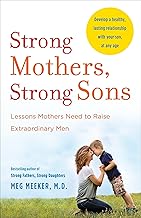
Author: Meg Meeker
Overview: This book explores parenting principles that help mothers raise strong, emotionally healthy sons. While not exclusively about narcissistic parenting, it offers insights into creating supportive family dynamics and fostering resilience in sons who seek to understand male emotional development.
Key concepts: healthy masculine development, parent-child relationship dynamics, emotional literacy, guidance for families under stress. The work provides a broader framework for strengthening family bonds and personal growth.
Buying Guide
When selecting a book for healing from narcissistic family dynamics, consider these factors:
- Purpose: Determine whether you seek boundary strategies, trauma recovery, or personal growth as a foundation for rebuilding your life.
- Perspective: Some titles center on CPTSD and trauma recovery; others focus on empowerment, self-advocacy, or parenting perspectives for future generations.
- Readability: Consider your preferred format and reading pace. Kindle editions can be quicker to access, while paperback versions may be easier for note-taking.
- Practical exercises: Books with actionable steps, worksheets, or reflection prompts can help translate insight into daily change.
- Supportive resources: Look for titles that reference additional resources, such as therapy approaches (CBT, DBT), support groups, or guided journaling.
How to use these books effectively
Integrate key ideas gradually. Start with boundary-setting guidance, then move to trauma recovery strategies, and finally apply long-term personal-growth plans. Pair reading with journaling or therapy to deepen progress and maintain accountability.
Comparative considerations
For readers seeking CPTSD-focused recovery, prioritize titles explicitly addressing post-traumatic stress and emotional regulation. If the goal is immediate boundary establishment and autonomy, start with books that emphasize practical steps and real-world scenarios. Finally, for long-term family dynamics and parenting insights, Meg Meeker’s approach may offer broader context for healthy relationships.