For numismatic enthusiasts, a reliable reference is essential. This article highlights five authoritative books that cover rare coins, error coins, and price guides, helping collectors identify, authenticate, and evaluate coins with confidence. Each entry includes key takeaways, what makes it a valuable resource, and how it complements other guides in a collector’s library.
| Book | Author/Editor | Focus | Why It Matters |
|---|---|---|---|
| The 2026 Red Book: A Guide Book of United States Coins | Jeff Garrett et al. | Definitive grade-by-grade U.S. coin catalog and retail prices | Trusted benchmark for pricing and grading standards across U.S. coins |
| The Complete US Error Coin Guide | Samuel Archer | Strategies to identify, authenticate, and profit from mint errors | Practical steps to spot errors and avoid common mistakes |
| Strike It Rich with Pocket Change | Ken Potter and Brian Allen | Popular error coin guide with market insights | Engaging overview of error coins that can yield surprising value |
| The Coin Collecting Bible: 5 in 1 | Arthur K. Lindon | Comprehensive guide from beginner to advanced collectors | Broad coverage on buying, selling, and spotting rare coins |
| The Official “BlueBook” Handbook of United States Coins 2025 | R.S. Yeoman, Jeff Garrett | Official pricing and reference for U.S. coins | Authoritative price guide with in-depth coin coverage |
The 2026 Red Book: A Guide Book of United States Coins, 79th Edition
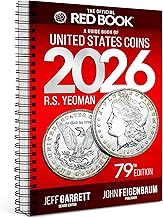
The 2026 Red Book presents a comprehensive, grade-by-grade overview of United States coins. Edited by Jeff Garrett with contributions from John Feigenbaum and R.S. Yeoman, this edition remains a cornerstone for serious collectors. It offers detailed price ranges, minting histories, and updated grading standards. The book is widely used by dealers and hobbyists seeking a trusted reference for retail values and compatibility with other catalogs.
Key strengths include its thorough population of coin types, clear grade descriptions, and practical guidance for evaluating coin condition. The Red Book integrates historical context with current market data, helping readers understand how factors like wear, strike quality, and preservation affect value. It’s especially useful when cataloging a collection or preparing coins for sale or insurance estimates.
The Complete US Error Coin Guide

Authored by Samuel Archer, this guide outlines a proven 10-step system to identify and authenticate rare mint errors. It emphasizes practical strategies to spot valuable varieties, avoid common mistakes, and stay updated with new discoveries. The approach balances theory with hands-on technique, making it accessible to both newcomers and seasoned collectors.
Readers will find structured checklists, high-quality images, and decision points that streamline the evaluation process. The book also addresses how errors can appear in various coin series, including planchets, strikes, and die varieties, which broadens a collector’s ability to build unique collections with significance.
Strike It Rich with Pocket Change

Strike It Rich with Pocket Change, by Ken Potter and Brian Allen, combines practical knowledge with market insight. It focuses on error coins that can yield significant returns, while presenting accessible explanations of coin fabrication and error types. The book aims to empower readers to recognize valuable varieties in everyday pocket change, turning casual observations into potential finds.
Key topics include common error patterns, grading considerations for errors, and the journey from discovery to sale. The authors’ approachable style helps readers understand why certain mint errors command premium prices and how to verify authenticity before investing.
The Coin Collecting Bible: 5 in 1

Arthur K. Lindon’s The Coin Collecting Bible consolidates five essential guides into one resource for beginners through advanced collectors. It covers buying and selling strategies, market analysis, and a robust cataloging framework. This book is designed to be a practical companion for building a well-rounded collection with a focus on long-term value and education rather than short-term trends.
The volume emphasizes diversification across coin types, careful assessment of condition, and knowledge-sharing strategies common among serious hobbyists. It’s a solid foundation for readers seeking a holistic view of the coin market and a reliable reference for transaction decisions and collecting goals.
The Official “BlueBook” Handbook of United States Coins 2025

The Official “BlueBook” Handbook is a go-to pricing guide for U.S. coins, authored by R.S. Yeoman and edited by Jeff Garrett. Known for its practical market data, the BlueBook presents current pricing references, historical context, and serialization across major coin series. This volume is particularly useful for dealers, auction participants, and serious collectors who require dependable price guidance and a concise, wallet-friendly reference.
Readers will appreciate the balanced presentation of data, including mint marks, year variations, and condition-sensitive values. The BlueBook complements other catalogs by providing accessible price anchors and quick lookup utilities for day-to-day consulting during purchases and sales.
Buying Guide
Key purchase considerations help readers select the best resources for their goals and budget. Consider the following perspectives when choosing a coin reference:
- Purpose: Are you cataloging a collection, identifying errors, or preparing coins for sale? Different guides emphasize grading, errors, or market pricing.
- Scope: Some books focus on U.S. coins, while others cover errors, buying strategies, or multi-volume references. Align scope with your collecting plan.
- Edition freshness: Newer editions incorporate updated pricing, trends, and discoveries. For long-term value, prioritize current editions or official updates.
- Accessibility: In-depth guides with step-by-step procedures help beginners, while advanced catalogs benefit experienced collectors seeking nuanced grading and varieties.
- Supplementary tools: Look for accompanying images, glossaries, and checklists. These aids improve scannability and reduce misidentification risk.
Comparative considerations:
- Pricing vs. rarity: Price guides provide a baseline, but market demand for specific varieties can deviate from listed values. Use multiple sources for triangulation.
- Grading frameworks: White-label grade scales vary slightly between guides. Cross-reference grades when evaluating a coin for purchase or sale.
- Error coin coverage: Guides focusing on mint errors often include practical tips for authentication, which can mitigate investment risk.
- User experience: A well-organized index, clear illustrations, and searchable layouts improve day-to-day usability during hunts and purchases.
Ultimately, combining a foundational guide (such as a general price book) with specialized manuals (error coins, polishing up on grading) gives collectors a well-rounded toolkit. Regularly updating reference material helps track market shifts and new discoveries in rare coin varieties.