Real estate investors rely on strong tax strategies to maximize returns and protect wealth. This article highlights five authoritative books that cover deductions, entity structures, estate planning, and landlord-specific tax savings. Each title offers practical guidance for both beginners and seasoned pros navigating the IRS code. Use these resources to inform decisions on structuring deals, reporting income, and planning for the long term.
| Product | Author(s) | Focus |
|---|---|---|
| The Book on Tax Strategies for the Savvy Real Estate Investor | Amanda Han; Matthew MacFarland | Deductions, investment planning, tax-smart strategies |
| The Book on Advanced Tax Strategies | Amanda Han; Matthew MacFarland | Advanced techniques, code-cracking methods for investors |
| Living Trusts + Wills, Retirement, Tax & Estate Planning | Garrett Monroe | Living trusts, probate avoidance, tax efficiency in estate planning |
| The Complete Landlord Tax Guide | Deborah Grantham | Landlord-specific deductions, depreciation, compliance |
| The Real Estate Investor’s Tax Strategy Guide | Tammy H Kraemer | Tax benefits, write-offs, wealth-building strategies |
The Book on Tax Strategies for the Savvy Real Estate Investor

The Book on Tax Strategies for the Savvy Real Estate Investor presents practical methods to legally maximize deductions and minimize tax obligations. Authored by Amanda Han and Matthew MacFarland, the book emphasizes strategies that align with common real estate scenarios, such as rental properties, limited liability entities, and 1031 exchanges. Readers will find checklists, real-world examples, and step-by-step guidance designed to translate tax theory into actionable plans. The material is suitable for both new investors and those seeking to optimize ongoing portfolios.
The Book on Advanced Tax Strategies

Advanced Tax Strategies builds on foundational tax concepts with a focus on sophisticated investors. Also authored by Amanda Han and Matthew MacFarland, this title dives into less common deductions, entity selection, and strategies that require careful timing and documentation. The guidance is framed to help investors optimize cash flow, minimize exposure to audit risk, and structure deals that leverage favorable tax treatment. It is particularly beneficial for those managing multiple properties or complex investment structures.
Living Trusts + Wills, Retirement, Tax & Estate Planning
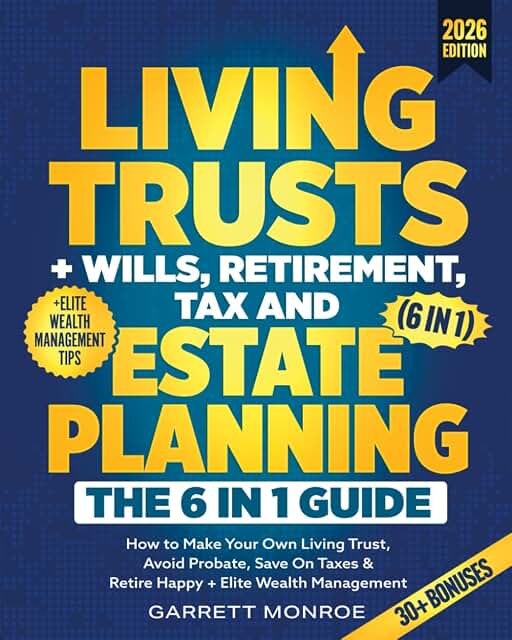
Garrett Monroe’s guide broadens focus beyond taxes to include comprehensive estate planning. The text discusses how living trusts and wills interact with retirement planning and tax efficiency. For real estate investors, the material can illuminate strategies to protect assets, reduce probate exposure, and streamline wealth transfer to heirs. The 6-in-1 approach provides a practical framework for aligning real estate investments with long-term wealth management goals.
The Complete Landlord Tax Guide

Deborah Grantham’s The Complete Landlord Tax Guide centers on the landlord experience in a changing tax landscape. It covers depreciation methods, expense categories, rental income reporting, and compliance considerations. The book aims to help landlords identify legitimate deductions while maintaining accurate records. It is a solid reference for keeping rental operations financially sound and tax-efficient, especially for those who own multiple units or cohorts of properties.
The Real Estate Investor’s Tax Strategy Guide

Tammy H Kraemer’s guide focuses on maximizing tax benefits and implementing money-saving strategies for real estate investors. The book emphasizes a disciplined approach to income recognition, expense tracking, and strategic write-offs. Readers can expect a practical blend of tax code interpretation, proactive planning, and error prevention to protect investments and grow wealth over time.
Buying Guide
Key purchase considerations for choosing real estate tax books include the following:
- Coverage scope: Decide whether you need foundational tax basics or advanced, investor-specific strategies.
- Entity and liability focus: Books that discuss entity selection (LLC, S corp, etc.) can help structure portfolios for tax efficiency and liability protection.
- Estate planning alignment: For investors looking to transfer wealth, guides that merge estate planning with tax strategy are valuable.
- Practical tools: Checklists, sample forms, and real-world scenarios enhance applicability and reduce implementation time.
- Regulatory currency: Tax laws change; prefer authors who provide updated editions or editions reflecting recent code changes.
Comparative Perspectives
Banding these books together provides a broad view of tax optimization for real estate. Foundational texts explain common deductions and scheduling, while advanced guides explore timing, entity structuring, and compliance risk. Estate planning resources connect real estate wealth to long-term financial security. Landlord-focused titles illuminate day-to-day tax matters tied to rental income. For most investors, a combination of a foundational guide plus one specialized title yields a balanced approach to tax strategy.
Practical Implementation Tips
To translate these resources into results, consider the following steps:
- Audit your current deductions: catalog all rental-related expenses and verify eligibility.
- Assess entity structure: review whether your portfolio benefits from a shift in entity designation or additional protections.
- Integrate estate planning: align property ownership with wills or trusts to streamline wealth transfer.
- Maintain records: implement consistent bookkeeping and documentation practices for all properties.
- Consult a tax professional: use the books as a framework and seek professional advice for complex scenarios.