The Day of the Dead is a rich fusion of Mexican tradition, storytelling, and visual culture. This guide highlights five accessible books that explore the celebration through history, art, bilingual text, and contemporary perspectives. Each title offers unique insights—from intimate families’ altars to expansive cultural histories—making them ideal for readers curious about calaveras,.Ofrendas, and the meaning of memory during Dia de los Muertos.
Summary Of Selected Titles
| Title | Author/Photographer | Format / Focus | Amazon Link |
|---|---|---|---|
| Mexico’s Day of the Dead: A Celebration of Life Through Stories and Photos | Luisa Navarro, Christine Chitnis | Story-driven photography book | Link |
| The Day of the Dead: A Celebration of Death and Life | Déborah Holtz, Juan Carlos Mena | Historical and cultural exploration | Link |
| The Day of the Dead / El Día de los Muertos: A Bilingual Celebration | Bob Barner | Bilingual picture book | Link |
| Day of the Dead: The History of a Celebration | Artes de Mexico magazine | Historical overview | Link |
| The Ofrenda That We Built | Jolene Gutiérrez, Shaian Gutiérrez, Gabby Zapata | Story and illustration collaboration | Link |
Mexico’s Day of the Dead: A Celebration of Life Through Stories and Photos

Luisa Navarro, author, and Christine Chitnis, photographer, present a visual and narrative tour of Dia de los Muertos traditions. The book blends intimate portraits with regional stories, showcasing altars, street processions, and household ofrendas that illustrate how families remember loved ones. The collaborative approach highlights personal voices alongside cultural rituals, making it useful for readers seeking both historical context and contemporary reflections. The pairing of writing and photography helps readers grasp the mood and symbolism central to Day of the Dead celebrations across Mexico.
Key themes include community memory, the symbolism of marigolds, sugar skulls, and the significance of welcoming the dead with music and storytelling. This title is well suited for classroom use, family reading, or anyone interested in ethnography and cultural photography that centers everyday people and their rituals.
Features to note: strong visual storytelling, regional variations, accessible language for general audiences, and a clear focus on the living connections that sustain the holiday.
The Day of the Dead: A Celebration of Death and Life
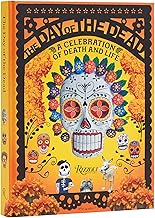
Déborah Holtz and Juan Carlos Mena explore the dual themes of mortality and vitality that infuse Dia de los Muertos. The authors examine how the living honor the dead through rituals, music, food, and communal storytelling. The narrative emphasizes the continuum between life and death, showing how the celebration creates a space for memory, resilience, and cultural continuity. This title is appropriate for readers seeking a concise yet thoughtful overview of the holiday’s symbolism and social functions.
Highlights include historical context about syncretism, the blending of Indigenous and Catholic traditions, and how modern celebrations adapt while preserving core meanings. The book presents clear explanations suitable for readers new to the topic or those forming curriculum materials or personal study plans.
Explicitly designed for broad audiences, the content avoids esoteric language, making it accessible to families, teachers, and curious readers who want a robust, readable introduction to Day of the Dead.
The Day of the Dead / El Día de los Muertos: A Bilingual Celebration

Bob Barner presents a charming bilingual exploration suitable for children and families. The book uses simple text in both English and Spanish to introduce symbols, customs, and everyday practices associated with Dia de los Muertos. By presenting concepts in dual languages, the title supports language learners and promotes cross-cultural understanding. The approachable format makes it a good teaching tool for early readers and parents seeking approachable overview material.
Readers will encounter explanations of sugar skulls, ofrendas, and the significance of family remembrance, all conveyed through concise prose and playful illustration. The bilingual approach helps bridge cultural gaps and encourages discussion about how traditions translate across languages and generations.
Considerations for buyers include the suitability for younger readers, the inclusion of culturally respectful imagery, and the balance between educational content and engaging visuals that sustain a child’s interest.
Day of the Dead: The History of a Celebration

Artes de Mexico magazine presents a historical panorama of Dia de los Muertos. This title collects insights from cultural historians and scholars, offering a Research-based perspective on how the holiday evolved from pre-Columbian roots through colonial influences to contemporary practices. The publication is a strong option for readers seeking a scholarly overview and documentary context that situates the festival within broader social and political histories.
The book covers themes such as regional variations, festival calendars, cemetery rites, and the role of contemporary media in shaping public perception. It provides a solid framework for coursework, museum studies, or personal study that aims to connect ritual practices with historical forces.
Prospective buyers should weigh the preference for academic tone against the desire for accessible writing. This title serves as a reference source and is particularly useful for researchers, educators, and readers who want in-depth context without a narrative focus on individual families.
The Ofrenda That We Built
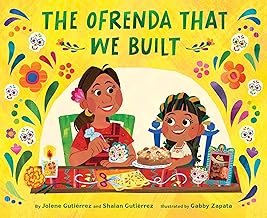
Jolene Gutiérrez, Shaian Gutiérrez, and Gabby Zapata collaborate on a title that centers a family’s orfena creation as a collaborative art form. The book blends narrative text with illustrations, emphasizing the communal act of building an ofrenda to honor ancestors. This approach highlights creativity, intergenerational participation, and the symbolic layering of objects that tell a family’s story.
Readers gain insight into the process of selecting meaningful items, arranging them with intention, and inviting reflection on loved ones past. The illustrative style complements the storytelling, making this title particularly appealing to young readers and families seeking a hands-on, participatory read about Day of the Dead traditions.
Considerations for purchase include the balance between text and imagery, as well as the potential for classroom use in crafts-based lessons or library story times that focus on cultural appreciation and memory.
Buying Guide: Key Purchase Considerations And Comparisons
Purpose and audience: Choose a book that matches your interest level and reader age. Picture books and bilingual editions are accessible for younger readers, while historical overviews suit educators and curious adults seeking context.
Scope and depth: If you want personal narratives and intimate cultural moments, prefer the title that emphasizes storytelling and photography. For historical overviews, look to works that map the festival’s evolution across time and regions.
Aesthetic and format: Consider photography quality, illustration style, and textual density. Books with rich images and clear captions often engage younger readers, whereas museum-like layouts support research and study.
Language and accessibility: Bilingual or dual-language formats can enhance language learning and cross-cultural understanding, especially for families and classrooms with mixed-language households.
Author credibility: Look for books by authors and editors with backgrounds in anthropology, history, or Mexican studies to ensure respectful, accurate treatment of traditions and symbols.
Use case: For classroom use, a title with ready-to-discuss themes and teacher notes can be valuable. For personal reading, narrative-driven books may offer a more intimate connection with Day of the Dead rituals.
Comparisons: If you want a broad historical arc, choose “Day of the Dead: The History of a Celebration.” If you prefer vivid, family-centered storytelling with art, select “The Ofrenda That We Built.” For bilingual accessibility, “The Day of the Dead / El Día de los Muertos: A Bilingual Celebration” is a practical option. Each title complements the others to form a well-rounded collection.