Exploring the enduring legacy of Aztec herbal knowledge involves tracing early codices, translated herbals, and modern compilations that reconnect readers with ancient healing traditions. This article highlights five carefully chosen books tied to the theme, offering historical context, practical herbal insights, and guidance for today’s readers. Each selection provides a window into native plants, traditional remedies, and the enduring value of ethnobotanical knowledge in contemporary wellness.
| Book Title | Author / Editor | Main Focus | Format |
|---|---|---|---|
| An Aztec Herbal: The Classic Codex Of 1552 | William Gates (Author) | Historical herbal catalog with Aztec plant lore | Paperback |
| Materia Medica Mexicana | Fernando Altamirano (Author) | Mexican medicinal herbs and uses | Paperback |
| Lost Native American Herbalist’s Secrets | Wilhelmina Amara (Author) | Over 150 herbs and DIY healing practices | Paperback |
| Herbs Of The Ancestors | Kwarakwante Publishing (Author) | Healing traditions rooted in land-based knowledge | Paperback / Kindle |
| Forgotten Home Apothecary | Dr. Nicole Apelian (Author) | Practical remedies for home use | Paperback |
The following sections present five relevant Amazon-available titles. Each entry includes a concise overview, notable features, and how the work contributes to understanding Aztec and indigenous herbal traditions in a modern context. The format emphasizes accessible information for readers researching ethnobotany, traditional medicine, and historical herbals.
An Aztec Herbal: The Classic Codex Of 1552

The book presents a historically significant compilation of Aztec plant knowledge, providing a window into pre-Columbian and early colonial herbal traditions. Readers gain insight into the terminology, descriptions, and potential medicinal applications recorded in the codex format. The work functions as a reference for historians, ethnobotanists, and herbal enthusiasts seeking to understand how Aztec practitioners categorized and used native flora.
Key features include annotated plant entries, cultural context, and comparisons to other colonial-era herbals. While the language reflects the historical period, modern readers can extract practical ideas about plant identification, preparation methods, and the role of herbs in daily life. The edition is well suited for academic study and personal enrichment for those exploring the roots of Mexican herbal heritage.
Materia Medica Mexicana

This manual catalogs Mexican medicinal herbs with practical notes on uses and preparation methods. The volume serves as a bridge between traditional plant lore and contemporary herbal practice, helping readers identify species, understand traditional dosage patterns, and appreciate regional botanical diversity. It offers concise entries that emphasize recognizable applications, from digestive aids to topical remedies.
For researchers and aspiring herbalists, the book provides a foundation for comparing indigenous medicinal concepts with other Latin American or global herbals. It also invites readers to consider ecological and cultural factors influencing herbal knowledge in Mexican communities, including sustainable harvesting and respect for traditional knowledge keepers.
Lost Native American Herbalist’s Secrets

Presented as an all-in-one guide, this title emphasizes more than 150 herbs and their transformative properties. Practical sections cover creating a healing garden, preparing remedies, and applying ancient methods to modern life. The work blends traditional knowledge with actionable steps, making it useful for home gardeners, caretakers, and wellness enthusiasts seeking hands-on herbal practice.
Readers will encounter a broad spectrum of plant species, with notes that tie species to historical contexts and contemporary use. The author highlights sustainable cultivation, ethical foraging, and the value of preserving indigenous knowledge as a living tradition rather than a static archive.
Herbs Of The Ancestors: Healing Traditions Of The Land

This title frames healing traditions as a land-based practice, incorporating ancestral knowledge with modern wellness concepts. It highlights how ecological stewardship and plant stewardship intersect with healing. The book is suitable for readers interested in ethnobotany, cultural history, and practical remedies that respect place-based wisdom.
Key topics include identifying local plants, traditional preparation methods, and the philosophy behind using herbs as part of a holistic lifestyle. While it leans toward a narrative of heritage, it also presents practical tips for cultivation, storage, and safe use of common medicinal plants.
Forgotten Home Apothecary
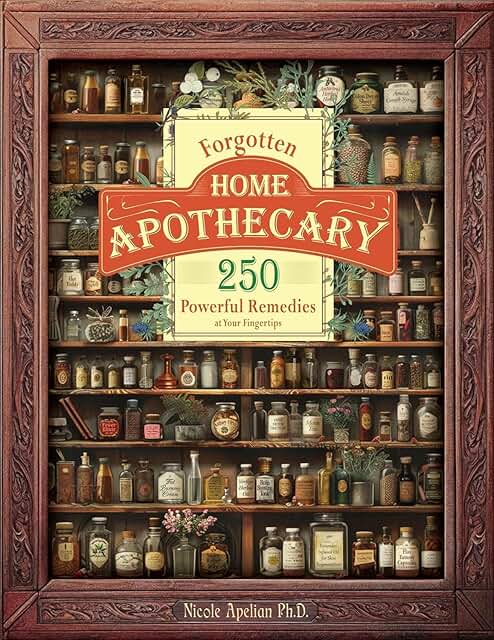
Forgotten Home Apothecary emphasizes practical remedies that readers can prepare and use at home. The emphasis is on accessibility, offering remedies drawn from historical practices that align with modern-day immune support, skincare, and general wellness. The author provides guidance on safe sourcing, simple formulations, and straightforward applications for everyday health.
The book’s approach is to demystify traditional knowledge and present it in a usable format. It appeals to readers who want to reconnect with natural healing through easy-to-follow recipes, clear instructions, and a focus on longevity and self-sufficiency in health care traditions.
Buying Guide: Key Purchase Considerations And Comparisons
- <strongHistorical context vs. practical use: Some titles emphasize archival knowledge and codices, while others prioritize ready-to-use remedies. Consider whether you seek scholarly context or actionable formulas.
- <strongGeographic focus: Publications vary in their regional emphasis—from Aztec codices to broader Mexican and North American herbal traditions. Choose based on your interest in a specific cultural lineage.
- <strongFormat and accessibility: Paperback and Kindle editions offer different reading experiences. If you prefer immersive annotation, look for editions with scholarly introductions and footnotes.
- <strongIllustrations and plant identification: Image quality and botanical illustrations aid recognition. Titles with clear photographs or diagrams support practical herb gathering and use.
- <strongSafety and modern applicability: Modern readers should assess dosage guidance, contraindications, and safety notes. Historical remedies may require adaptation for current health considerations.
- <strongSustainability and ethics: Consider authors who discuss sustainable harvesting, conservation, and respectful engagement with indigenous knowledge holders and communities.
- <strongTarget audience: Some works are academically oriented, while others are designed for gardeners and general readers. Align your selection with your goal—study or practical herbalism.
- <strongPrice and edition quality: While not included here, compare edition quality, scholarly apparatus, and print readability when evaluating options for long-term reference.
These considerations help readers weigh historical fidelity against practical usefulness. Each title contributes to a broader understanding of how Aztec and related indigenous herbal traditions informed health practices, plant knowledge, and cultural identity. Whether your aim is scholarly research, garden planning, or personal wellness exploration, these works collectively offer a spectrum of insights rooted in plant lore and real-world applications.