Introduction
Discover a carefully chosen set of children’s books that celebrate African American history, culture, and everyday experiences. These titles feature engaging stories, vibrant illustrations, and accessible language that resonates with young readers while providing valuable representation. The selections span picture books and early readers, offering themes of identity, courage, creativity, and community. Explore five accessible options that can be used at home or in classrooms to foster curiosity and empathy.
| Title | Author / Brand | Amazon Link |
|---|---|---|
| Our Beautiful Colors (Little Golden Book) | Nikki Shannon Smith (Author); Bea Jackson (Illustrator) | View |
| When God Made You | Matthew Paul Turner (Author); David Catrow (Illustrator) | View |
| I Love Being Me! (Step into Reading) | Mechal Renee Roe (Author) | View |
| Dream Big, Little One (Vashti Harrison’s Little Ones, 1) | Vashti Harrison (Author) | View |
| Black Heroes: A Black History Book for Kids | Arlisha Norwood PhD (Author) | View |
Our Beautiful Colors (Little Golden Book)

Our Beautiful Colors introduces children to a spectrum of skin tones and cultural backgrounds through gentle text and warm illustrations. The author, Nikki Shannon Smith, weaves inclusive narratives that celebrate individuality while highlighting shared experiences. Bea Jackson’s illustrations add soft, inviting visuals that children can connect with as they learn about color, community, and pride in who they are. This Little Golden Book is well suited for early readers and pre-readers alike, making color and identity approachable for young fans.
Key Points
- Picture-book format with engaging visuals for early readers
- Celebrates diversity and positive self-image
- Simple narrative suitable for sharing aloud
When God Made You
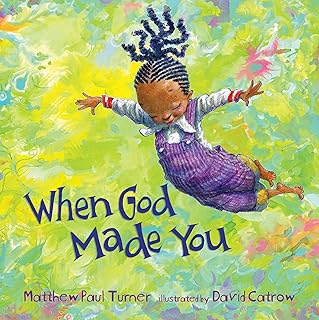
When God Made You offers a faith-informed celebration of individuality and purpose. Matthew Paul Turner emphasizes that every child is a unique and cherished creation, while David Catrow’s lively illustrations add warmth and humor. The book’s rhythm and cadence support early readers and listeners, making it a comforting choice for families seeking spiritual themes presented in a kid-friendly way. The narrative encourages children to recognize their own gifts and potential within a loving framework.
Key Points
- Age-appropriate devotional-style storytelling
- Encourages self-worth and purposeful living
- Bright, expressive illustrations
I Love Being Me! (Step into Reading)

I Love Being Me! is designed for emerging readers, featuring affirming messages about individuality and self-acceptance. Mechal Renee Roe’s writing blends confidence-building lines with rhythmic text that helps kids practice reading. The Step into Reading format supports independent reading while offering parents and teachers a straightforward path to discuss self-esteem, kindness, and friendship. The contemporary style and accessible language align well with kids discovering who they are.
Key Points
- Early reader friendly with supportive text
- Focus on self-expression and confidence
- Modern, approachable illustrations
Dream Big, Little One (Vashti Harrison’s Little Ones, 1)

Dream Big, Little One is a celebrated picture book that presents historical figures, contemporary leaders, and everyday heroes through a visually rich narrative. Vashti Harrison’s art style combines portraits with imaginative scenes, encouraging curiosity about achievements across generations. The book emphasizes possibility and perseverance, making it a compelling read for children exploring identity, role models, and the idea that dreams can grow with effort and imagination.
Key Points
- Inspirational profiles paired with vivid illustrations
- Encourages goal-setting and perseverance
- Great for read-aloud sessions and individual reading
Black Heroes: A Black History Book for Kids

Black Heroes introduces readers to 51 influential figures spanning ancient Africa to modern-day America. Arlisha Norwood PhD curates accessible profiles, short biographies, and contextual notes that help kids understand historical impact and contemporary contributions. The book blends educational content with engaging storytelling, making it suitable for classroom use and home libraries. The diverse lineup encourages curiosity about heritage, legacy, and civic leadership across generations.
Key Points
- Concise bios with era-spanning representation
- Balanced focus on historical and contemporary figures
- Supports curriculum-aligned learning about Black history
Buying Guide
Choosing the right African American books for kids involves balancing content, reading level, and representation. Consider the following factors to maximize value for home libraries or classroom collections:
- Age and reading level: Select titles that match the child’s current abilities and growth trajectory. Picture books work well for younger children, while early readers like “Step into Reading” support gradual independence.
- Representation and themes: Look for stories that reflect diverse experiences, cultures, and roles. A mix of identity, history, and everyday moments helps build a well-rounded view of the African American experience.
- Illustration style: Colorful, inviting illustrations attract attention and aid comprehension. Visual storytelling should complement the text and reinforce key ideas.
- Educational value: Books that offer historical context, cultural practices, or life lessons provide lasting learning opportunities beyond entertainment.
- Durability and format: Durable board or paperback formats are ideal for frequent handling by young readers. Consider formats that suit group reading or classroom activity.
- Series and author accessibility: Reputable authors and recurring series can help create a cohesive reading plan, making it easier to expand a child’s library over time.
- Family and community relevance: Titles that encourage discussion about family, community, and identity can foster dialogue and empathy at home.