Finding the right data book for precision rifle work helps shooters track dope, wind corrections, and target data across a range of conditions. The following five titles are among the most relevant for American long-range shooters, precision hunters, and tactical marksmen. Each offers field-tested templates, ballistic charts, and organized log pages to support consistent performance.
| Product | Brand | Primary Use |
|---|---|---|
| Precision Rifle Data Book: Shooter’s Journal | J.T. Stryker | DOPE logging, zero data, distance range cards |
| All Weather Proof DOPE Book for Rifle Shooting | PLUS | Weatherproof long-range data, wind, MOA/MRAD charts |
| Long Range Shooting Handbook: The Complete Beginner’s Guide to Precision Rifle Shooting | Ryan M Cleckner | Foundational concepts, beginner-to-intermediate guidance |
| Precision Rifle Data Book | Rick C | Core data book for dope and ballistic records |
| Long Range Shooting Data Book: Precision Rifle D.O.P.E. Log | Paper Logic | Dope log, ballistic target records for PRS/Tactical shooting |
Precision Rifle Data Book: Shooter’s Journal

The Precision Rifle Data Book from J.T. Stryker provides a compact 6×9 inch format with 110 pages of blank range templates and structured sections for recording target data, dope, and ballistic notes. Its portable size supports field use and quick data capture during hunts or matches. The layout aims to streamline wind calls, distance references, and zero data into a single, accessible log style. Ideal for shooters building a personal reference library for precise rifle work.
All Weather Proof DOPE Book for Rifle Shooting

This weatherproof dope logbook is designed for rugged field use. It is waterproof, tear-resistant, and coil-bound to endure long days at the range or in the field. The book includes 50 sheets for field and range notes, wind effect, distance conversions, MOA-MRAD charts, and estimation equations. It supports quick access to critical shooting data and is positioned as a dependable choice for all-season precision shooting.
Key features include record-keeping for wind, elevation, and distance, plus a structured format that helps shooters reference past data to improve long-range accuracy. The compact design makes it a practical companion for serious rifle enthusiasts and competitors who prioritize reliable data under diverse conditions.
Long Range Shooting Handbook: The Complete Beginner’s Guide to Precision Rifle Shooting
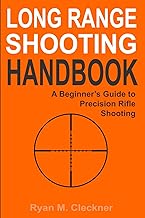
Written for beginners and progressing shooters, this handbook covers fundamental concepts of long-range shooting, rifle setup, ballistics basics, and practice strategies. It explains how to interpret data, apply dope, and plan successful range sessions. Readers can build a solid framework for precision rifle performance, with practical advice on equipment selection, safety, and scoring strategies used in matches and field shooting.
Precision Rifle Data Book

The Precision Rifle Data Book by Rick C focuses on consolidating essential dope and ballistic data into a user-friendly format. This title emphasizes record-keeping practices, ballistic targets, and performance notes that shooters can reference during practice, matches, or field operations. The book aims to help maintain consistency in data capture and interpretation, supporting more reliable shot execution across varying conditions.
Long Range Shooting Data Book: Precision Rifle D.O.P.E. Log

From Paper Logic, this data book centers on a DOPE log and ballistic target records designed for PRS, sniper, and tactical shooting. The structure supports maintaining wind, elevation, target distance, and shot results in an organized manner. It’s positioned as a practical resource for shooters who need a repeatable method to log performance and refine ballistic decisions over time.
Buying Guide: Key Purchase Considerations
Choosing a precision rifle data book involves balancing format, durability, and depth of data. Consider these aspects to match your shooting style and environment:
- Durability and weather resistance: If you shoot in all weather, weatherproof or tear-resistant options minimize data loss.
- Data density: Decide how many fields you need for wind, distance, elevation, and DOPE. Some books emphasize quick-reference charts, others encourage detailed logs.
- Field versus range use: Smaller, portable books suit field work; larger formats may offer more space for complex data when practicing at a range.
- Template structure: Look for consistent page layouts, with sections for wind, distance, and dope; templates should support quick data capture.
- Compatibility with practice goals: Beginners benefit from comprehensive guides, while experienced shooters may require advanced DOPE logging and ballistic charts.
- Author credibility: Titles by recognized instructors or seasoned marksmen tend to align with established best practices for ballistic data and range procedures.
In practice, the best choice depends on how you plan to log data, the environments you shoot in, and how you organize your dope. For frequent field use, a weatherproof option with straightforward wind and distance fields can streamline data capture. For beginners aiming to build a solid foundation, a handbook that explains core concepts alongside practical exercises is valuable. For competition shooters, a robust DOPE log with detailed ballistics charts and target records supports rapid decision-making under pressure.