Treasure Island has long stood as a touchstone of nautical adventure, seafaring lore, and the coming‑of‑age narrative. This article highlights five notable editions that bring Stevenson’s tale to life with varied introductions, illustrations, and design sensibilities. Whether you seek scholarly context, lush illustrations, or durable clothbound keepsakes, these selections offer distinct reading experiences for fans of classic literature and new readers alike.
Summary table of selected editions
| Edition | Key Features | Why Read It |
|---|---|---|
| Treasure Island (Signet Classics) | Introduction by Patrick Scott; Afterword by Sara Levine | Contextual essays enrich historical background and themes. |
| Treasure Island (Masterpiece Library Edition) | Author: Robert Louis Stevenson | Accessible text with curated critical materials. |
| Treasure Island: The Original 1883 Edition | Complete Illustrations by Louis Rhead | Historical edition with period art for immersive experience. |
| Treasure Island (Illustrated) 1883 Edition | Illustrations by N. C. Wyeth | Iconic imagery enhances storytelling and imagination. |
| Treasure Island (Penguin Clothbound Classics) | Introduction by John Seelye; Cover art by Coralie Bickford-Smith | Elegant clothbound edition with scholarly apparatus. |
Treasure Island (Signet Classics)

This Signet Classics edition presents Treasure Island with a scholarly introduction by Patrick Scott and an afterword by Sara Levine. The edition preserves the classic text while offering readers a concise critical framework that situates the voyage and its moral ambiguities within late-Victorian literature. The compact format makes it suitable for classroom use or personal reading on the go, and the approachable commentary helps readers interpret themes of leadership, loyalty, and mutiny.
Treasure Island (Masterpiece Library Edition)

The Masterpiece Library Edition of Treasure Island emphasizes accessibility and curated context. While the core narrative remains faithful to the original, this edition often includes author notes and curated critical commentary designed for readers seeking a clearer understanding of Stevenson’s creative choices, pacing, and character dynamics. The layout is reader‑friendly, making it a strong choice for both new readers and those revisiting the novel.
Treasure Island: The Original 1883 Edition With Complete Illustrations

This edition recreates the original 1883 publication with Louis Rhead’s complete illustrations. The archival artwork provides an authentic window into the publishing culture of the era, offering readers an aura of Victorian maritime storytelling as it was first presented. Illustrations can deepen engagement with plot turns and the portrayal of characters such as Long John Silver and Jim Hawkins.
Treasure Island (Illustrated): 1883 Classic Edition
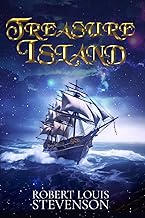
The illustrated 1883 edition features N. C. Wyeth’s classic imagery, bringing a nostalgic visual layer to Stevenson’s adventure. Wyeth’s artwork has shaped popular perceptions of the treasure hunt, treacherous seas, and the camaraderie and conflict among shipmates. This edition suits collectors and readers who relish illustrated classics as a multisensory experience.
Treasure Island (Penguin Clothbound Classics)

The Penguin Clothbound Classics edition stands out for its durable clothbound binding, elegant typography, and thoughtful introductions. Edited by John Seelye with cover art by Coralie Bickford-Smith, this edition appeals to readers who appreciate high‑quality production values and scholarly notes that illuminate historical context, narrative structure, and themes such as ambition, colonialism, and the ethics of leadership.
Buying Guide
Key considerations when choosing a Treasure Island edition:
- Edition purpose: For classroom use, editions with introductions and glossaries can aid discussion. For collectors, original or illustrated editions hold historical value.
- Illustrations: Artwork from Louis Rhead, N. C. Wyeth, or Coralie Bickford-Smith can significantly affect reading experience and appeal to visual readers.
- Format and durability: Clothbound or hardbound volumes are ideal for long-term keepsakes; paperback editions are lighter and more portable.
- Editorial apparatus: Introductions and afterwords vary in depth; consider whether you want scholarly analysis, accessible summaries, or critical essays.
- Text fidelity: Some editions reproduce the original 1883 text, while others offer modernized punctuation or annotation to aid contemporary readers.
- Verse of design: Cover art and typography influence shelf appeal and collectibility; choose a style that resonates with your preferences.
- Price and accessibility: Availability across retailers and libraries can influence selection; consider whether a digital edition complements a physical copy.
Comparative considerations:
- Original vs. modern editions: Original 1883 editions provide historical flavor through period illustrations and language, while modern editions offer contemporary editorial guidance.
- Illustrated editions: Visuals enrich scenes of the sea, treasure maps, and mutinous tension, potentially heightening engagement for younger readers.
- Scholarly apparatus: If readers seek critical context, select editions with introductions by literary scholars or editors who address Stevenson’s themes and historical context.
In selecting among these editions, readers should align their choice with reading goals—whether for academic study, casual reading, or dedicated collecting. Treasure Island remains a enduring gateway into nautical fiction, ethical ambiguity, and the human impulse toward discovery.