Choosing the right starter books helps new readers build confidence and fluency. The following selections cover early phonics, short- and long-vowel practice, and engaging stories that align with common first-grade reading goals. Each title is designed for guided or independent reading, with simple sentences, supportive illustrations, and accessible layouts.
| Product | Brand | Why It Helps First Readers |
|---|---|---|
| First Little Readers Parent Pack | Liza Charlesworth (Author), Deborah Schecter (Author) | 25 leveled books with guided reading support for early comprehension and fluency. |
| Pete the Cat 12-Book Phonics Fun! | James Dean (Author, Illustrator), Kimberly Dean (Author) | Box of mini-books emphasizing short and long vowels, phonics practice in a fun format. |
| My First Grade Reader | Mateo Sommer (Author), Little Big Page (Editor) | Short stories with read-along audio and comprehension questions for guided practice. |
| Bob Books – Set 1 | Bobby Lynn Maslen (Author), Amy Jindra (Illustrator), Karen Wall (Illustrator) | Starting-to-read phonics with simple decodable texts and clear progression. |
| The Fat Cat Sat on the Mat | Nurit Karlin (Author, Illustrator) | Level 1 easy reader with predictable text and supportive illustrations. |
Below are five strong picks, each with a quick look at why it suits early readers and how it supports foundational literacy skills.
First Little Readers Parent Pack: Guided Reading Level A

The First Little Readers pack assembles 25 beginner titles designed for guided reading sessions. The set targets Level A readers with consistent, simple sentence structures and corresponding illustrations that reinforce meaning. It’s ideal for teachers and parents guiding early fluency and for independent practice as children become more confident with basic sight words and decodable phonics patterns.
Pete the Cat 12-Book Phonics Fun!

This box set emphasizes phonics through 12 short, engaging mini-books. Focused on short and long vowel sounds, the series encourages repetition and pattern recognition in a playful context. The approachable format supports early decoding skills while maintaining kid-friendly humor and recognizable character humor to sustain motivation.
My First Grade Reader
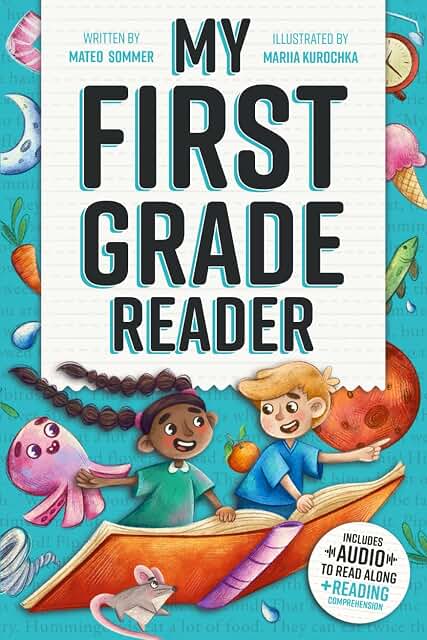
My First Grade Reader pairs captivating short stories with read-along audio and easy comprehension questions. This format supports listening, speaking, and reading alignment, helping learners connect text to meaning. The mix of engaging narratives and guided questions supports recall, inference, and vocabulary development while building independent reading stamina.
Bob Books – Set 1: Beginning Readers Box Set

Bob Books Set 1 introduces young readers to phonics with a sequence of decodable stories. Each book uses clear phoneme correspondences and repetitive patterns, which help children practice blending sounds and recognizing high-frequency words. The simple layout and concise sentences are designed to foster early independence in reading aloud and silent reading alike.
The Fat Cat Sat on the Mat (I Can Read Level 1)

The Fat Cat Sat on the Mat is a classic I Can Read Level 1 title designed for new readers. It uses a repetitive rhyming structure and a predictable rhythm to reinforce phonemic awareness and fluency. Rich illustrations support decoding strategies and help children confirm word meanings through context.
Buying Guide: Key Purchase Considerations For First Readers
Choosing the right books for first readers involves balancing phonics focus, text complexity, and engagement. Consider these perspectives to tailor selections to a child’s needs:
- Reading level and progression: Look for titles labeled at early levels (A–1) with gradual increases in sentence length and vocabulary.
- Phonics emphasis: Prioritize books that reinforce consonant-vowel patterns, digraphs, and common sight words to build decoding confidence.
- Format and layout: Favor books with larger print, ample white space, and engaging illustrations that strengthen comprehension without overwhelming the reader.
- Audio support: Read-along audio can aid pronunciation, prosody, and listening comprehension while supporting independent reading practice.
- Series familiarity: A connected set or series enables consistent practice with recurring characters and predictable structures, which boosts fluency.
- Durability and design: Consider sturdy formats or board-book style pages for younger or more energetic readers to reduce wear and tear.
- Content variety: Mix phonics-focused titles with simple stories to balance decoding practice with narrative comprehension and vocabulary growth.
- Engagement and accessibility: Choose topics that align with a child’s interests and include supportive visuals to aid meaning-making.
- Teacher and caregiver support: Books with guiding notes, questions, or prompts help adults maximize guided reading sessions at home or in class.
- Independent vs guided reading: Some titles shine in group guidance, while others are perfect for independent practice as confidence grows.
When assembling a starter collection, aim for a mix that covers phonics fundamentals, decodable texts, and short narratives. A balanced set helps builders of early literacy transition smoothly from sounding out words to reading with fluency and comprehension.