Navigating widowhood can feel overwhelming, and the right books offer clarity, solace, and practical guidance. This article highlights five trusted grief titles that address the unique needs of widows, from navigating daily routines to honoring a partner’s memory. Each selection is chosen for empathetic tone, evidence-based coping, and accessible language that resonates with American readers seeking support and understanding.
| Book Title | Author | Why It’s Helpful |
|---|---|---|
| A Widow’s Journey: Reflections on Walking Alone | Gayle Roper | Gentle reflections that validate the gradual path through grief and isolation. |
| It’s OK That You’re Not OK | Megan Devine | Honest exploration of grief in a world that often misunderstands loss. |
| Widow’s Might: 365 Days of Strength for Grief and Loss | Rachel Faulkner Brown | Daily moments of encouragement to sustain resilience and hope. |
| Dealing with Grief and How to Move Beyond It | Unknown author | Practical approaches to cope, cope-by-cope strategies, and progress milestones. |
| A Grief Observed | C.S. Lewis | Classic reflection on faith, doubt, and meaning in the face of loss. |
A Widow’s Journey: Reflections on Walking Alone
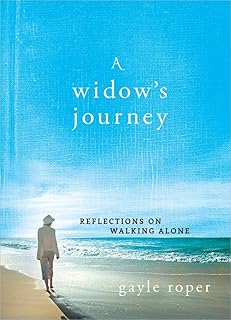
Authored by Gayle Roper, this title offers thoughtful meditations for widows facing solitary days and evolving routines. The book emphasizes personal growth while honoring the memory of a loved one. Readers may find avenues for gradual acceptance, self-care, and the redefinition of everyday life after loss. The approachable prose supports steady reflection without pressuring speed or outcomes.
It’s OK That You’re Not OK: Meeting Grief and Loss

Written by Megan Devine with foreword by Mark Nepo, this book confronts the reality that grief can be messy and non-linear. It offers validation for emotional responses and explains how communities and individuals can provide meaningful support. The narrative combines therapeutic insight with personal narratives, making it a practical resource for widows seeking validation and practical coping strategies during long-term grief.
Widow’s Might: 365 Days of Strength for Grief and Loss

Rachel Faulkner Brown provides a daily entry approach designed to offer steady encouragement. Each page presents a short, hopeful thought or exercise intended to sustain a widow through a year of grief. The format supports consistent engagement, helping readers cultivate resilience while honoring their personal pace of healing.
<a href="https://www.amazon.com/sspa/click?ie=UTF8&spc=MTo4MDI3NzIzOTAwOTQ0MzIwOjE3NzIxMjg1ODQ6c3Bfc2VhcmNoX3RoZW1hdGljOjMwMDk2MjE5NDk3OTEwMjo6MDo6&url=%2FDealing-Grief-How-Move-Beyond%2Fdp%2FB0FGY7132Y%2Fref%3Dsxin_17_pa_sp_search_thematic_sspa%3Fcontent-id%3Damzn1.sym.218067fd-b344-4093-ab6c-6f5555bf2ed6%253Aamzn1.sym.218067fd-b344-4093-ab6c-6f5555bf2ed6%26cv_ct_cx%3Dgrief%2Bbooks%2Bfor%2Bwidows%26keywords%3Dgrief%2Bbooks%2Bfor%2Bwidows%26pd_rd_i%3DB0FGY7132Y%26pd_rd_r%3Db24a8c54-c5bf-4b90-bf47-174fde531d09%26pd_rd_w%3DjXYjs%26pd_rd_wg%3DXTHu9%26pf_rd_p%3D218067fd-b344-4093-ab6c-6f5555bf2ed6%26pf_rd_r%3D4V9CEDKSVDF6W0WGY2TS%26qid%3D1772128584%26sbo%3DRZvfv%252F%252FHxDF%252BO5021pAnSA%253D%253D%26sr%3D1-1-82c53dfb-e7ac-41f3-9604-355dc7747827-spons%26aref%3DNYiNRGFNih%26sp_csd%3Dd2lkZ2V0TmFtZT1zcF9zZWFyY2hfdGhlbWF0aWM%26psc%3D1&aref=NYiNRGFNih?tag=pageprisma-20
Dealing with Grief and How to Move Beyond It presents a practical framework for staying functional while navigating loss. It emphasizes coping strategies, routines, and actionable steps to regain a sense of control. The content encourages readers to identify personal support networks and to adopt gradual, sustainable habits that support long-term healing. This resource is suitable for widows seeking clear guidance and steady progress without minimizing emotion.
<a href="https://www.amazon.com/sspa/click?ie=UTF8&spc=MTo4MDI3NzIzOTAwOTQ0MzIwOjE3NzIxMjg1ODQ6c3Bfc2VhcmNoX3RoZW1hdGljOjMwMDk2MjE5NDk3OTEwMjo6MDo6&url=%2FGrief-Observed-C-S-Lewis%2Fdp%2F0060652381%2Fref%3Dsxin_17_pa_sp_search_thematic_sspa%3Fcontent-id%3Damzn1.sym.218067fd-b344-4093-ab6c-6f5555bf2ed6%253Aamzn1.sym.218067fd-b344-4093-ab6c-6f5555bf2ed6%26cv_ct_cx%3Dgrief%2Bbooks%2Bfor%2Bwidows%26keywords%3Dgrief%2Bbooks%2Bfor%2Bwidows%26pd_rd_i%3D0060652381%26pd_rd_r%3Db24a8c54-c5bf-4b90-bf47-174fde531d09%26pd_rd_w%3DjXYjs%26pd_rd_wg%3DXTHu9%26pf_rd_p%3D218067fd-b344-4093-ab6c-6f5555bf2ed6%26pf_rd_r%3D4V9CEDKSVDF6W0WGY2TS%26qid%3D1772128584%26sbo%3DRZvfv%252F%252FHxDF%252BO5021pAnSA%253D%253D%26sr%3D1-2-82c53dfb-e7ac-41f3-9604-355dc7747827-spons%26aref=NYiNRGFNih?tag=pageprisma-20
A Grief Observed by C.S. Lewis is a classic exploration of personal belief, doubt, and meaning during a time of loss. The book engages readers in a stark, intimate dialogue about faith, sorrow, and the search for purpose after the death of a spouse. While it reflects deep spiritual questions, the prose remains accessible, making it a meaningful read for widows who want to grapple with existential questions as part of their healing journey.
Buying Guide: Key Purchase Considerations
- Tone and approach: Some titles are practical and action-oriented, while others offer spiritual or philosophical reflections. Choose based on what supports your current needs and mindset.
- Format and pacing: Daily or short-essay formats can provide steady engagement, whereas longer narratives may suit readers seeking immersion over time.
- Authorship and perspective: Look for authors who acknowledge widowhood’s varied experiences and avoid minimizing emotion or delaying grief processing.
- Relatability: Consider whether the book speaks to common widow experiences such as redefining routines, navigating social dynamics, or honoring a partner’s memory.
- Practical tools: Some books include exercises, journaling prompts, or coping strategies that readers can apply immediately.
- Accessibility: Language clarity and structure help ensure the material is approachable for a broad audience.
How To Use These Books In Daily Life
- Set a regular reading time, even if just 10–15 minutes, to create predictable moments of reflection.
- Combine reading with journaling to capture reactions, memories, and new coping strategies.
- Use the buying guide to identify which titles best complement support groups, therapy, or pastoral care.
- Share passages with trusted friends or family to foster understanding and reduce isolation.
- Pair readings with practical activities like creating a memory box or establishing a new routine that honors your late partner.