Finding kid-friendly coding books can spark curiosity and build a foundation in logic and creativity. The following five titles appeal to different ages and learning styles, from screen-free activities to visual Scratch projects. Each entry highlights core benefits and typical features to help caregivers choose the right fit for a child’s interests and skill level.
| Product | Brand / Author |
|---|---|
| Coding for Kids: Python: Learn to Code with 50 Awesome Games and Activities | Adrienne B. Tacke (Author) |
| The Big Coding and Logic Workbook for Kids: 222+ Fun and Engaging Screen-Free Coding Activities | WorldWise Kids (Author) |
| Coding Projects in Scratch: A Step-by-Step Visual Guide | Jon Woodcock (Author) |
| Coding Book for Kids ages 5-6-7: STEM Coding Activity Book | Julia Dream (Author) |
| The Ultimate Coding Handbook for Kids | Scott Broussard (Author) |
Coding for Kids: Python: Learn to Code with 50 Awesome Games and Activities

This Python-focused guide offers a hands-on approach for young learners to grasp basic programming concepts through interactive games and activities. Key features emphasize beginner-friendliness, clear explanations, and practical projects that translate into tangible outcomes for kids just starting their coding journey. The book blends bite-sized lessons with playful exercises to maintain engagement while building core skills in problem solving and logical thinking.
The Big Coding and Logic Workbook for Kids

The workbook emphasizes screen-free coding activities and logic puzzles suitable for ages 8–12. It supports independent study and guided learning, with a wide variety of puzzles designed to strengthen sequencing, pattern recognition, and algorithmic thinking. Practices encourage tactile, hands-on problem solving, making it ideal for families seeking unplugged activities or classroom-friendly exercises.
Coding Projects in Scratch: A Step-by-Step Visual Guide
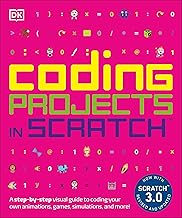
This visual guide walks kids through creating animations, games, and simulations using Scratch. Clear step-by-step instructions paired with colorful visuals help learners understand block-based coding concepts, project planning, and debugging. It’s well-suited for beginners who respond to hands-on, project-oriented learning and creative experimentation with digital media.
Coding Book for Kids Ages 5-6-7: STEM Coding Activity Book

Designed for early readers, this activity book combines simple coding concepts with STEM exploration. Activities often involve patterns, sequencing, and basic logic paired with hands-on tasks. The approachable format makes it suitable for parents and teachers seeking age-appropriate, screen-free coding activities that reinforce foundational skills.
The Ultimate Coding Handbook for Kids

This handbook takes a broad, foundational approach to coding concepts and practical projects. It aims to equip young readers with a global view of programming, problem-solving strategies, and real-world applications. It’s positioned to support steady progression from basic to more advanced topics as kids grow more confident in their skills.
Buying Guide
- Age and learning style: For younger kids, consider screen-free or highly visual guides; for beginners, Python or Scratch projects can be ideal entry points.
- Hands-on vs. viewing: Some books emphasize step-by-step projects, while others offer puzzles and activities that build logic and sequencing without a screen.
- Programming language focus: Python-based books introduce text coding and practical problem solving, whereas Scratch emphasizes block-based, drag-and-drop logic suitable for early learners.
- Project variety: Look for varied activities—games, animations, puzzles, and real-world projects—to sustain motivation and broaden understanding.
- Packaging and pacing: Short, modular lessons help maintain focus; longer guides are best for ongoing, structured learning with clear progression.
- Supporting resources: Some titles include online resources or companion sites; consider whether such extras enhance the learning experience.
- Parental involvement: For younger children, guides that suggest role-play, discussion prompts, or co-learning opportunities can be beneficial.
- Durability and format: Durable print or workbook formats with fold-out pages or wipe-clean surfaces can be advantageous for repeated use by kids.
- Comparison across titles: If choosing multiple, balance screen-free activities with interactive projects to cover a broad range of cognitive skills.
- Accessibility: Look for clear illustrations, large fonts, and simple language to support early readers and diverse learners.
These options collectively provide a spectrum of approaches to coding education for kids, from unplugged logic games to structured Scratch and Python experiences. Selecting a mix that aligns with a child’s interests—whether storytelling, game design, or problem solving—can foster ongoing curiosity and foundational programming competencies.