Explore the essential textbooks and guides that cover refrigeration and air conditioning theory, system design, diagnostics, and hands-on troubleshooting. This article highlights five highly regarded books for students, technicians, and professionals seeking depth, clear explanations, and practical references. Each entry includes a brief overview of notable topics and a direct link to the corresponding Amazon listing for quick comparison. Whether you’re updating a training library or studying for certification, these titles offer reputable content across fundamental and advanced refrigerant cycles, controls, and field diagnostics.
Selected products at a glance
| Product | Author/Editor | Format | Amazon Link |
|---|---|---|---|
| Modern Refrigeration and Air Conditioning | Althouse, Turnquist, Bracciano et al. | Textbook | https://www.amazon.com/dp/B0CL8R6Q51?tag=pageprisma-20 |
| Refrigeration & Air Conditioning Technology (MindTap Course List) | Textbook / Course List | https://www.amazon.com/dp/0357122275?tag=pageprisma-20 | |
| Refrigeration and Air Conditioning – Field Diagnostics and System Understanding | Mohamed Asif | Guide | https://www.amazon.com/dp/B0GJ68BCWF |
| Refrigeration & Air Conditioning Technology | Silberstein, Obrzut, Tomczyk, Whitman, Johnson | Textbook | https://www.amazon.com/dp/0357933990?tag=pageprisma-20 |
| Modern Refrigeration and Air Conditioning | Mark W. Kohnen | Textbook | https://www.amazon.com/dp/B0CLG5YJ9G?tag=pageprisma-20 |
Modern Refrigeration And Air Conditioning

Authors Althouse, Turnquist, Bracciano, Bracciano, and colleagues compile a comprehensive text on modern refrigeration and air conditioning theory and practice. The book covers fundamentals of thermodynamics, refrigerant cycles, system components, controls, and service procedures, with emphasis on design considerations and real-world application. It is widely used in trade schools and technical programs, providing diagrams, calculations, and troubleshooting approaches that align with field operations.
Refrigeration & Air Conditioning Technology (MindTap Course List)
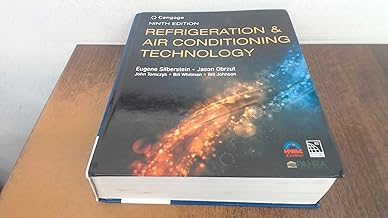
Edited by Silberstein, Obrzut, Tomczyk, Whitman, and Johnson, this title is closely tied to MindTap course materials. It emphasizes current industry standards, service practices, and exam readiness for HVAC technicians. The content blends theoretical explanations with practical, step-by-step procedures, aiding learners who benefit from structured coursework and integrated digital resources.
Refrigeration and Air Conditioning – Field Diagnostics and System Understanding

Mohamed Asif offers a technician-first guide focusing on refrigeration cycles, charging methods, controls, and real-world troubleshooting. This reference emphasizes field diagnostics, diagnostic workflows, and practical problem-solving strategies to diagnose and repair common issues in residential, commercial, and industrial systems. Clear illustrations and methodical steps support hands-on learning and quick decision-making on site.
Refrigeration & Air Conditioning Technology

Silberstein, Obrzut, Tomczyk, Whitman, and Johnson curate a thorough exploration of refrigeration and air conditioning technology. Topics span fundamental thermodynamics, system components, controls, electrical systems, and troubleshooting. The book supports both classroom learning and on-the-job reference, with practical problems and real-world examples that mirror current industry practices.
Modern Refrigeration And Air Conditioning

Authored by Mark W. Kohnen, this edition presents a modern approach to refrigeration and air conditioning topics, including updated regulatory considerations, energy efficiency practices, and diagnostics. It is suitable for students and professionals seeking a practical, application-focused resource that aligns with current codes and standards, while offering consolidated explanations of complex concepts for clarity.
Buying Guide: Key Purchase Considerations
When selecting a refrigeration and air conditioning book, consider the following factors to match learning goals and professional needs:
- Audience and level: Choose introductory texts for beginners and advanced editions for seasoned technicians or engineers. Some titles are course-driven (MindTap), while others are field-oriented references.
- Scope and depth: Look for books covering fundamentals (thermodynamics, components, cycles) and practical troubleshooting. Field diagnostics guides are valuable for on-site problem solving.
- Content format: Textbooks with diagrams, step-by-step procedures, and real-world examples aid comprehension. Supplemental digital resources, like interactive labs or course lists, can enhance learning.
- Update cycle: Refrigeration technologies evolve with regulations and refrigerants. Consider newer editions or authors known for aligning with current codes and standards.
- Appendices and references: Helpful charts, thermodynamic tables, and glossary terms improve usability during hands-on work and study sessions.
- Region and codes alignment: If you work in specific jurisdictions (e.g., U.S. NEC and EPA guidelines), verify the book’s relevance to those standards.
- Format and durability: For classroom libraries or field use, select sturdy bindings and clear graphics. Image-heavy pages support quick visual reference on the job.
Consider pairing a solid core textbook with a field-focused guide for a balanced library. Cross-referencing topics such as refrigerants, charging methods, and controls across titles helps reinforce understanding and supports diverse learning styles. For study or certification preparation, MindTap-linked resources can complement traditional chapters with interactive practice.